Virtual Expo /
Website WORKS
Close

Close
Close
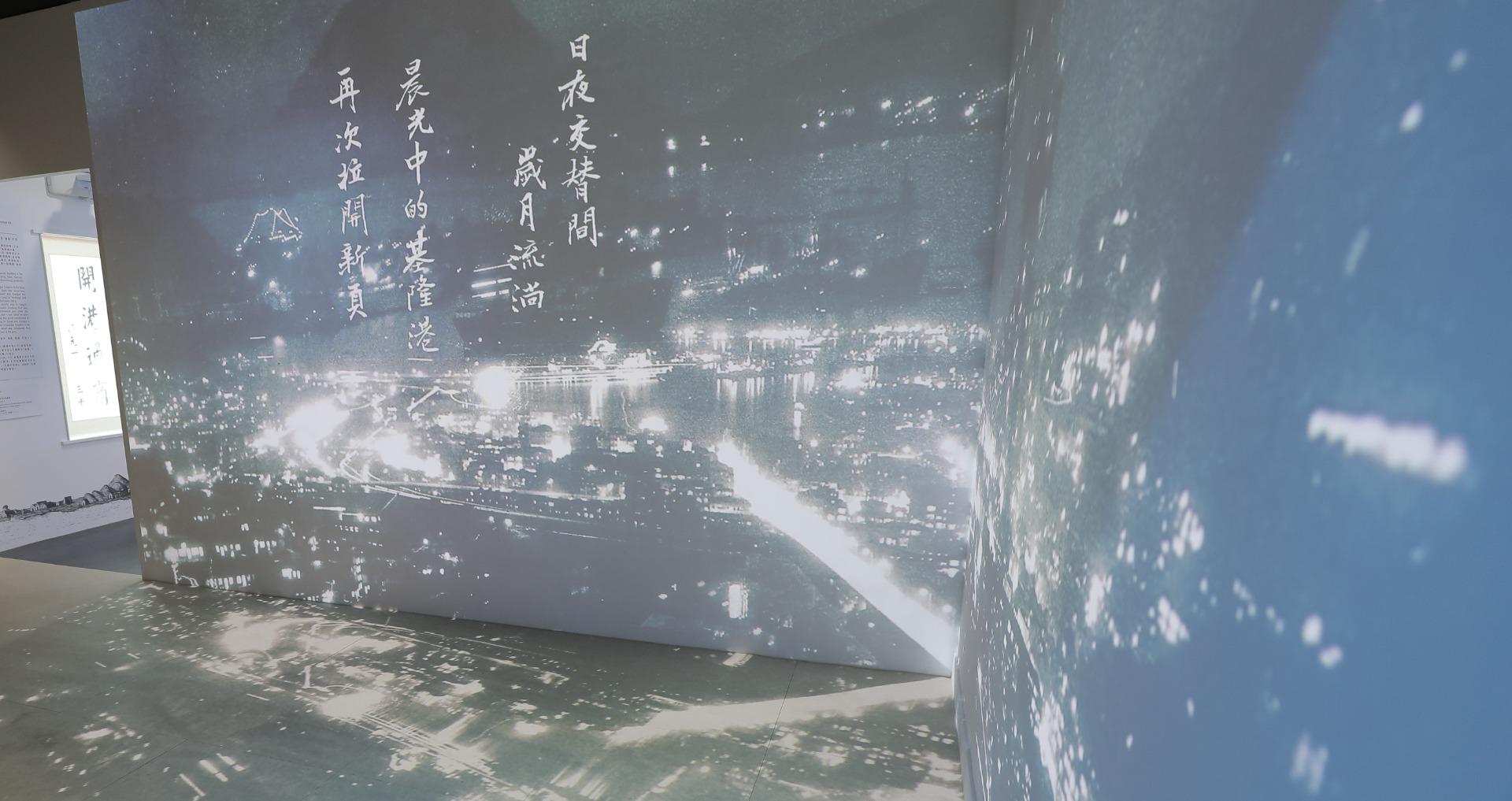


During the lively summer vacation, various exciting exhibitions are in full swing. Weekends are especially crowded, with long lines forming at events, particularly those aimed at families. Parents eagerly bring their children to exhibitions that combine education with entertainment. For adults, immersive exhibitions emphasize artistic and visual impact. From art and culture exhibitions to science fairs, projection mapping is everywhere, creating immersive experiences and fulfilling people's desire for interaction with the exhibits.

The most influential and enduring brands are those that resonate deeply with consumers. Recently, Apple's Vision Pro smart glasses have captured the attention of tech enthusiasts, with engineers even wearing them to their weddings in California. Apple's devoted fanbase adores every product, thanks to the brand's profound marketing that connects the iPhone seamlessly with users' lives. In the fashion world, UNIQLO stands out for its ability to turn customers into fans. From collaborations with Kaws to JW Anderson, and now with renowned fashion designer Clare Waight Keller, are you a fan or just a customer?

Digital art, in contemporary art, is like a newborn, yet it possesses a captivating magic that draws people in. When digital exhibitions meet experiential marketing, and when technology itself becomes art, it embodies the idea that Steve Jobs dedicated his life to: "Technology should bring change to humanity." Augmented Reality (AR) extends reality naturally into the realm of imagination, making it even more appealing and enticing, encouraging diverse generations to step into museums. Let's explore how art exhibitions utilize new digital interactive media to spread their influence, becoming a spiritual feast for communities of all generations, both online and offline.

Jürgen Habermas, one of the most significant contemporary philosophers in Germany, defines "public space" as follows: "Citizens can freely enter their squares to practice their ordinary public life." As time evolves, the concept of public space has made its way into the 21st century, coexisting with people in diverse forms. Public space design has the potential to be both poetic and creative, just like the seaside public spaces, which remain artistically intriguing.
"Energy Taiwan" is the largest renewable energy industry exhibition in Taiwan, focusing on a number of energy industry supply chains. The exhibition scale increased by 40%, with a total of 1,000 booths on display, a record high! And in the exhibition marketing, how to achieve the best benefits? The combination of online and offline is undoubtedly the best solution. With OMO's marketing power, the participants' recognition and cooperation with the company can be enhanced.

With the advent of the digital age, enterprises have reversed their original marketing thinking and used new thinking to interactively design to break through the framework, so as to easily arouse the curiosity of customers and quickly attract customers!

The post-pandemic life is right at the corner, but with the rapid change during last two years, are you still sure that offline exhibitions and events are still the best way to market? Is there another brand-new marketing method for this period of time? The answer is -- "Content Curation"! No matter for online or offline events, content curation is the most suitable solution for the brand! We can integrate interactive design in order to create a better user experience! As soon as the Metaverse news is released at the end of 2021, physical exhibitions have also been transformed into digital exhibitions, so what will be the countermeasures for digital curation and marketing? Let's keep reading!

Digital Interactive Art can be used not only in art exhibitions, but also in commercial exhibitions. It can not only give consumers a strong interactive experience, but also add another different aesthetic flavor to commercial exhibitions!

In fact, museum exhibitions can combine professional display design and interesting interactive design to accurately convey blunt knowledge to every visitor in a fun way, creating a more topical interactive experience, and deepening the value of the audience's exhibition experience.

With the advent of the high-tech era, interactive design technology has gradually been brought into commercial spaces and exhibition venues. However, the application of this technology is not only limited to commercial use, but can also be applied to art exhibitions, museums, libraries, and other arts or even cultural venues. Substantially enhance the value of the experiences that audiences get from the exhibitions.

With the fast growing of digital marketing, we have to re-think the strategy and turn the focus on customers not the production itself. In the article today, we are going to explore the latest customer-centered marketing tools, strategies, and more useful information that you won't want to miss! We will also take a look at two international brands as examples to see how they build brand loyalty with digital marketing strategy!
6 Different Types of Trade Show Booths You Need to Know
Brand Strategy
What is CIS? Corporate Identity Design that goes hand in hand with exhibition design
Tech Life & Trends
Introduction of 3D Logo
Exclusive Perspective
What is the definition of Experiential Marketing? From 5 perspectives, you will get it!
Tech Life & Trends
3D Logo - The Little Secret in Exhibition Design
Exclusive Perspective
What you need for Situational Design - 2.5 D
Exclusive Perspective
© King One Design, Inc.