







What is an AI Tour Guide? 2 Global Success Stories: See How AIaaS is Revolutionizing Smart Navigation Technology!
Catalog
- What is an AI Tour Guide? Breaking the Limits of Traditional Guidance!
- From Passive to Proactive: How AI Applications Elevate the Guided Experience
- Smart Navigation in Action: What International Case Studies Reveal About AI Success!
- Case Study 1: How Museful Leverages AIaaS to Create Personalized Smart Navigation for Museums
- Case Study 2: AIaaS as a "Data Strategic Partner" in B2B Trade Shows
- Implementing AIaaS: See How King One Design Brings Global Innovation to Local Projects!
- More Than Just Code: Crafting the "Career Navigator" with an Emotional Touch
- From Venue to Cloud: OMO Strategy Ensures the Exhibition Never Ends!
- From Guidance to Data: AIaaS as Your Holistic Exhibition Solution
- The Core of AIaaS: Defining the Next Frontier for Exhibition Technology!
- From CAPEX to OPEX: Unlocking a New Paradigm for Museum Transformation
- The Next Frontier: How AIaaS Drives "Data-Driven Curatorial Strategy"
When walking into a museum, an exhibition gallery, or a large-scale event, have you noticed that "tour guidance" has evolved far beyond the simplicity of a handheld audio device? In recent years, the rise of AI-powered tour guides has been quietly reshaping how we consume and interact with information.
These intelligent systems do more than just describe exhibits—they deliver a fluid, personalized experience by adapting content in real-time based on your specific interests, language, and movement. The driving force behind this revolution is the increasing maturity of AI applications and AIaaS (AI as a Service).
By leveraging cloud-based services, modern navigation systems have moved past the era of cumbersome hardware setups. AIaaS allows for rapid deployment and flexible content updates, seamlessly integrating smart guidance into everyday spaces.
For organizers, this represents a pivotal leap in Exhibition Technology (Exhibition Tech). It’s not just about enhancing the visitor journey; it’s a strategic move to gather actionable data and optimize operational decision-making. In the following sections, we will explore how AIaaS is redefining the guided experiences we thought we knew!
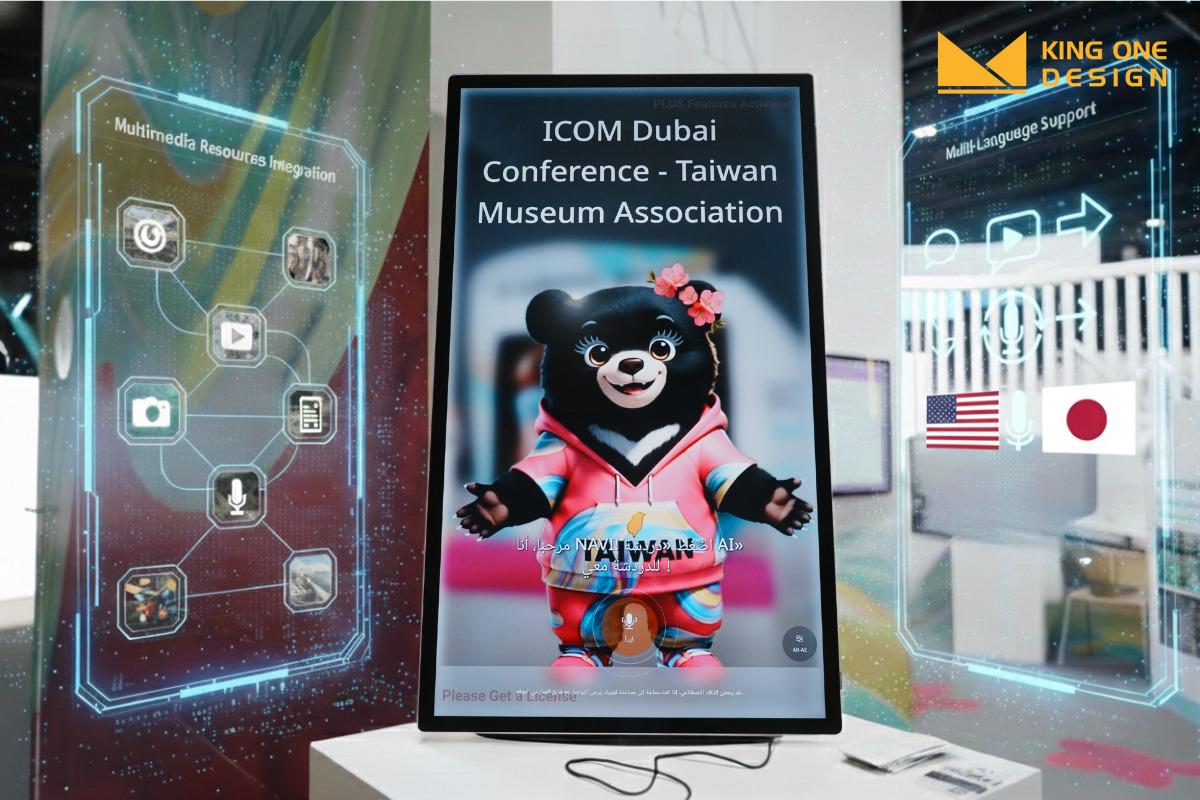
Image Source: King One Design
What is an AI Tour Guide? Breaking the Limits of Traditional Guidance!
While traditional human-led tours offer a warm and personal touch, they face inherent limitations that are difficult to overlook in a modern context. The primary challenges are scalability and language barriers: a single guide can only serve a small group at a time and often cannot cater to the full spectrum of linguistic needs. For international exhibition venues with diverse global audiences, these constraints pose a significant hurdle to providing a seamless experience.
This is precisely where AI Tour Guides excel. By supporting dozens of languages and integrating multimedia—including video, high-fidelity audio, and text—these systems ensure that visitors from all cultural backgrounds can engage deeply with the exhibits. No longer restricted by language barriers or human resource shortages, this technology is a cornerstone in achieving true Smart Navigation.
From Passive to Proactive: How AI Applications Elevate the Guided Experience
Beyond breakthroughs in language and scalability, AI tour guides address a frequently overlooked challenge: the passive nature of the visitor experience. Traditional human-led tours or button-operated audio guides rely on pre-recorded content, forcing visitors into a linear, "one-way" listening process. This lack of interactivity often leads to low engagement and a diminished sense of participation.
Consequently, the high-quality content that curation teams spend months developing is often forgotten shortly after the visit. In contrast, powered by AIaaS technology, AI tour guides can proactively push relevant information based on a visitor’s real-time location, personal preferences, or behavior. They can even facilitate interactive Q&A sessions, transforming a static tour into a dynamic, vivid, and highly memorable journey.
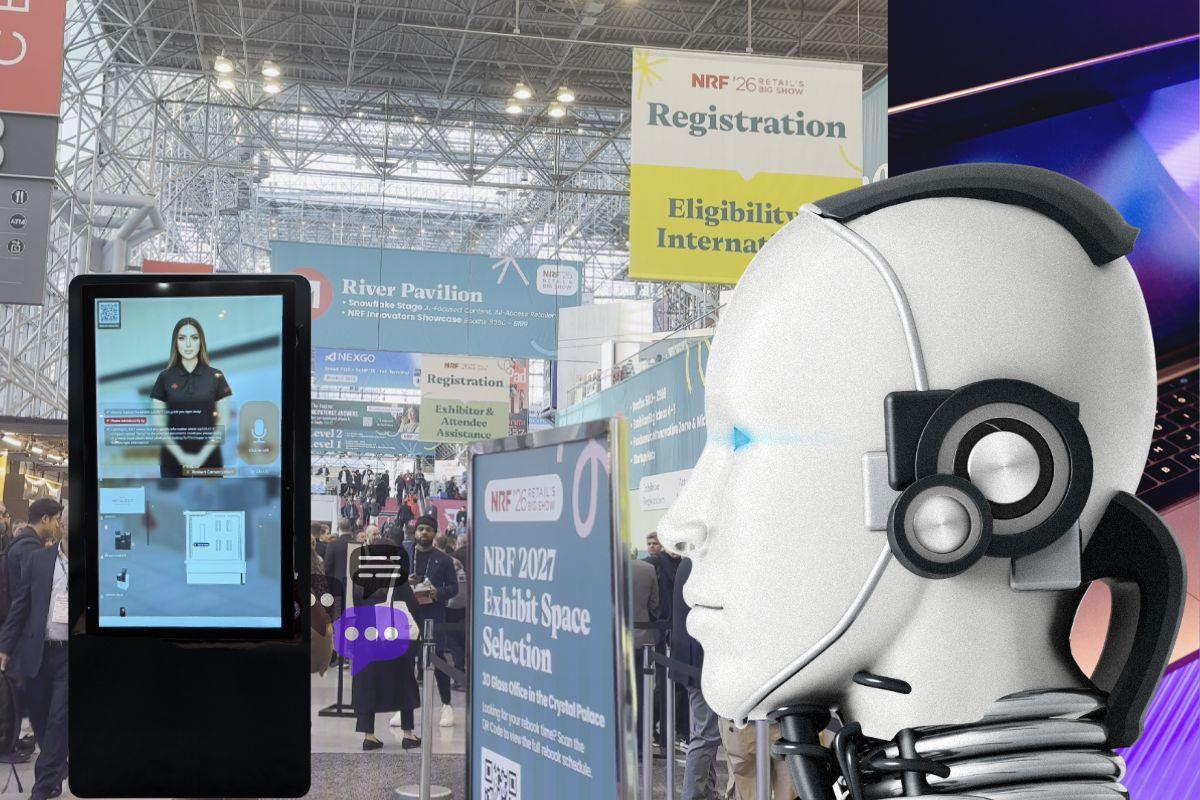
AI smart guide can proactively push relevant information based on visitors' locations, preferences, or behaviors, making the touring process more vivid and the memories more profound.
Image Source: King One Design
Smart Navigation in Action: What International Case Studies Reveal About AI Success!
As AI technology continues to evolve, an increasing number of global exhibitions and museums are adopting the AIaaS (AI as a Service) model. This shift ensures that AI tour guides are no longer merely "machines that talk," but have evolved into intelligent platforms capable of learning visitor behavior, providing proactive responses, and delivering invaluable operational analytics.
This wave of integration—combining advanced AI applications with cloud-based services—is extending beyond the optimization of B2C visitor experiences to fundamentally redefine B2B exhibition value. It has become a pivotal force in driving the digital transformation of exhibition technology, turning every event into a smarter, data-driven, and highly engaging environment.
Case Study 1: How Museful Leverages AIaaS to Create Personalized Smart Navigation for Museums
In B2C experience-oriented venues, AIaaS platforms like Museful are revolutionizing the museum experience. By simply uploading digital exhibit data to the cloud, the AI automatically analyzes and generates personalized navigation content. It intelligently adapts to each visitor’s language, interests, and movement patterns, turning the vision of "Smart Navigation" into a reality.
The core strength of Museful lies in its Museum Management Dashboard, which empowers curators with real-time oversight of the visitor journey through key metrics:
● Top Trending Inquiries: What are visitors asking? Do these questions reveal gaps in the current exhibit information?
● Highly Interactive Exhibits: Which pieces attract the most engagement and questions? Does this align with the original curatorial intent?
● Traffic Flow & Dwell Time: Are certain areas being overlooked? Where do visitors spend the most time?
Armed with these insights, curators can optimize guided content instantaneously. Through cloud-based updates, AI narratives can be refined as quickly as the next day—eliminating the need to wait for multi-year renovations or major seasonal overhauls. This perfectly demonstrates the "Real-time Feedback & Continuous Learning" advantage that defines modern AI applications.
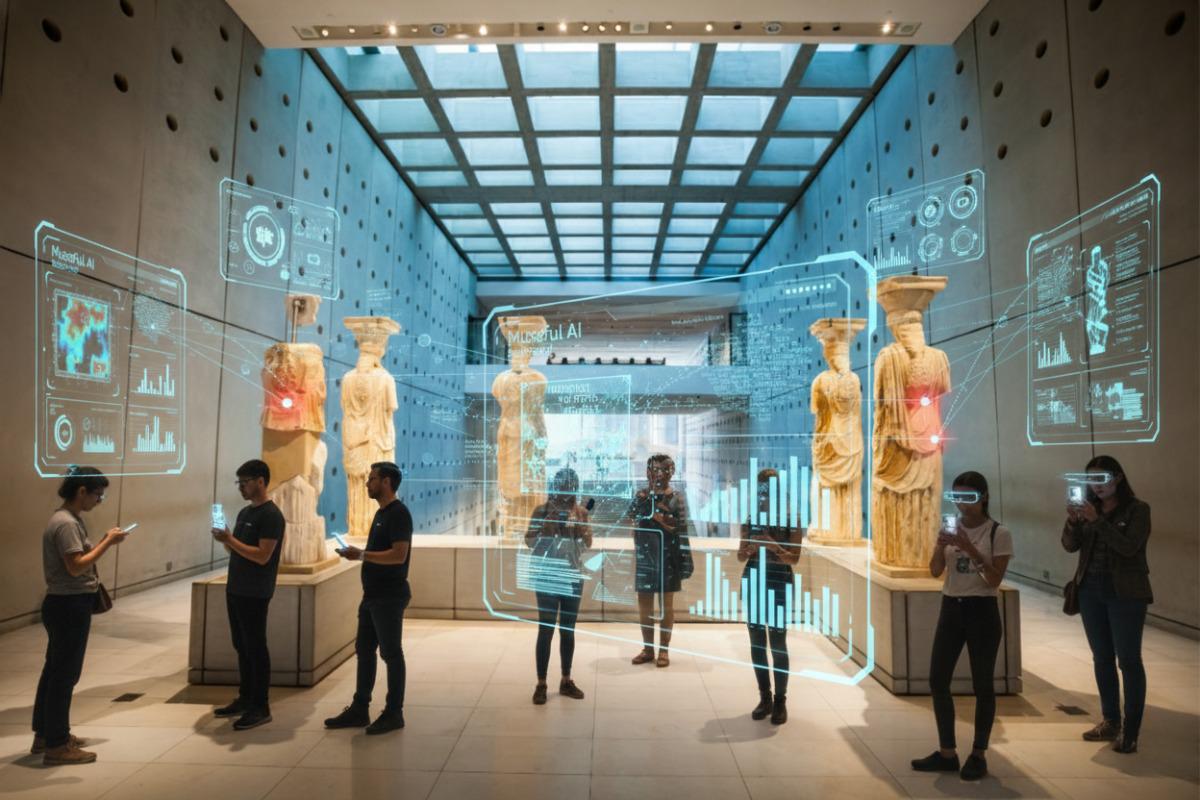
Image Source: King One Design
Case Study 2: AIaaS as a "Data Strategic Partner" in B2B Trade Shows
In the highly competitive world of B2B trade shows, the role of AIaaS shifts toward high-level ROI evaluation and data-driven insights. Industry leaders like V-Count, specializing in exhibition analytics, empower organizers with mission-critical intelligence, such as:
● Real-time Heatmaps: By tracking visitor density and heat zones, organizers can dynamically adjust premium booth pricing and floor plan configurations.
● Visitor Flow Metrics: Analyzing movement trajectories and dwell times allows for the continuous optimization of hall layouts and crowd management strategies.
Simultaneously, AIaaS platforms like Bear Analytics provide exhibitors with automated, bespoke Exhibitor ROI Reports, featuring:
● Target Audience Reach: Quantifying the actual engagement with high-value prospects.
● Engagement Depth: Measuring the frequency and quality of booth interactions.
● Projected Returns & Strategic Recommendations: Providing data-backed advice for future exhibition planning.
These advanced tools move exhibitors away from "intuition-based" decisions toward "data-proven outcomes." Furthermore, they enable organizers to evolve from mere "venue providers" into Strategic Business Partners who possess invaluable data assets. This transition represents a significant elevation in both the value of exhibition technology and the practical application of AI.
Implementing AIaaS: See How King One Design Brings Global Innovation to Local Projects!
You may have heard of international museums adopting AI tour guides, and you likely know that AIaaS is the defining force in the future of exhibition technology. But how is this truly being implemented in Taiwan? How do we seamlessly integrate B2C interactive guidance with B2B data applications?
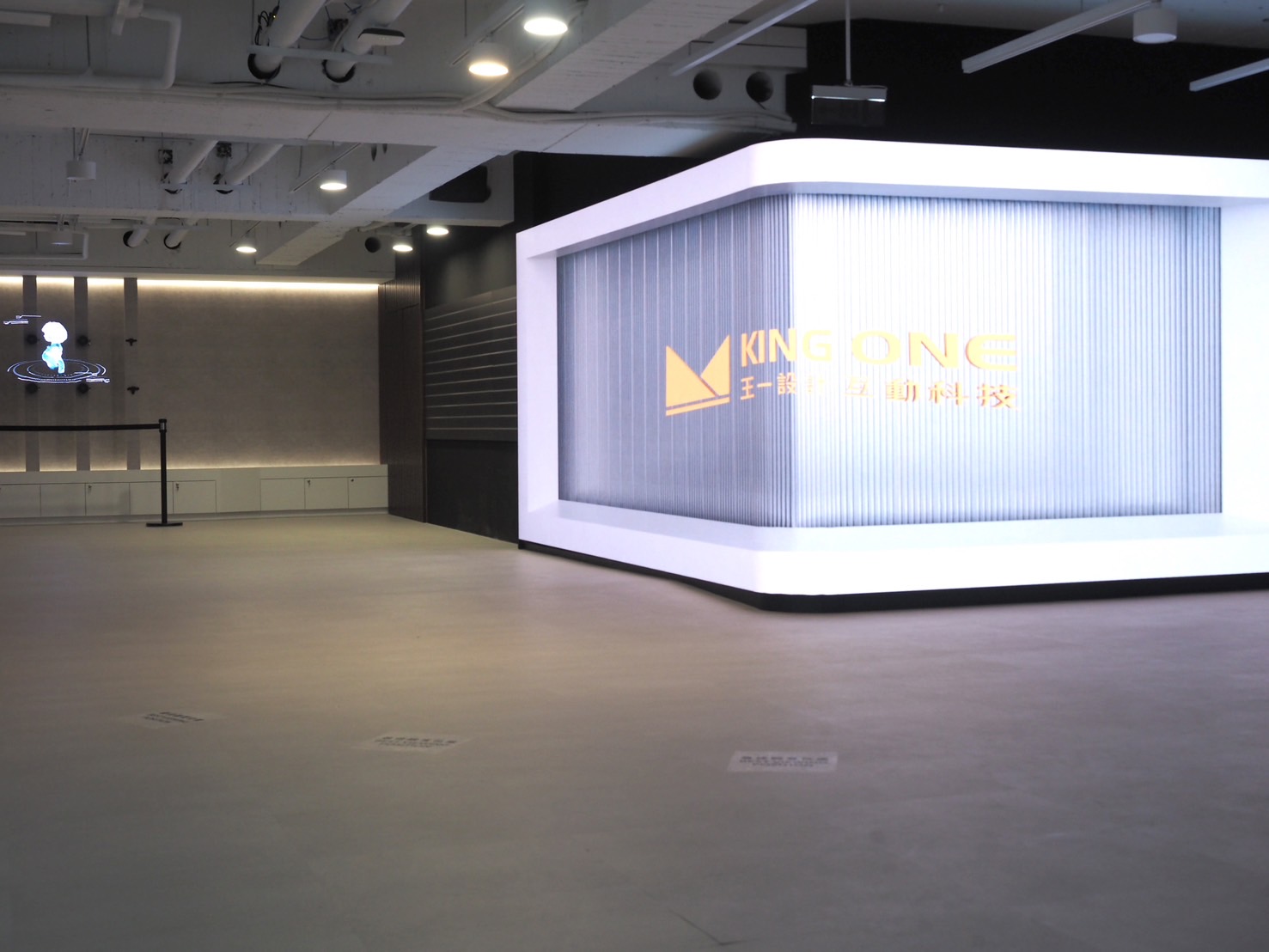
The answer lies in the "Explore Career and Self through the Door" exhibition—a collaborative masterpiece between King One Design and the National Science and Technology Museum (NSTM)!
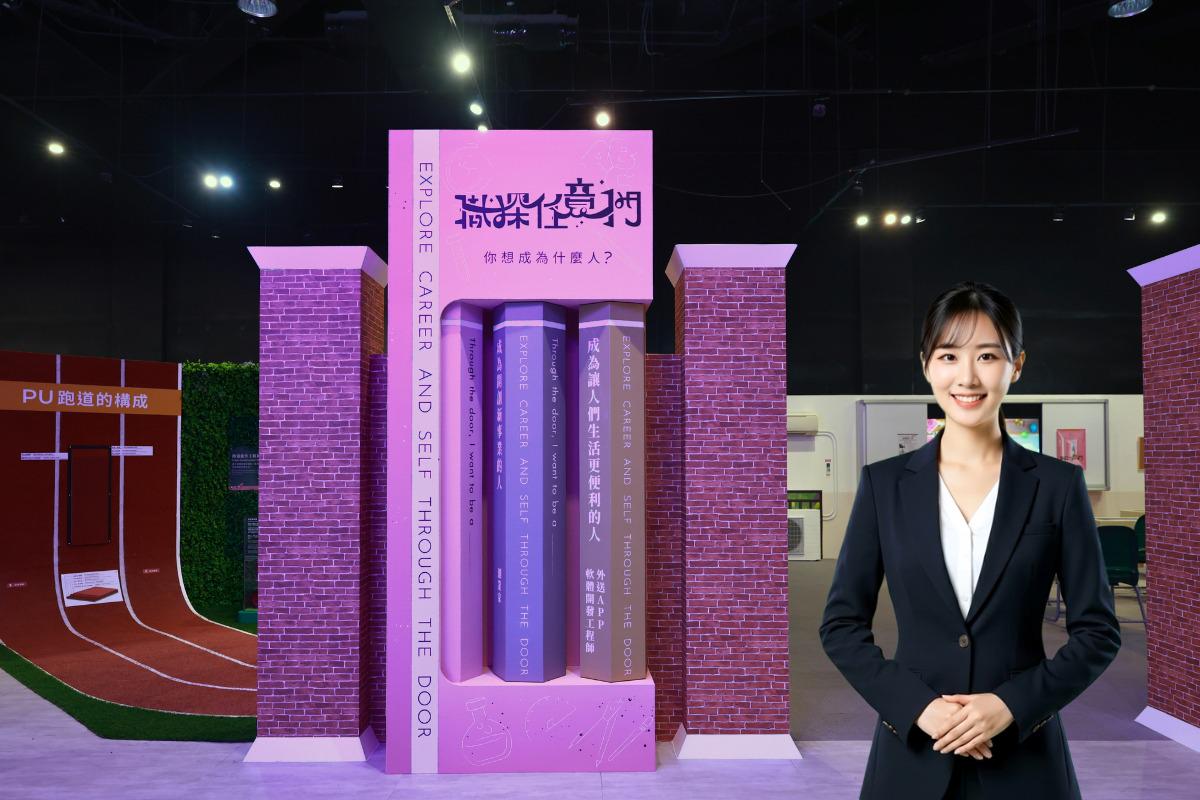
Image Source: King One Design
More Than Just Code: Crafting the "Career Navigator" with an Emotional Touch
This navigation kiosk is far more than a cold information terminal; it has been personified as the "AI Career Navigator." Combined with highly customized guidance scripts and interactive design, the visit becomes an immersive journey of discovery, specifically tailored for students and families. This "Character-Driven" design philosophy focuses on building emotional connections and thematic narratives, moving beyond the traditional Q&A format.
Powered by AWS Generative AI At the heart of this intelligence is the integration of AWS Generative AI technology, which provides advanced Natural Language Understanding (NLU) and real-time conversational capabilities. When visitors ask questions in natural language—such as, "What does an optoelectronic engineer actually do?"—the AI guide responds instantaneously. It delivers rich, easy-to-understand explanations that significantly enhance interaction depth and knowledge retention.
From Venue to Cloud: OMO Strategy Ensures the Exhibition Never Ends!
King One Design has further elevated the exhibition experience through the L'AiR AIaaS platform, achieving true OMO (Online-Merge-Offline) integration. Even when the physical museum is closed, visitors can enter a virtual exhibition space through the L'AiR SPACE online platform to continue their exploration.
This strategic design breaks the boundaries of time and geography, transforming a temporary exhibition into an "Ever-present Learning Platform." It serves multiple educational functions, from pre-visit preparation for school field trips to post-visit reinforcement of learned concepts. Moreover, it extends its reach to audiences in remote areas or those unable to visit in person, significantly amplifying the museum’s educational impact and social value.
From Guidance to Data: AIaaS as Your Holistic Exhibition Solution
The local implementation driven by King One Design does more than just enhance interactive guidance—it fully demonstrates the inherent flexibility and integration capabilities of the AIaaS model. Rather than simply selling hardware, King One Design provides a comprehensive, one-stop AI application service. This includes strategic consultancy, character persona design, dynamic content generation, and behavioral data analytics—truly bringing the concept of "MarTech for Museums" to life.
Furthermore, the L'AiR platform has proven its excellence beyond Taiwan's borders. By showcasing its robust OMO architecture and exhibition technology at GITEX Global in Dubai, one of the world’s premier tech events, it has demonstrated world-class international competitiveness. An AI tour guide is no longer a localized, static device; it is a scalable, evolving, and intelligent navigation system ready for the global stage.
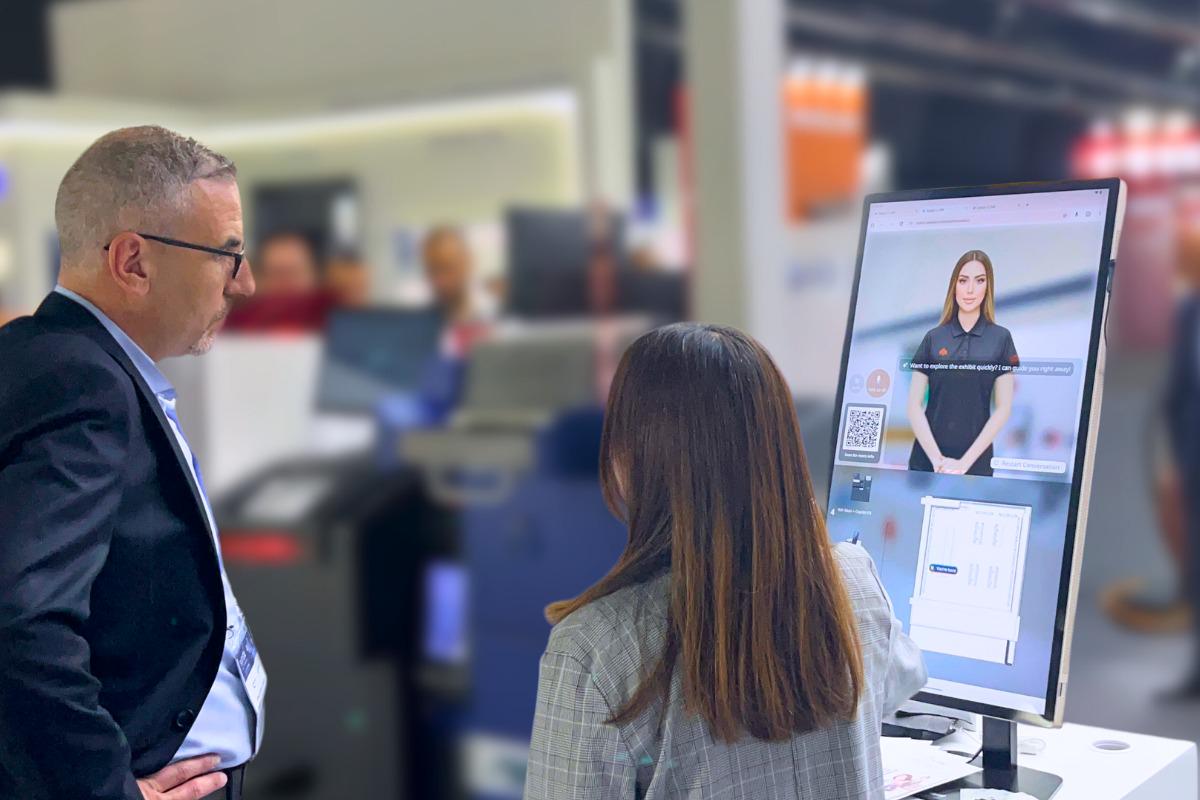
Image Source: King One Design
The Core of AIaaS: Defining the Next Frontier for Exhibition Technology!
The "AI Career Navigator" project, a collaboration between King One Design and the National Science and Technology Museum (NSTM), represents far more than the deployment of interactive kiosks. It is a definitive localized practice of the AIaaS model.
For the museum, this is no longer a one-time equipment purchase. Instead, it is a subscription to a comprehensive, data-centric smart navigation service. This turnkey solution encompasses:
● Intelligent Content: Dynamic, AI-driven narratives.
● Cutting-edge Technology: Real-time semantic understanding.
● Cloud-based Platforms: Scalable infrastructure for seamless management.
● Continuous Operational Support: Ongoing updates and data-driven optimization.
Through this model, King One Design ensures that the exhibition is not a static installation, but a living, evolving digital asset.
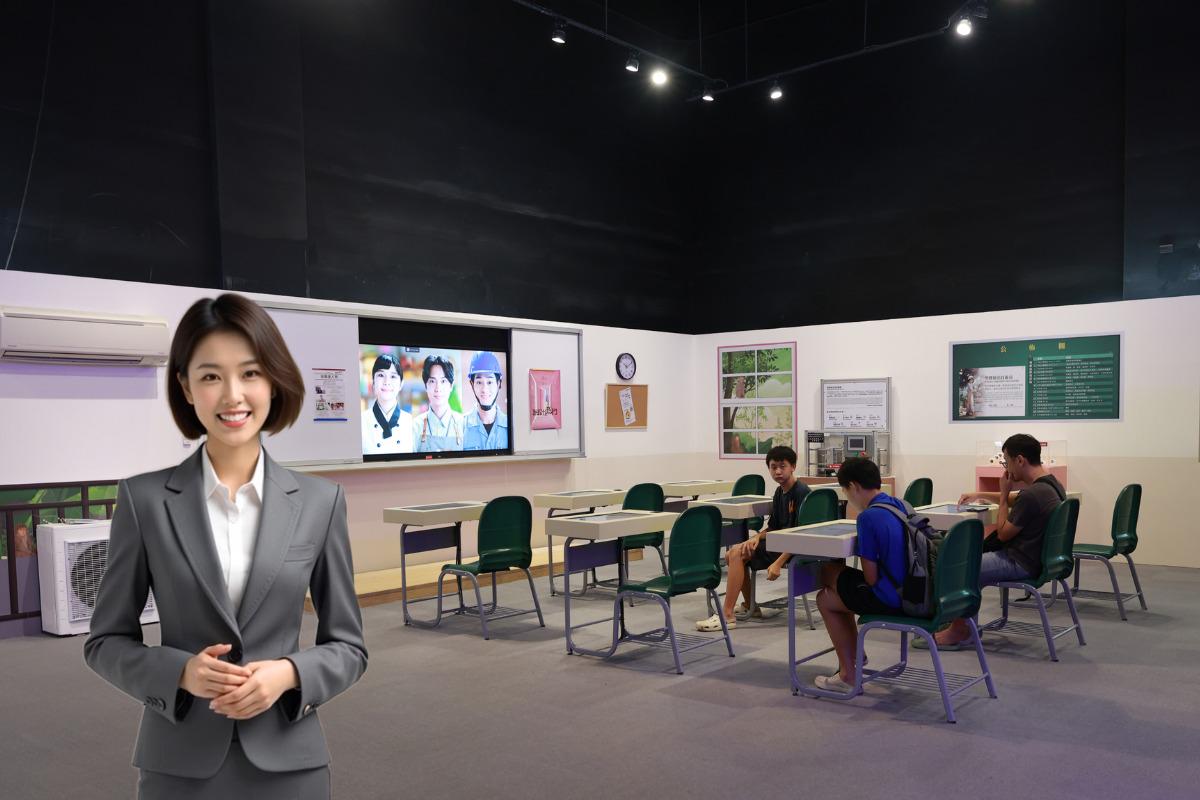
Image Source: King One Design
From CAPEX to OPEX: Unlocking a New Paradigm for Museum Transformation
Traditional procurement of exhibition equipment often involves massive, one-time capital expenditures. These investments carry high costs and significant risks, especially as technology quickly becomes obsolete and difficult to update. By adopting the AIaaS subscription model, museums can transition these costs into flexible Operating Expenditures (OPEX). By paying on an annual or monthly basis, institutions gain access to an AI navigation experience that is continuously evolving.
The Shift to a Long-term Partnership This transition does more than just lower the barrier to innovation for exhibition organizers; it fundamentally redefines the relationship between clients and providers. King One Design evolves from a one-time "equipment supplier" into a long-term technology partner. This model fosters a more stable and profound collaboration, ensuring that the technology remains cutting-edge and perfectly aligned with the museum's long-term vision.
The Next Frontier: How AIaaS Drives "Data-Driven Curatorial Strategy"
The true power of AIaaS lies beyond merely enhancing the visitor experience; it is about establishing a continuous feedback loop. By collecting and analyzing vast amounts of interaction data, AIaaS provides curators with the empirical evidence needed to optimize content and spatial design. In the collaboration between King One Design and NSTM, the question logs captured by the AI guides became a vital strategic asset. For instance:
● Identifying Content Gaps: If backend analytics show a high volume of queries regarding "Optoelectronic Engineers," it indicates a strong interest in this field, prompting curators to add more in-depth information or interactive modules.
● Locating Experience Bottlenecks: If many visitors ask, "How do I play the Barcode Master challenge?", it signals a potential gap in site guidance or UI design, allowing for immediate adjustments to instructions or interface layouts.
The Core Engine of Exhibition Evolution In the wave of digital transformation, AIaaS is not just a buzzword; it is the core kinetic energy driving the evolution of exhibition technology. Through King One Design’s practical implementations, we see that AI tour guides have evolved from passive devices into integrated services that combine Generative AI, Semantic Understanding, and Cloud Platforms.
This application enables museums to provide interactive, smart guidance while simultaneously harnessing user behavior data for truly data-driven curation. In the future, those who master this technology will lead the cultural and exhibition sectors, fostering deeper, more meaningful connections with their audiences.
- 1
6 Different Types of Trade Show Booths You Need to Know
Brand Strategy
- 2
What is CIS? Corporate Identity Design that goes hand in hand with exhibition design
Tech Life & Trends
- 3
3D Logo - The Little Secret in Exhibition Design
Exclusive Perspective
- 4
What is the definition of Experiential Marketing? From 5 perspectives, you will get it!
Tech Life & Trends
- 5
6 Steps to Make Your Own Instagram Filter!
Digital Transformation
- 6
Fly Your Own Airplane - AR Interactive Experience Activity with ANA Airlines
Digital Transformation