








When History Awakens in the Present: Interview with Sing-Da Huang on Museums, Tech, and Joy
Catalog
- ICME Board Member Sing-Da Huang: From Theater Lighting to Museums—A Journey Interwoven with Passion and Mission
- Q: What initially inspired you to dedicate yourself to the fields of museums and cultural transformation?
- Q: Do you still remember the sense of wonder and awe you felt the very first time you stepped into a museum?
- 2026 ICME Annual Conference: Sparking a Global Cultural Dialogue on "Recovery and Regeneration"
- Q: Could you introduce the theme of the 2026 ICME Annual Conference and share the core concepts the organizers hope to communicate to the global museum community?
- Reshaping the "Sense of Joy": Turning the Exploration of Knowledge into a Profound Spiritual Delight
- Q: In recent years, museums have placed growing emphasis on visitor experience and emotional resonance. How do you view the "sense of joy" within a museum?
- Bridging Through AI: Breathing New Life into the Historic "The Niao sung family" Collection
- Q: Amid the wave of generative AI and digital transformation, how can technology empower local cultural venues to tell their own stories?
- Returning to Authentic Emotion: The Timeless Human Warmth of Museums Across Generations
- Q: Looking ahead, what new expectations do you have for the cross-disciplinary integration of museums and technology? And what is that irreplaceable human warmth that technology can never replicate?
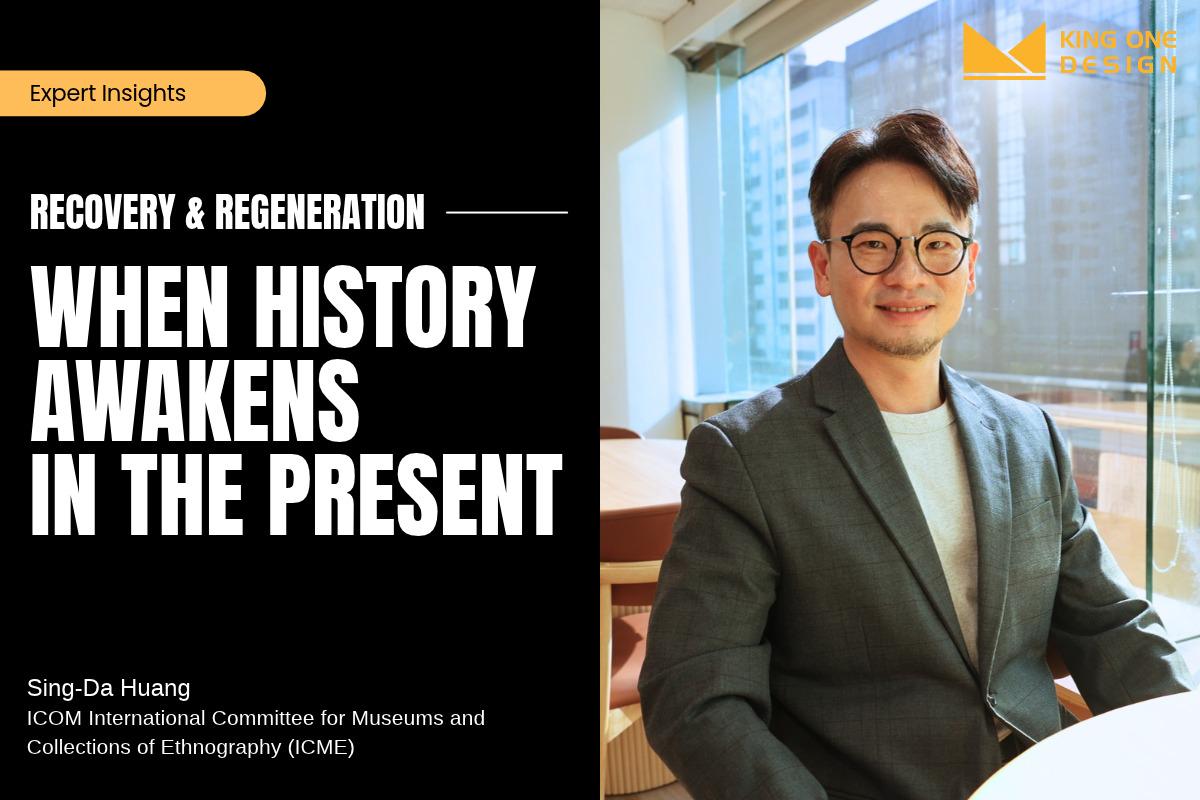
Image source: King One Design
When we step into a museum, what are we truly searching for? Is it answers to our historical curiosities, or an immersive encounter that reshapes our perspective and senses?
Propelled by digital evolution, contemporary museums have moved beyond the rigid role of one-way knowledge providers. Instead, they have transformed into public experiential canvases—rich with diverse voices and deep emotional resonance.
In this exclusive interview, ICME Board Member Dr. Sing-Da Huang reflects on his cross-disciplinary journey from theater lighting to museum stewardship. He also unpacks the core vision behind this year’s ICME Annual Conference held in Taiwan: “Recovery and Regeneration: Museums as Spaces of Healing, Continuity, and Transformation.”
From the AI docent "Belle" unveiled at the Dubai conference to the National Museum of Prehistory’s iconic character "The Niao sung family," discover how Taiwan harnesses professional expertise and technological innovation to bring slumbering history vividly back to life—presenting to the world its profound cultural inclusivity and antifragile resilience.
Image source: King One Design
ICME Board Member Sing-Da Huang: From Theater Lighting to Museums—A Journey Interwoven with Passion and Mission
Q: What initially inspired you to dedicate yourself to the fields of museums and cultural transformation?
In truth, a person’s passions often begin taking shape in childhood.
I have been deeply drawn to arts and culture since I was young, exploring painting, theater, dance, and music, and I originally expected to dedicate my career to the performing arts. Later, however, I came to realize that museums and theater share a remarkable kinship: both serve as dynamic spaces capable of weaving together diverse themes and mediums—whether through performing arts, visual design, or contemporary social issues, all can be brought to life in multifaceted ways.
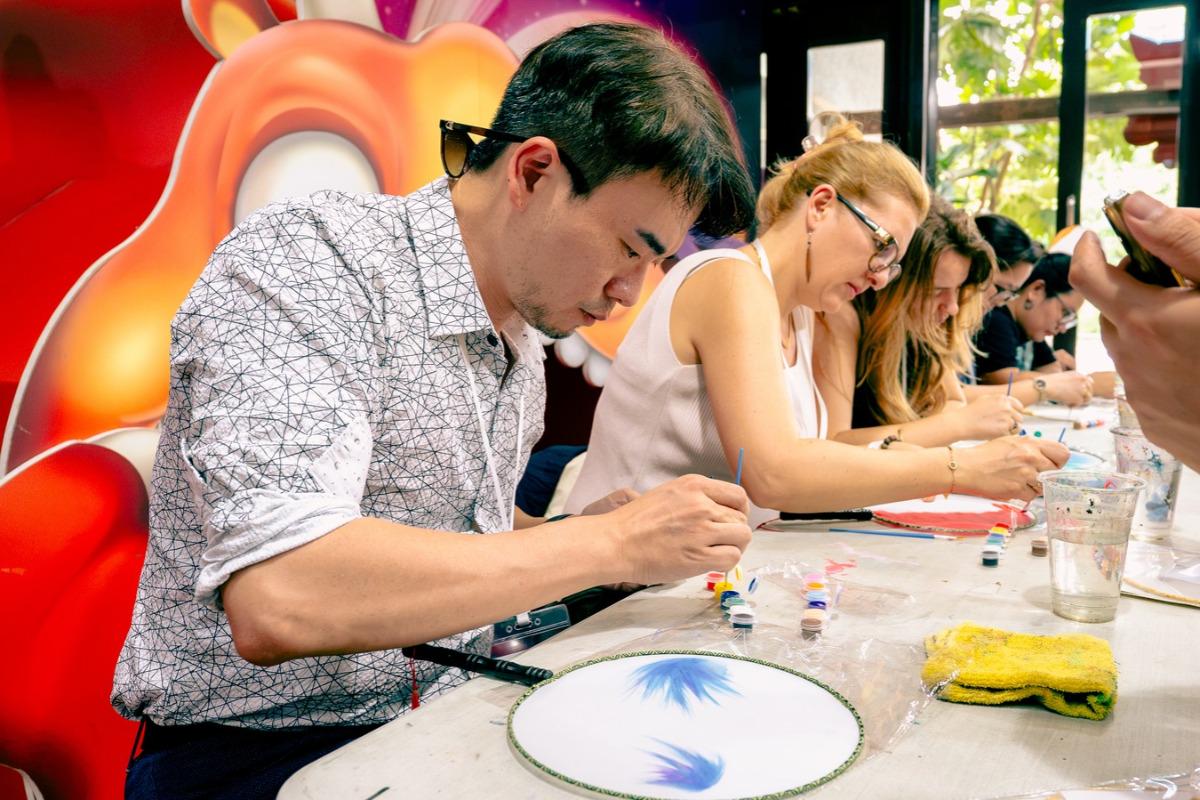
Visiting the Liudui Hakka Cultural Park, participants experienced a traditional imperial fan DIY painting workshop, immersing themselves in the beauty of Hakka craftsmanship.
Image source: King One Design
After passing the Senior Civil Service Examination in Cultural Administration, I officially began my career in the cultural and arts sector. Through a series of serendipitous opportunities, I gradually transitioned from cultural heritage preservation into museum operations. Museums encompass a vast spectrum of disciplines—spanning science, history, arts and culture, natural history, and comprehensive institutions. Looking at the global knowledge ecosystem, it is fundamentally anchored by three pillars: archives, libraries, and museums. Across the past, present, and future, museums hold an irreplaceable, central role in the preservation, systematic organization, and sensory transmission of knowledge.
Moreover, many museums are themselves products of heritage preservation and the adaptive reuse of historic buildings—an aesthetic realm for which I hold a deep passion. Thus, when the opportunity arose to embrace this mission, I embarked on this path without hesitation. Through continuous practice, iterative reflection, and cross-disciplinary dialogue, I have been privileged to gradually drive and witness the multifaceted transformation of modern museums in the contemporary era.
Q: Do you still remember the sense of wonder and awe you felt the very first time you stepped into a museum?
Though my childhood memories are somewhat hazy, living near the National Museum of Natural Science in Taichung left me with an especially vivid impression of the museum.
Back then, the museum offered free admission on specific days. Like many children, my earliest and most striking visual impact of a museum came from those two "dinosaurs."
Dinosaurs are prehistoric creatures absent from our everyday lives, once existing solely within the imagination of picture books and cartoons. So when I first laid eyes on the museum’s two giant animatronic Tyrannosaurus rex models, their lifelike presence and sheer visual impact were overwhelming. Even today, it is still common to see young children brought to tears by the dinosaurs while their parents laugh and take photos beside them—mirroring the exact mix of anticipation and fear I felt back then.
It wasn't until adulthood that I came to understand the technological mechanics behind this shared cross-generational memory. Yet that sensory experience—using exhibition narratives and technology to bring things from the pages of a book "to life"—remains my deepest emotional bond with museums.
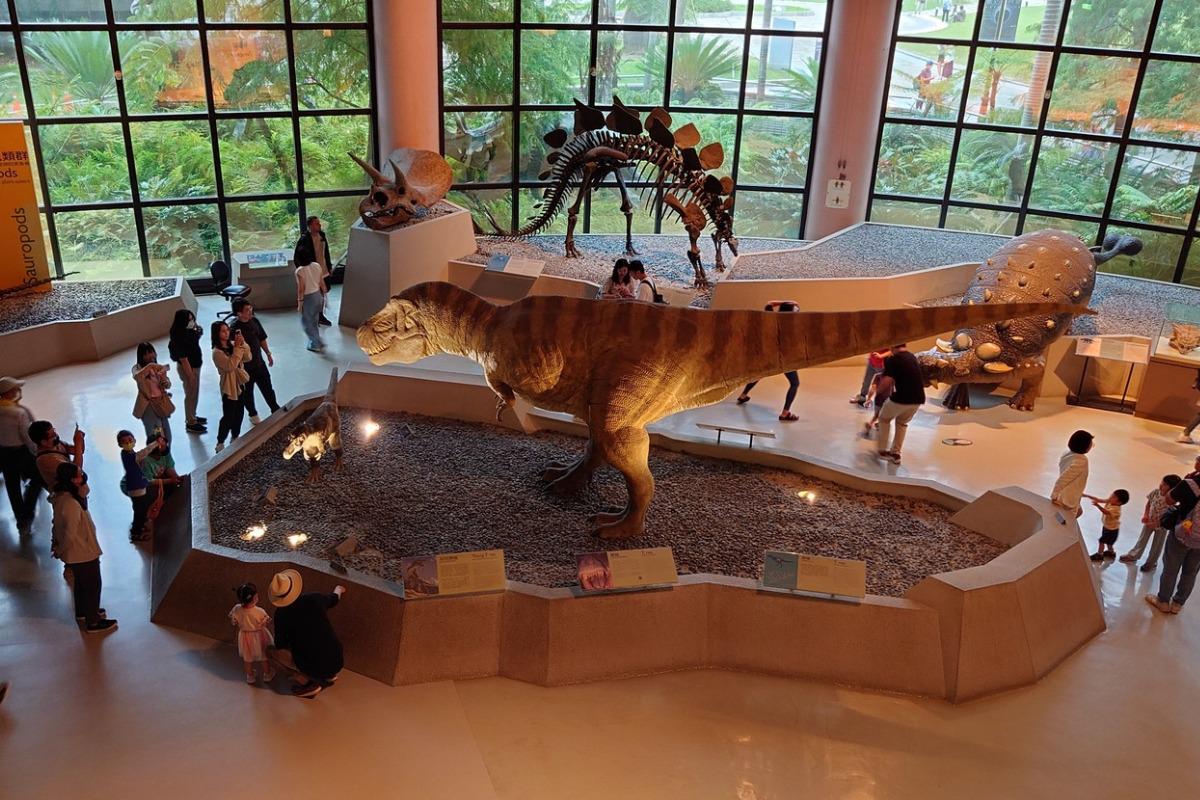
National Museum of Natural Science – Life Science Hall: The Age of Dinosaurs
Photographer: Fang-Ru Lin | Produced by: Tourism Administration, Ministry of Transportation and Communications

After nearly two decades, as the global museum community turns its gaze once again toward the Asia-Pacific, Taiwan emerges as the starting point of this dialogue—anchored by its rich multicultural heritage.
2026 ICME Annual Conference: Sparking a Global Cultural Dialogue on "Recovery and Regeneration"
Q: Could you introduce the theme of the 2026 ICME Annual Conference and share the core concepts the organizers hope to communicate to the global museum community?
This time, we are engaging with ICME (the International Committee for Museums and Collections of Ethnography), which operates under ICOM (the International Council of Museums). Last year, I had the honor of being elected as an ICME Board Member and successfully securing the hosting rights for this year’s annual conference in Taiwan. Beyond serving as international recognition of Taiwan’s professional capabilities, this achievement carries a profound sense of mission for me as a Taiwanese. Through professional thought leadership, we aim to establish a prominent presence for Taiwan on the global museum stage.
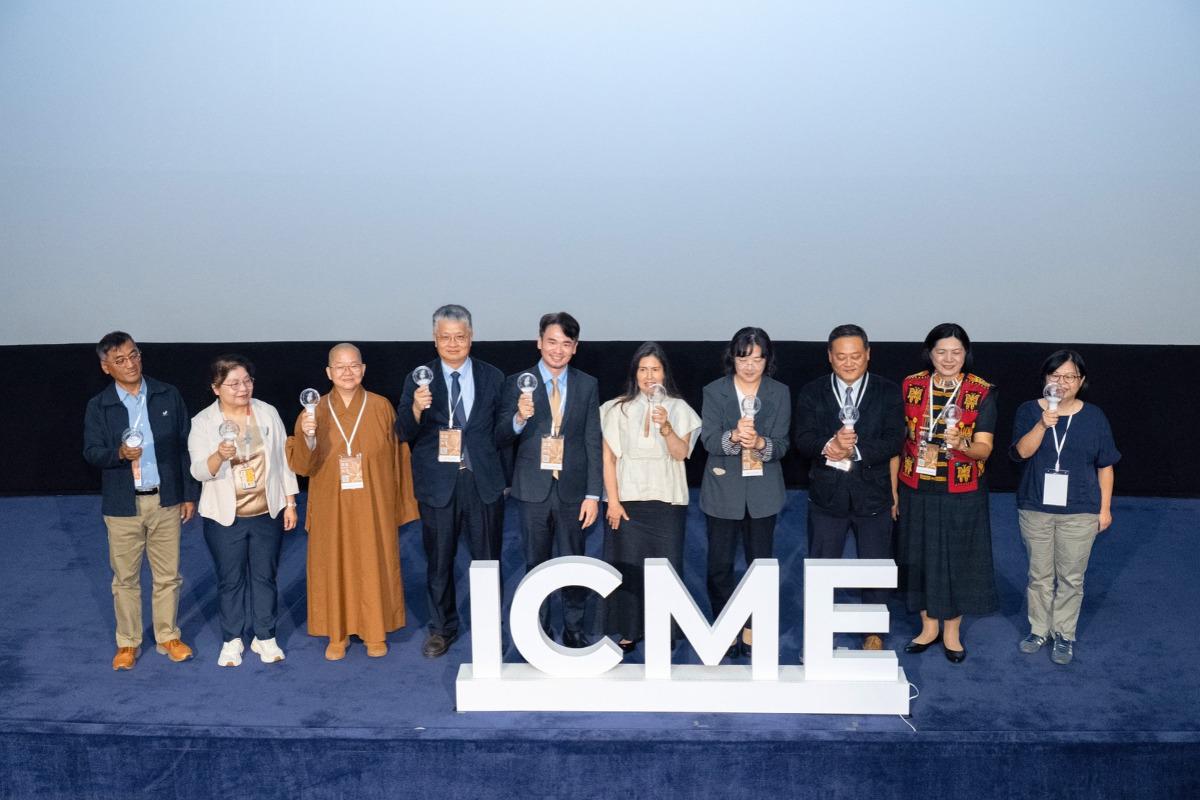
The ICME Annual Conference brings together professionals from around the world to explore new possibilities for recovery and regeneration from diverse perspectives.
Image source: King One Design
As ICME’s inaugural gathering in Taiwan, this year's conference carries profound cultural significance, successfully bringing together over 80 international museum scholars and curators from more than 34 countries. Beyond academic symposiums, the program guided international delegates on immersive field visits to witness the recent transformation and cultural awakening of Taiwan’s museums and local communities. From cultural venues in central Taiwan and cultural parks in the south, to eastern landmarks such as the National Museum of Prehistory, National Dong Hwa University, the Hualien County Archaeological Museum, and the Ciyakan Indigenous Community, visiting scholars stepped directly into local cultural contexts to experience authentic community vitality. Furthermore, during the conference, international board members jointly unveiled the "Taiwan Initiative"—not only showcasing the depth of Taiwan’s local heritage to the world, but also amplifying Taiwan's resonance and presence on the global stage.
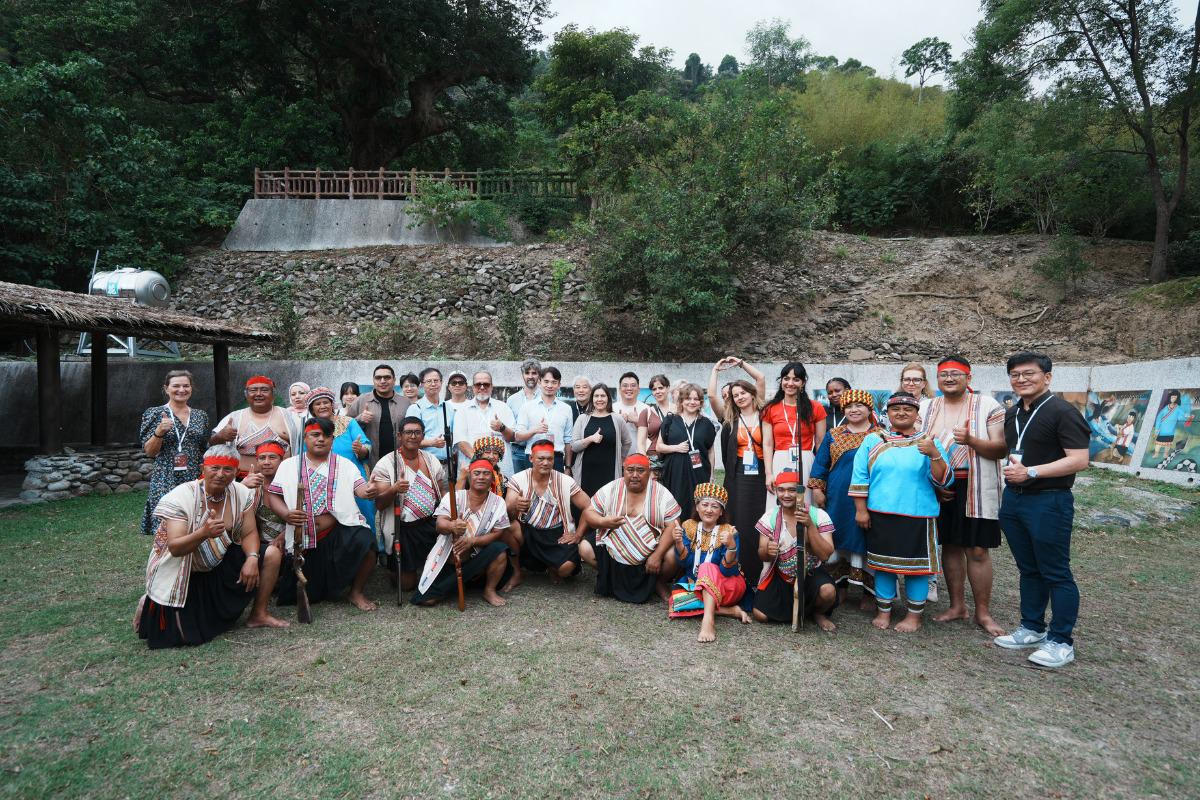
Delving into the Bunun Leisure Farm, participants experienced indigenous culture firsthand through immersive exchange.
Image source: King One Design
With the strong support of ICOM, the Ministry of Culture (MOC), the Council of Indigenous Peoples (CIP), the Ministry of Education (MOE), and the Hakka Affairs Council (HAC), the conference was built upon a foundation of multi-sector collaboration spanning industry, government, academia, and both public and private institutions. Following discussions with ICME, the overarching theme—jointly proposed by myself and Dr. Chun-Wei Fang of the National Museum of Prehistory—was officially set as “Recovery and Regeneration: Museums as Spaces of Healing, Continuity, and Transformation.” Through this theme, we aim to explore how ethnic cultures and museum collections can endure, evolve, and forge new possibilities across generations.
In my view, "regeneration" is not merely about replicating the past; rather, it uses historical depth as a foundation for contemporary reinterpretation and narrative transformation, passing living heritage on to the next generation. Meanwhile, "recovery" goes far beyond literal restoration—it represents a proactive stance in the face of change and crisis, demonstrating the capacity to reshape circumstances and chart new directions forward.
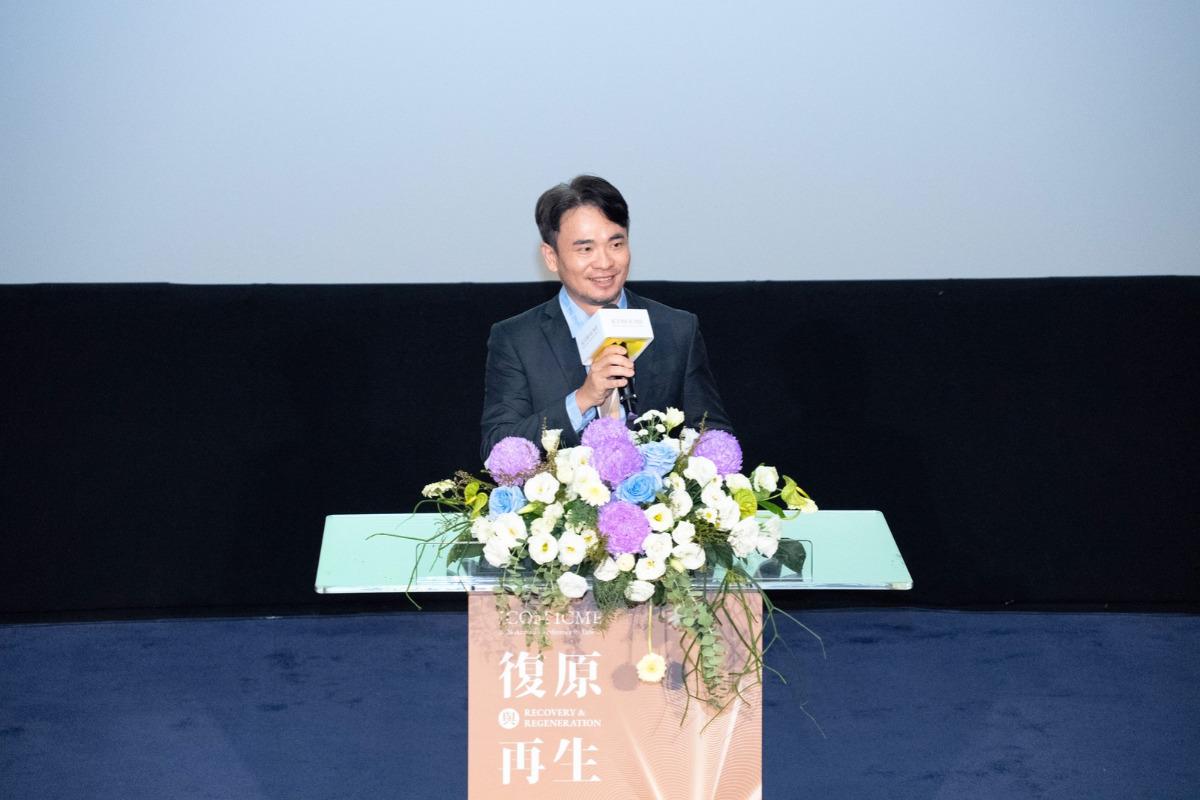
From immersive cultural experiences to in-depth exchange, Board Member Sing-Da Huang opens new avenues of dialogue between Taiwan and the world.
Image source: King One Design
This precisely aligns with the concepts of "resilience" and "antifragility." Taking museum collections as an example: through digital preservation, even if physical artifacts are damaged by natural disasters, their digital images and records remain intact—this represents "resilience," the capacity to passively adapt to change. "Antifragility," however, is far more pioneering: it entails rethinking the contemporary significance of damaged artifacts, endowing them with fresh humanistic interpretations, and transforming crisis into entirely new cultural value.
Furthermore, ICME centers on ethnic and cultural diversity, and Taiwan itself is an island endowed with extraordinary cultural richness. Through this grand gathering, we hope to showcase the vibrant cultural vitality of Taiwan’s diverse ethnic groups to distinguished guests from around the world, demonstrating how culture engages in profound dialogue with contemporary society amid transformation. This spirit is also seamlessly translated into the conference’s key visual: built around the core concept of "radiance," Taiwan’s silhouette is artfully transformed into the origin of a light source, symbolizing that "Taiwan is shining." From this point of origin, we hope to spark an in-depth global dialogue within the museum community on ethnic inclusion and cultural resilience.
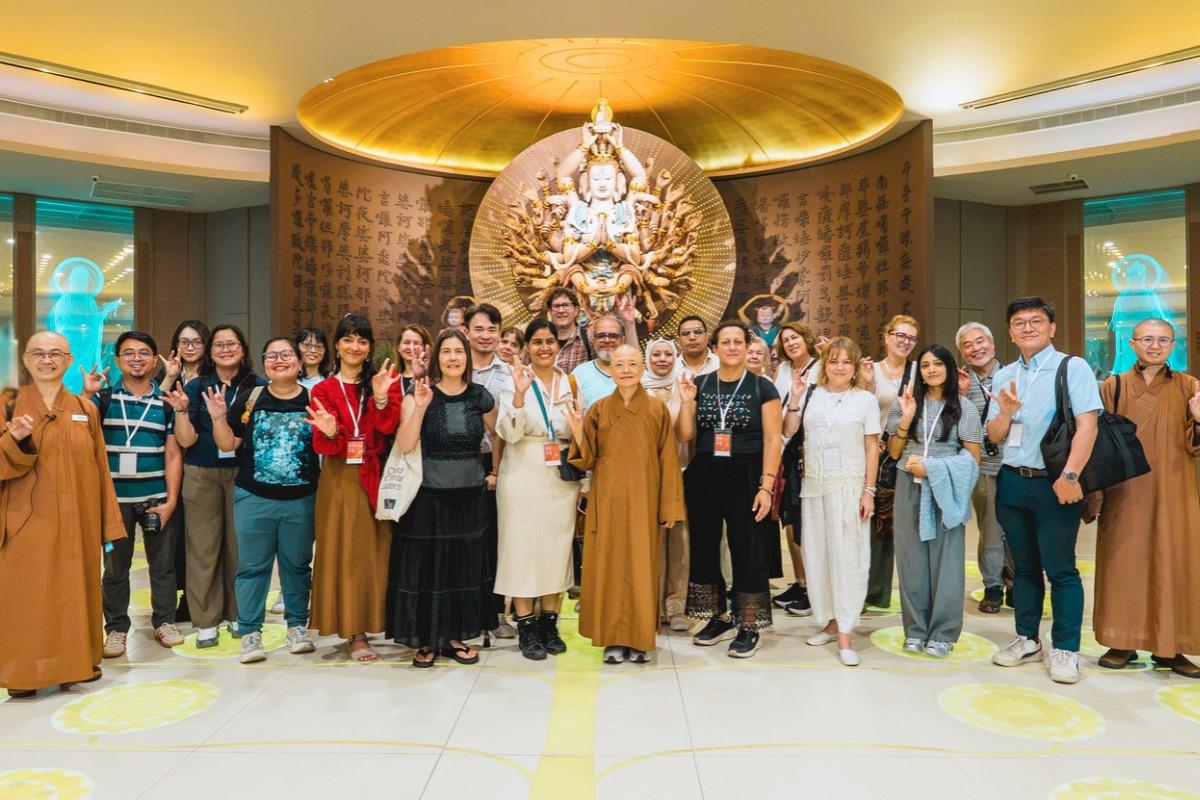
Visiting the Fo Guang Shan Buddha Museum—"Taken from the ten directions, given back to the ten directions"—witnessing the harmonious integration of culture and religion.
Image source: King One Design
"Museums are far more than static repositories of knowledge; they are profound dialogues that transcend time and space. From the initial curiosity of exploring the unknown to the deep fulfillment of spiritual solace, what museums bring to contemporary society is an enduring, profound, and resilient 'sense of joy.'"
Reshaping the "Sense of Joy": Turning the Exploration of Knowledge into a Profound Spiritual Delight
Q: In recent years, museums have placed growing emphasis on visitor experience and emotional resonance. How do you view the "sense of joy" within a museum?
"A 'sense of joy' is not merely an added value to a museum visit; it is a vital starting point that sparks curiosity, encourages active exploration, and deepens learning."
In 2022, the International Council of Museums (ICOM) unveiled a new museum definition (Note 1). Beyond exhibition, research, collection, and education, it officially incorporated concepts such as sustainability, diversity and inclusion, enjoyment, and reflection. This shift reflects that contemporary museums are no longer didactic institutions solely dedicated to transmitting knowledge; instead, they increasingly prioritize emotional connection and multisensory experiences for their visitors. In the past, museums were often perceived as solemn and aloof, while "enjoyment" was easily dismissed as mere hedonism. In reality, however, intellectual inquiry and sensory pleasure have never been at odds.
From past visitor studies, we have observed that many people step into a museum not merely to earnestly absorb new facts, but to unwind and enjoy leisure time within the space. For instance, someone might be captivated by how lifelike a dinosaur model is, which in turn prompts them to explore the scientific reasons behind its extinction; or, at the end of a visit, they walk away not only with new knowledge, but also with cherished memories shared with their family.
※Note 1: On August 24, 2022, during its 26th General Conference in Prague, Czech Republic, the International Council of Museums (ICOM) formally approved the new museum definition with an overwhelming 92.41% majority: "A museum is a not-for-profit, permanent institution in the service of society that researches, collects, conserves, interprets and exhibits tangible and intangible heritage. Open to the public, accessible and inclusive, museums foster diversity and sustainability. They operate and communicate ethically, professionally and with the participation of communities, offering varied experiences for education, enjoyment, reflection and knowledge sharing."
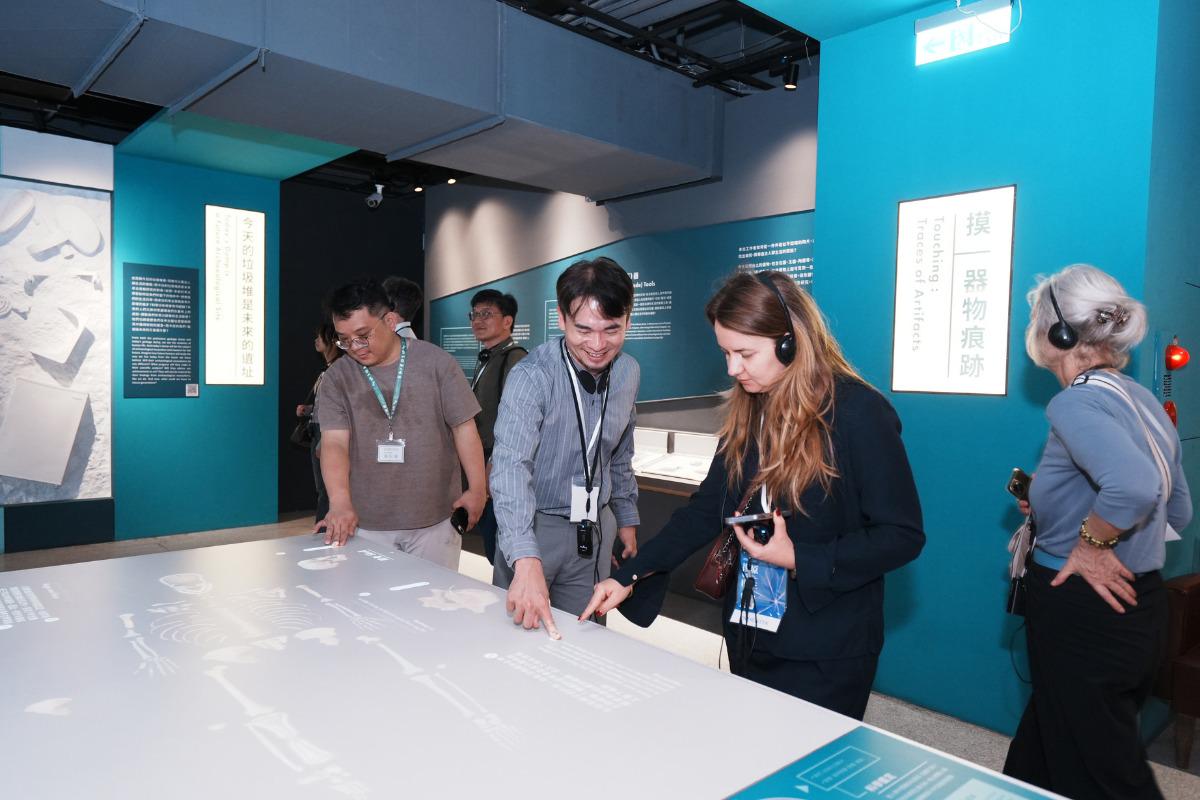
At the Hualien County Archaeological Museum, interactive touchscreen displays allow international guests to effortlessly explore Taiwan’s history and culture.
Image source: King One Design
To craft this refined experience with precision, how content is translated and presented is just as vital as the quality of the content itself. Through intricate visual effects and interactive design, digital technology can deliver moments of surprise, offering visitors a glimpse into worlds once unimaginable and sparking a deeper sense of curiosity. When visitors begin exploring proactively, knowledge itself becomes a profound source of spiritual fulfillment. As the saying goes, "Live and learn." The thirst for knowledge is an innate human instinct; when you actively uncover an answer on your own terms, that sudden "Aha!" moment of insight and accomplishment becomes the most rewarding kind of joy.
Therefore, modern museums must go beyond simply displaying collections and knowledge—they need to consider how to bridge the gap with their audiences, ignite their desire to explore, and transform the entire visit into a joyful emotional journey.
Bridging Through AI: Breathing New Life into the Historic "The Niao sung family" Collection
Q: Amid the wave of generative AI and digital transformation, how can technology empower local cultural venues to tell their own stories?
When it comes to AI, many people today worry, "Will I be replaced someday?" However, I do not believe AI is meant to replace humans; rather, it is a tool and a methodology designed to help us achieve our goals.
The key lies in precisely distinguishing between "purpose" and "approach": our purpose in using AI is to showcase Taiwan's cultural soft power to the world and craft deeply resonant visitor experiences, while AI serves as a task-oriented tool that assists us with multilingual guided tours and organizing information. What AI replaces are merely outdated methods and inefficiencies—not uniquely human thought and emotion.
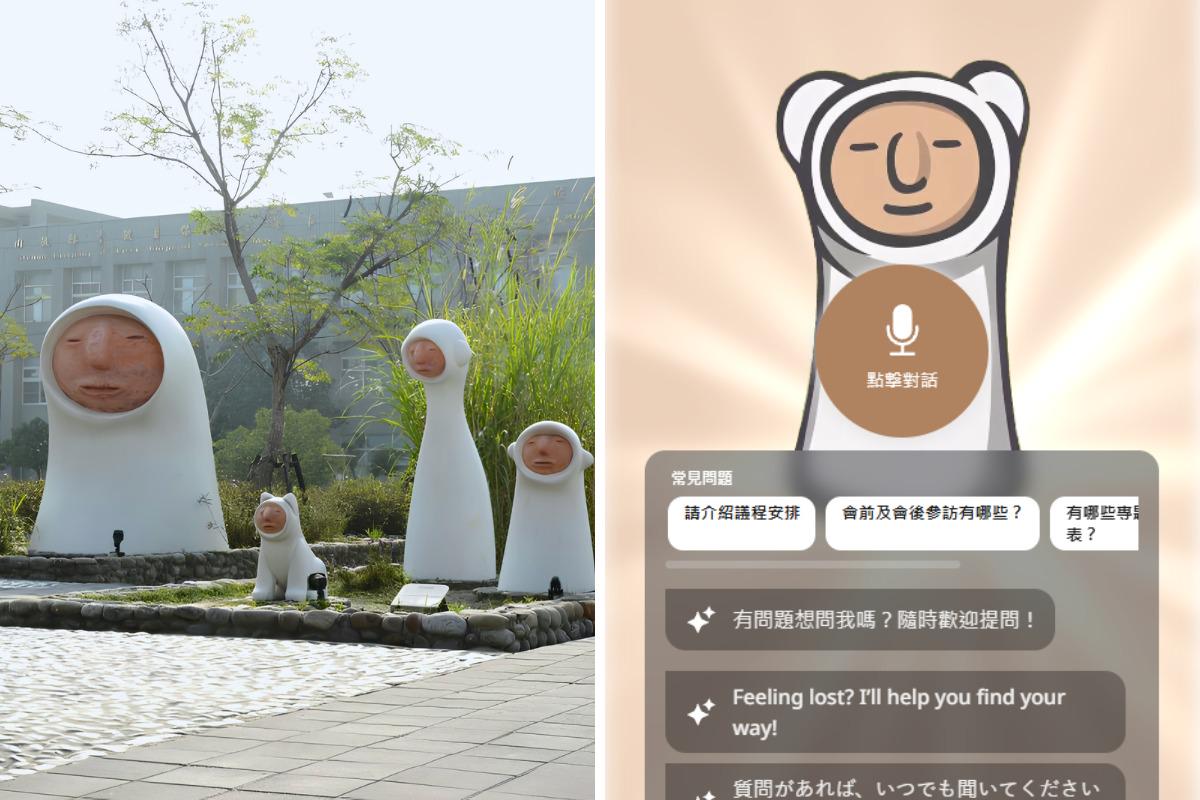
Through digital reinterpretation, the anthropomorphic pottery figurines of "The Niao-sung Family" from the National Museum of Prehistory have been transformed into AI personas.
Image source: National Museum of Prehistory, King One Design
Guided by this mindset, our team specifically selected an iconic character from the National Museum of Prehistory's collection this year—the anthropomorphic pottery figurine "The Niao-sung Family"—for reinterpretation. Originating from Taiwan’s prehistoric Niaosung Culture, this archaeological artifact was reimagined by artist Akibo Lee. Its distinctive form features eyes carrying a humorous mix of world-weariness and innocence, lending it an irresistible, quirky charm. We personified this authentic relic and, leveraging real-time multilingual translation via AI guide devices, transformed it into an on-site staff member capable of conversing directly with visitors. Not only do visitors experience the delight of interacting across time and space, but amid the laughter, they also make a surprising discovery: "So this is an actual archaeological artifact from Taiwan’s history!" Through technology, a collection that has slumbered for millennia truly comes to life.
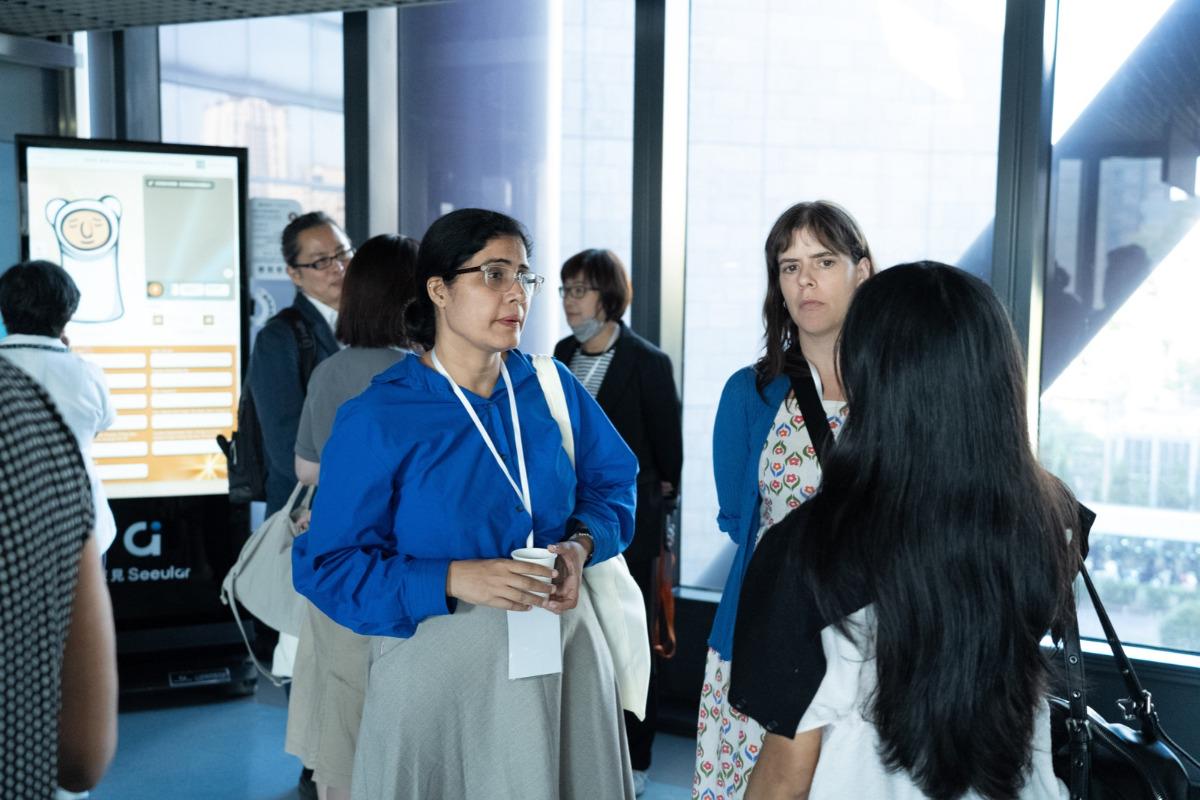
The AI guide device supports real-time multilingual Q&A, enabling international guests to interactively stay informed about the annual conference.
Image source: King One Design
For small and medium-sized local cultural venues with limited budgets and staffing, this is even more crucial for breaking down barriers.
In the past, conducting fieldwork and oral history interviews required immense amounts of time for manual organization. Now, with generative AI, initial transcript sorting and information translation can be completed in a fraction of the time, enabling local practitioners to distill community stories almost as if co-creating with a collaborator—making voices once hidden in the corners far easier for the world to see and hear.
When new technology takes over heavy, repetitive tasks, it in turn reminds us of our "core human value." What remains most essential is still human judgment—where we take responsibility for curating, setting the tone, and deepening cultural meaning.
Technology is the ultimate partner for realizing human imagination, while cultural and emotional resonance will always come from people themselves.
Returning to Authentic Emotion: The Timeless Human Warmth of Museums Across Generations
Q: Looking ahead, what new expectations do you have for the cross-disciplinary integration of museums and technology? And what is that irreplaceable human warmth that technology can never replicate?
I believe the most irreplaceable core of a museum lies in the "authenticity of the object."
Once a historical artifact is digitized, while its dissemination becomes far more convenient, the sense of awe and tangibility it conveys is fundamentally different. Much like standing before a physical dinosaur model, that immediate, on-site sensory impact and emotional resonance is a feeling that no screen or algorithm can ever replicate.
The historical depth inherent in the object itself, combined with the atmosphere of the physical space, is the unique human warmth that belongs exclusively to museums.
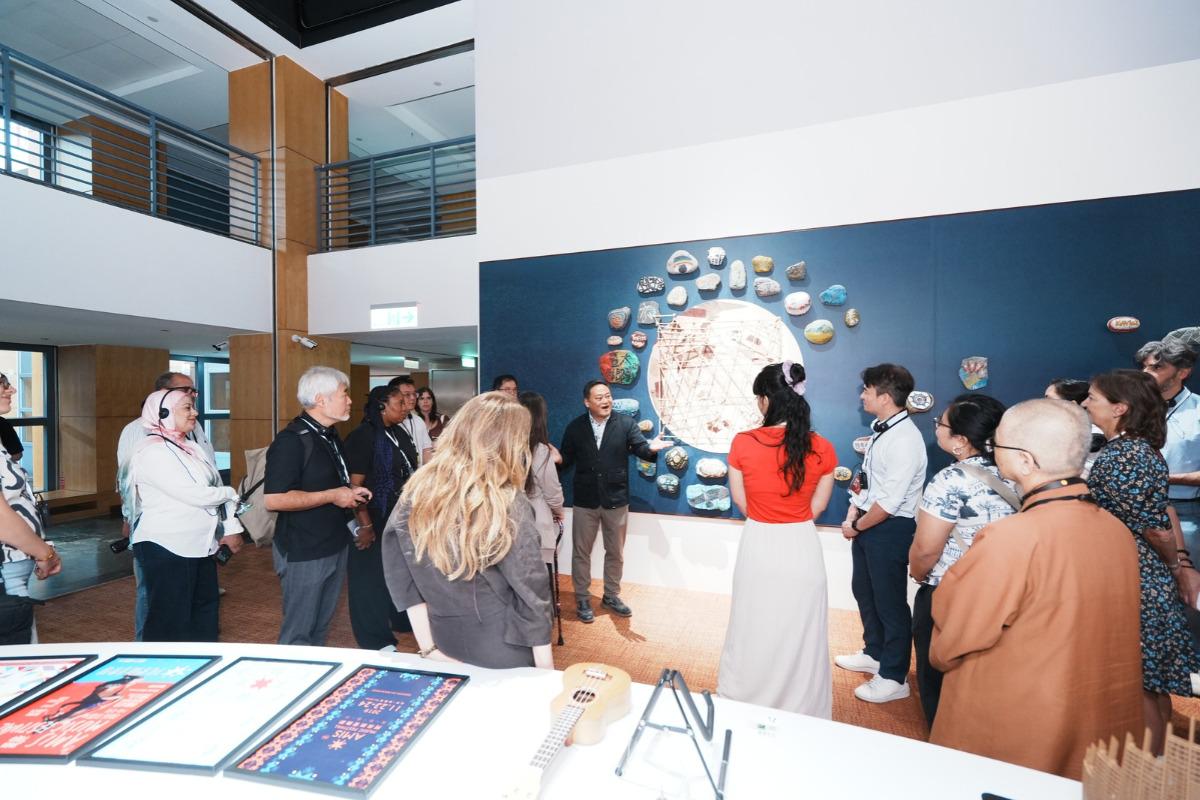
The National Museum of Prehistory—a space of knowledge regeneration where cultural memory "comes alive" in contemporary society.
Image source: King One Design
Looking ahead to the cross-disciplinary integration of technology and museums, I hope it can elevate from the level of "methodology" to that of "social contribution and humanistic reflection." Methodology is about leveraging technology to diversify exhibitions and make operations more efficient; the humanistic dimension, meanwhile, uses technology to champion cultural equity and diversity and inclusion, guiding the public beyond traditional digital divides to reflect anew: "Who are we? What is our core value as human beings?" Only when technology inspires deep self-reflection and dialogue will it truly bring about profound and meaningful change in society.
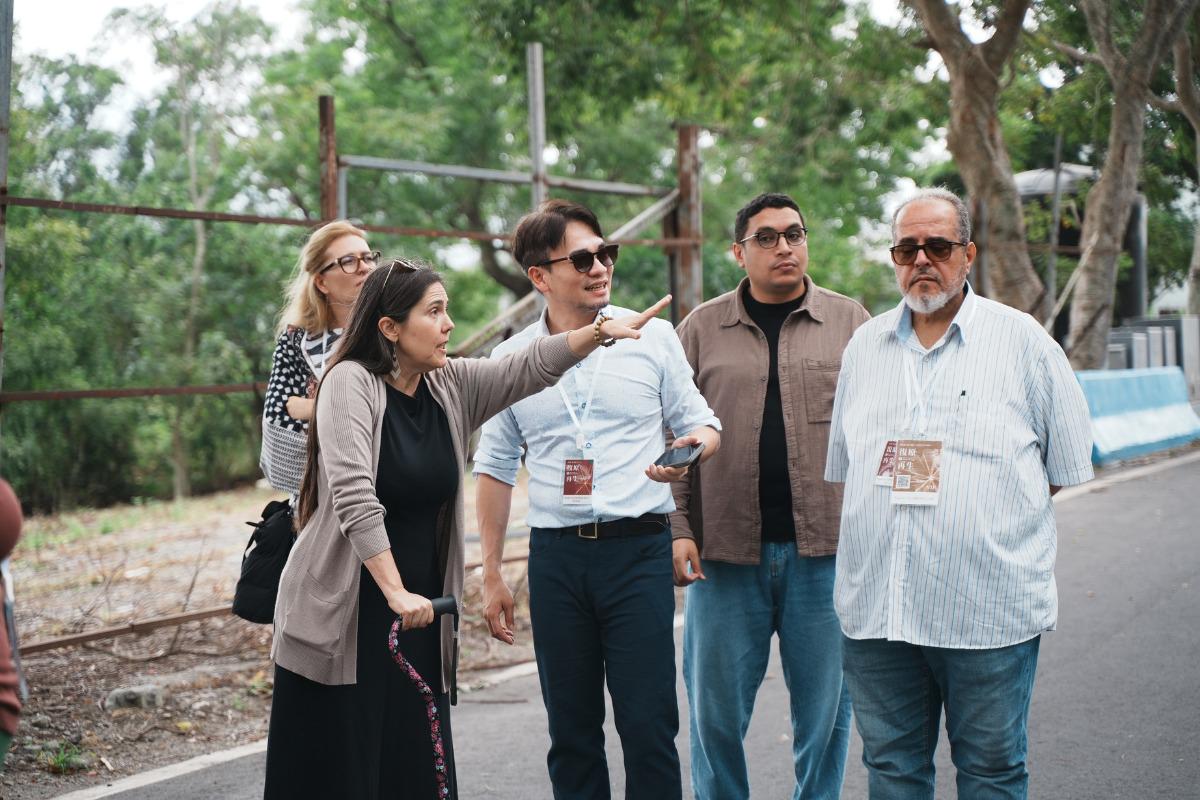
Through international exchange, we share the beauty of Taiwan’s culture while unlocking greater possibilities for the next generation.
Image source: King One Design
Writer Chang Man-chuan once shared a quote that I deeply admire: "Youth never fades; it merely migrates."
A museum is a space that grows alongside contemporary generations. Looking ahead, it should not blindly chase fleeting trends, but rather ensure that every generation feels understood and accompanied. Today's younger generation faces considerable anxiety and uncertainty—feelings that are profoundly real. If museums can let go of traditional dogma and start by caring for contemporary "emotional value" and "states of mind"—developing exhibitions, games, and experiential journeys that spark emotional resonance and offer a sanctuary where the soul can find stillness—they can transcend generational boundaries and allow everyone to discover their own moments of emotion and answers. This connection, extending from the senses deep into the spiritual realm, is the true key to resonating with younger generations and ensuring the sustainable revitalization of museums.

- 1
6 Different Types of Trade Show Booths You Need to Know
Brand Strategy
- 2
What is CIS? Corporate Identity Design that goes hand in hand with exhibition design
Tech Life & Trends
- 3
3D Logo - The Little Secret in Exhibition Design
Exclusive Perspective
- 4
6 Steps to Make Your Own Instagram Filter!
Digital Transformation
- 5
Fly Your Own Airplane - AR Interactive Experience Activity with ANA Airlines
Digital Transformation
- 6
What you need for Situational Design - 2.5 D
Exclusive Perspective
About Board Member Sing-Da Huang:
Dr. Sing-Da Huang currently serves as Board Member and Treasurer of the International Committee for Museums and Collections of Ethnography (ICME) under the International Council of Museums (ICOM), Chair of the Marketing and Public Relations Committee of the Chinese Association of Museums (Taiwan), and a faculty member in the Department of Arts and Creative Industries at National Dong Hwa University (NDHU). With extensive practical experience across museums and cultural heritage sectors, his scholarly focus spans communication studies, museology, cultural and creative industries, and pop culture criticism. Serving as the Conference Chair for the 2026 ICME Annual Conference, he is dedicated to fostering profound dialogue between global perspectives and local cultural innovation.