







“Embrace Change”When Heritage Meets New Audiences: Sin Hong Choon Tea House Transformed
Catalog
- Smart Museum Practice at Sin Hong Choon: An Audience-First Approach
- Q: First, could you share with us the composition and profile of visitors to Sin Hong Choon Tea House?
- Q: As a new-generation director, how do you view the Dadaocheng district? And how is Sin Hong Choon Tea House moving forward with the times, from content digitization to digital outreach?
- Q: You previously worked at the Smart Museum Project Office under the Ministry of Education. Could you share the core concepts and goals of a “smart museum”?
- Q: Could you share some representative examples of smart museums in Taiwan?
- Q: In the development of museums in Taiwan and abroad, which cases of using digital technology to expand audiences have impressed you the most, and why?
- Conclusion: Striking a Balance Between Cultural Authenticity and Technological Innovation at Sin Hong Choon Tea House
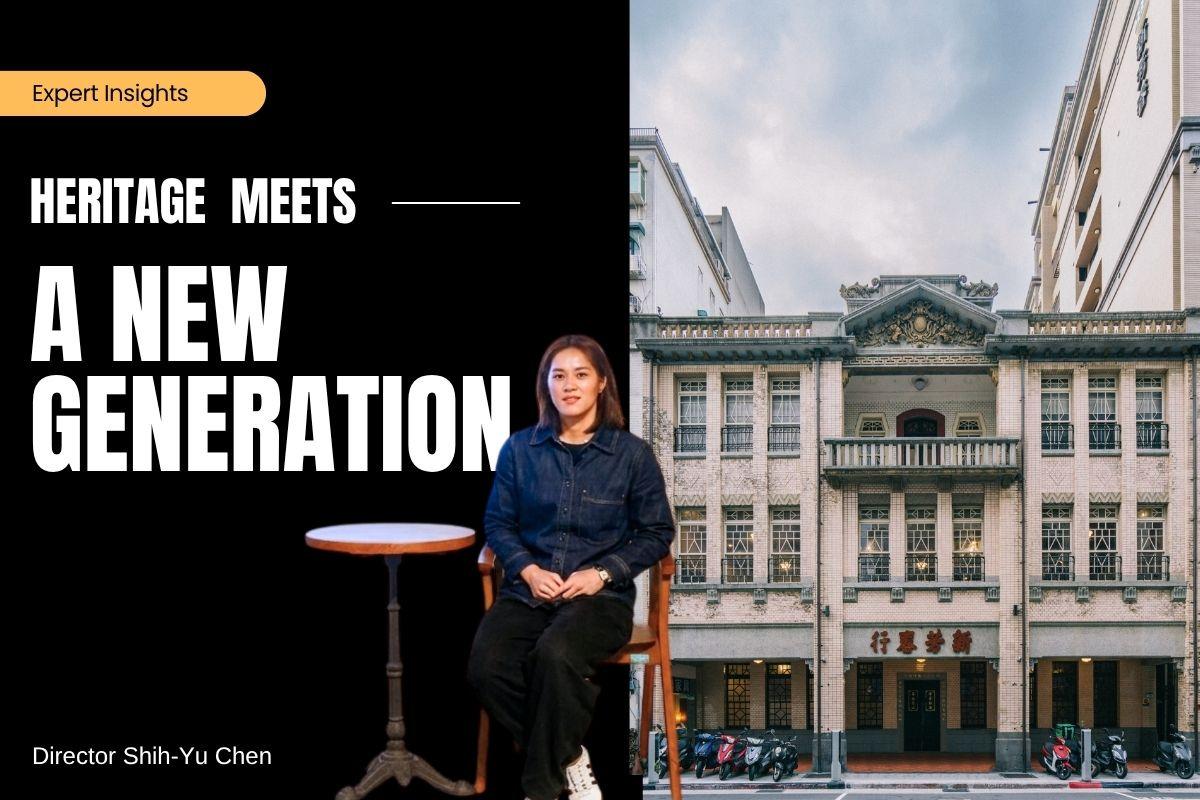
Source:Sin Hong Choon Tea House、King One Design
Smart Museum Practice at Sin Hong Choon: An Audience-First Approach
In Dadaocheng, Taipei, a historic building with over 90 years of history—Sin Hong Choon Tea House—is embracing contemporary audiences with a renewed presence. As the conservation principle of “restoring the old as it was” encounters the rapid evolution of digital technology and changing audience behaviors, how can museums and heritage spaces strike a balance between preservation and innovation?
In this article, Director Shih-Yu Chen begins with audience research to share how Sin Hong Choon has reexamined its visitors and redefined their profiles. Through the use of AR, digital guides, and curated content, the traditional tea house is being transformed into a more inclusive and interactive cultural space. From the perspective of a smart museum, this piece also explores how digital technology is not merely a tool for display, but a key driver in connecting with audiences, enhancing operational efficiency, and expanding cultural impact.
Source:King One Design
Q: First, could you share with us the composition and profile of visitors to Sin Hong Choon Tea House?
A: Sin Hong Choon Tea House is a historic building with over 90 years of history. When visitors first enter the space, they often immediately sense its classical and tranquil atmosphere. While heritage conservation emphasizes “restoring the old as it was,” cultural transmission and public engagement must evolve with the times.
Since taking over the management of Sin Hong Choon, our team has continuously reflected on how to help more people understand the meaning and value behind preserving this building. In the early stage, local community partners familiar with the site shared that most visitors tended to be older, with a strong interest in local history and heritage, often visiting in groups.
However, the COVID-19 pandemic changed visitor behaviors. From our first year of audience research, we found that the primary visitor profile had shifted to women aged between 25 and 45. Around 70% of visitors came in after simply passing by and discovering Sin Hong Choon spontaneously. These findings have since become an important foundation for our operational and outreach strategies.
According to audience research, the post-pandemic primary visitor profile at Sin Hong Choon Tea House is mainly women aged between 25 and 45.
Source:King One Design

Due to pandemic-driven changes in visitor behavior, Sin Hong Choon Tea House’s main audience is now women aged 25–45, with about 70% entering after passing by.
Q: As a new-generation director, how do you view the Dadaocheng district? And how is Sin Hong Choon Tea House moving forward with the times, from content digitization to digital outreach?
It is not only because many visitors belong to a digitally familiar generation, but also because digital usage in Taiwan is now highly widespread. In response to changing ways of accessing information, the implementation of digital applications in museums has become an inevitable trend.
Digital applications in museums can include collection digitization, various forms of projection, and online museums, allowing content to be presented in more diverse ways. However, audience research also shows that few people actively seek out museum content outside their visit. Therefore, what matters most is capturing the moment when visitors enter the site—encouraging them to stay longer, explore more deeply, and better understand Sin Hong Choon and Dadaocheng.
To seize this opportunity, since taking over Sin Hong Choon, we have explored integrating different technologies. For example, AR allows us to present artifacts that require strict conservation conditions, while cloud-based learning platforms enable teachers and parents to guide children in exploring the site.
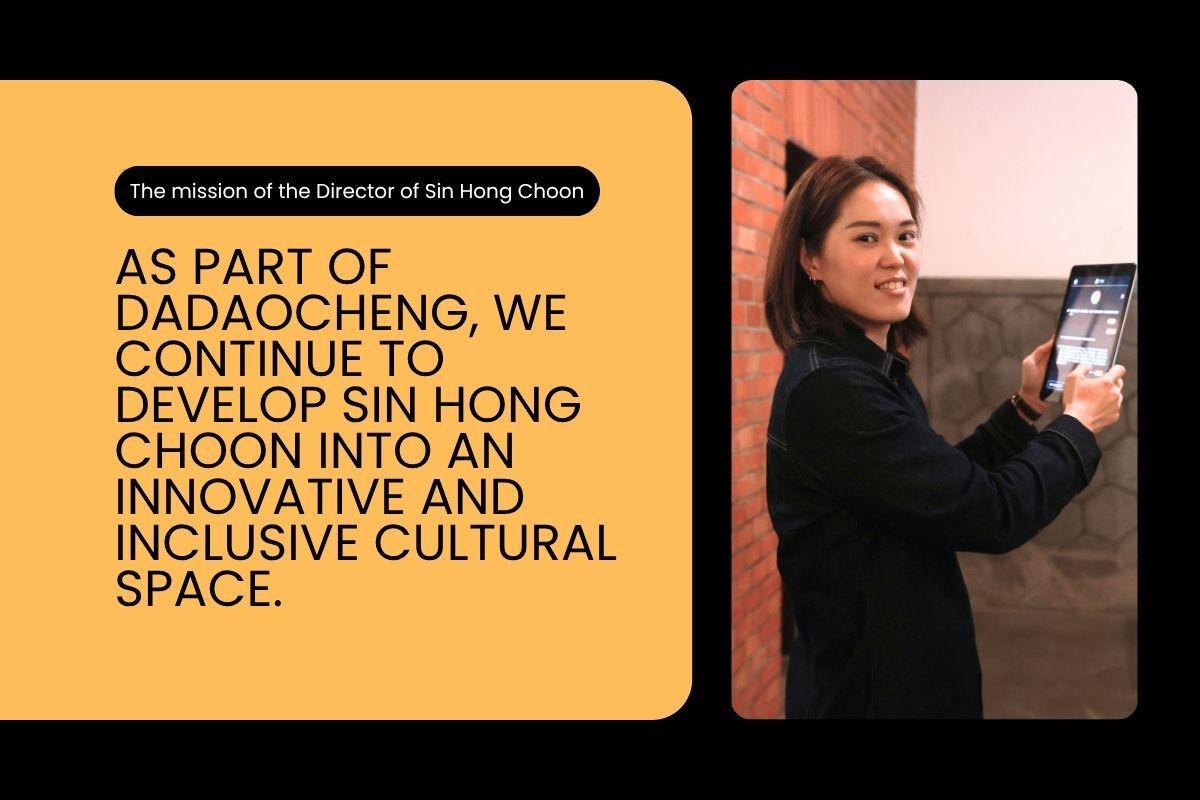
Dadaocheng is not only rich in historical and cultural heritage, but also full of vitality and continuous energy. This vitality comes from sensitivity to social change and a willingness to embrace the unknown. As part of Dadaocheng, we continue to develop Sin Hong Choon into an innovative and inclusive cultural space.
Note 1: According to Taiwan’s Ministry of Digital Affairs, the 2025 Digital Inclusion Survey shows that 90.3% of people aged 12 and above in Taiwan are internet users.
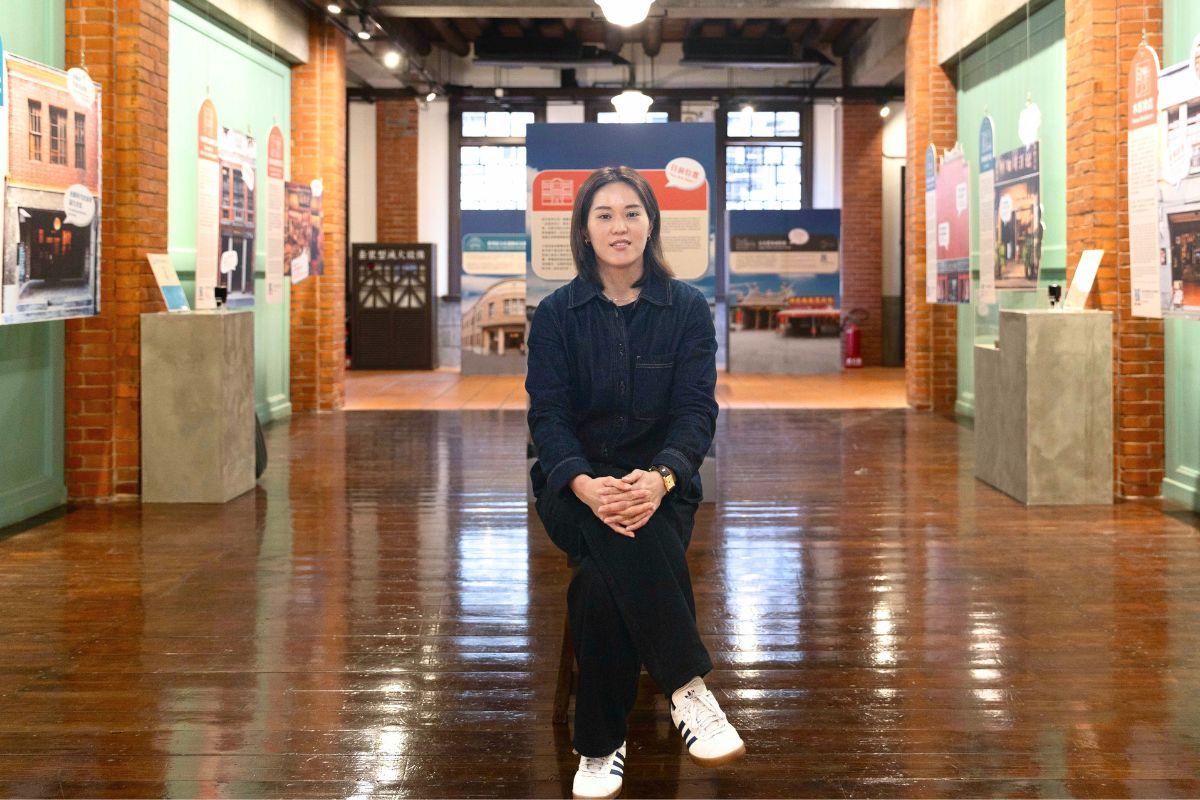
Sin Hong Choon Tea House Director Shih-Yu Chen, as a new-generation curator, promotes the tea house through contemporary approaches.
Source:King One Design
Q: You previously worked at the Smart Museum Project Office under the Ministry of Education. Could you share the core concepts and goals of a “smart museum”?
A: Drawing on my previous experience at the Smart Museum Project Office under the Ministry of Education, I became more familiar with how museums integrate technology, digital display, and intelligent management.
The core concept of a smart museum lies in using technology to significantly enhance professional practice across multiple dimensions—including understanding visitors, applying display technologies to create more diverse experiences, and improving overall museum management.
From an audience research perspective, museums traditionally rely on on-site questionnaires to collect visitor feedback and improve services accordingly. In smart museum practices, however, understanding visitors can also come from backend data generated by interactive technologies, such as dwell time and visitor flow patterns. Compared to relying on visitors’ subjective recall, this type of data provides a more accurate and objective picture of the visiting experience.
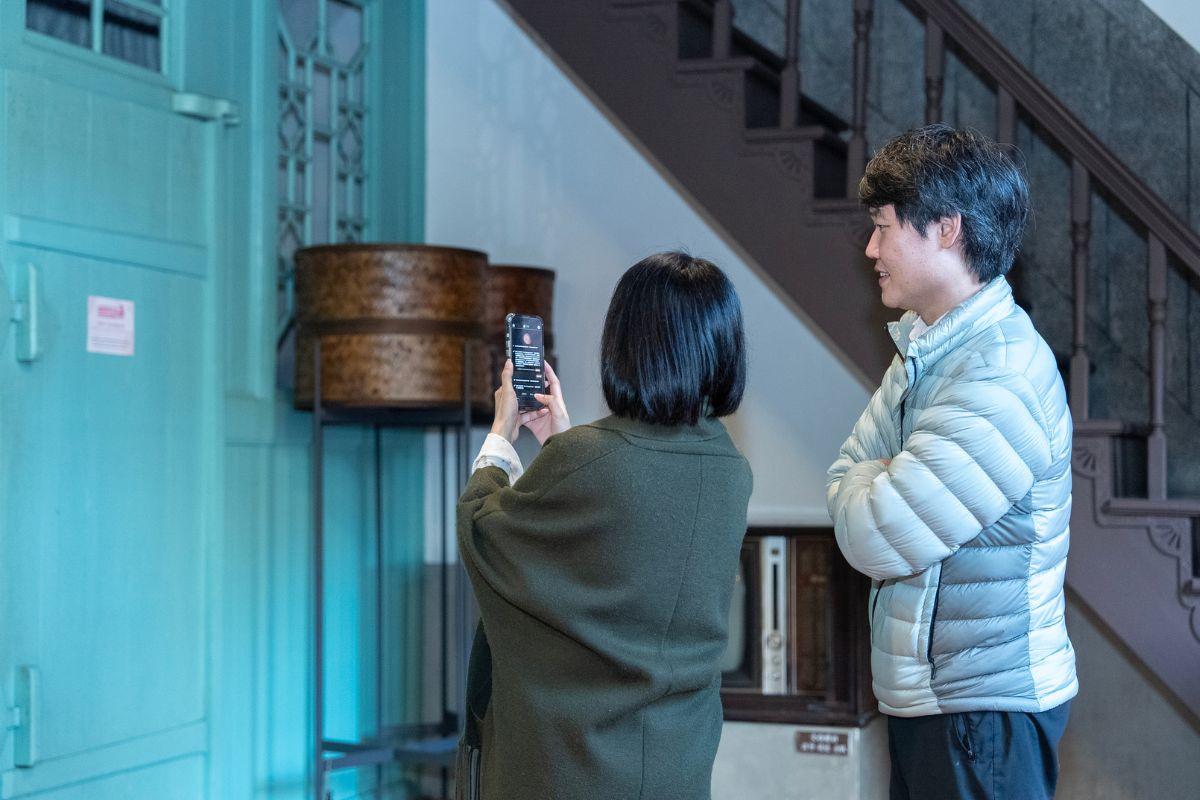
One of the core ideas of a smart museum is using technology to help visitors better understand the collections.
Source:King One Design
Q: Could you share some representative examples of smart museums in Taiwan?
Although the transition from digital applications to full digital transformation in museums is a long process, the National Museum of Marine Science and Technology in Keelung is a highly representative example of smart museum practice in Taiwan.
Smart museum applications are no longer limited to adding screens, animations, or interactive games. They have further evolved into building information management systems that enable more efficient operations. Instead of relying heavily on staff to monitor exhibition spaces, museums can now use system data to manage facilities more effectively, including predicting when equipment should be replaced or repaired. This helps reduce the risk of technical failures during visits and prevents negative visitor experiences caused by unexpected facility issues.
However, achieving smart museum management requires many supporting conditions. As Sin Hong Choon Tea House is a historic building, even with sufficient resources, it is still difficult to implement this level of smart infrastructure in terms of building management.
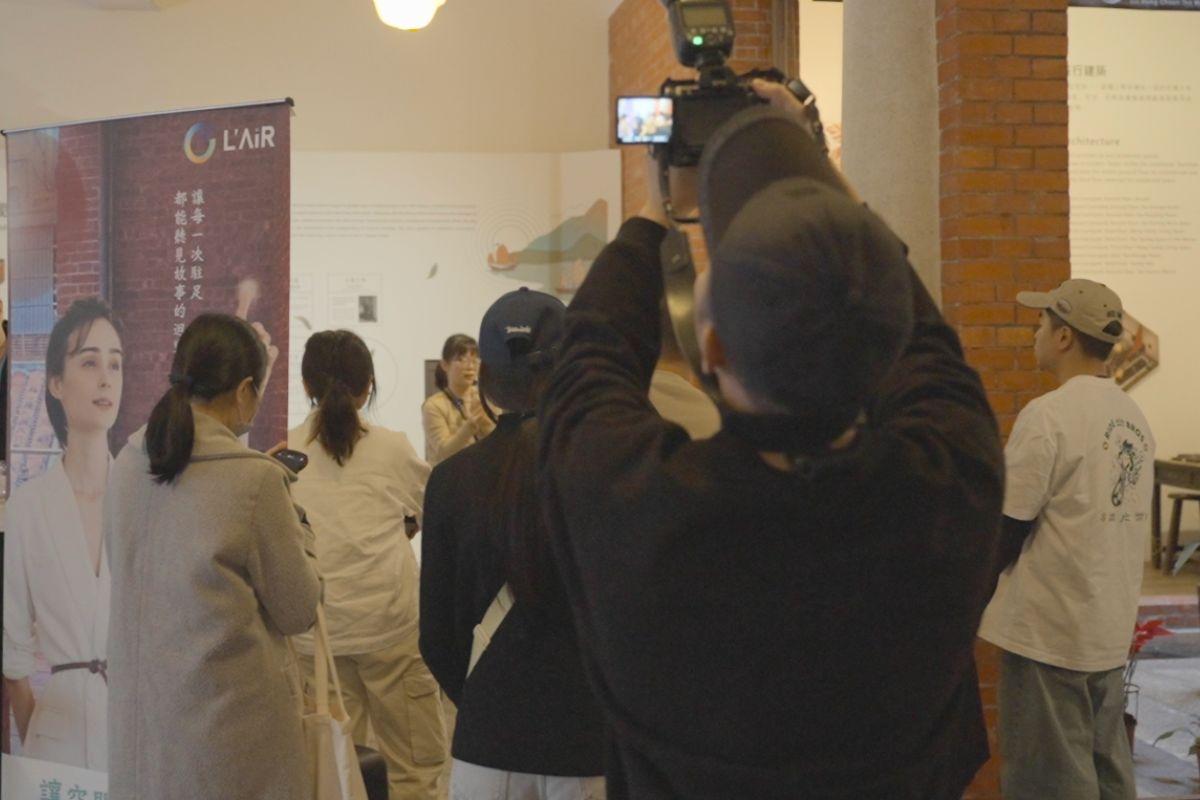
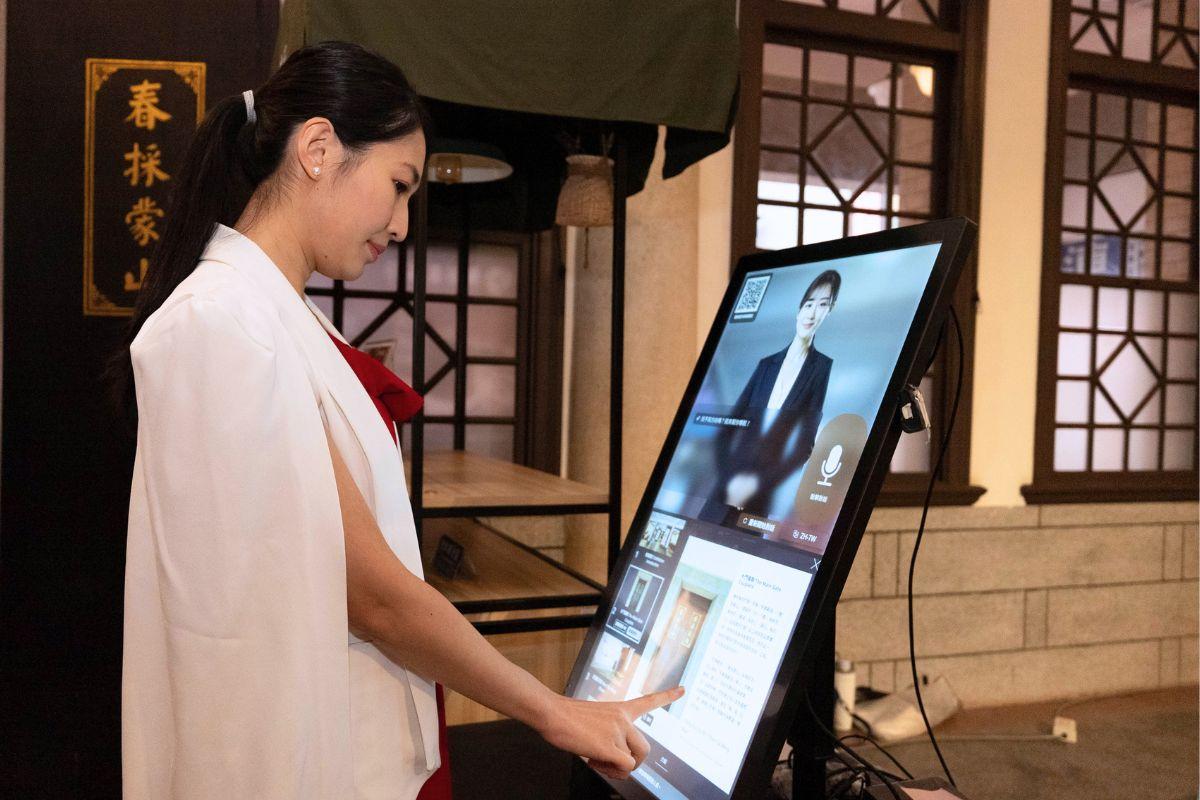
For us, the application of smart technology is mainly focused on enhancing visitor-friendly services and improving inclusivity. For example, digital guides can meet the needs of visitors in different languages, and diverse content formats beyond exhibition text can better serve audiences with varied interests.
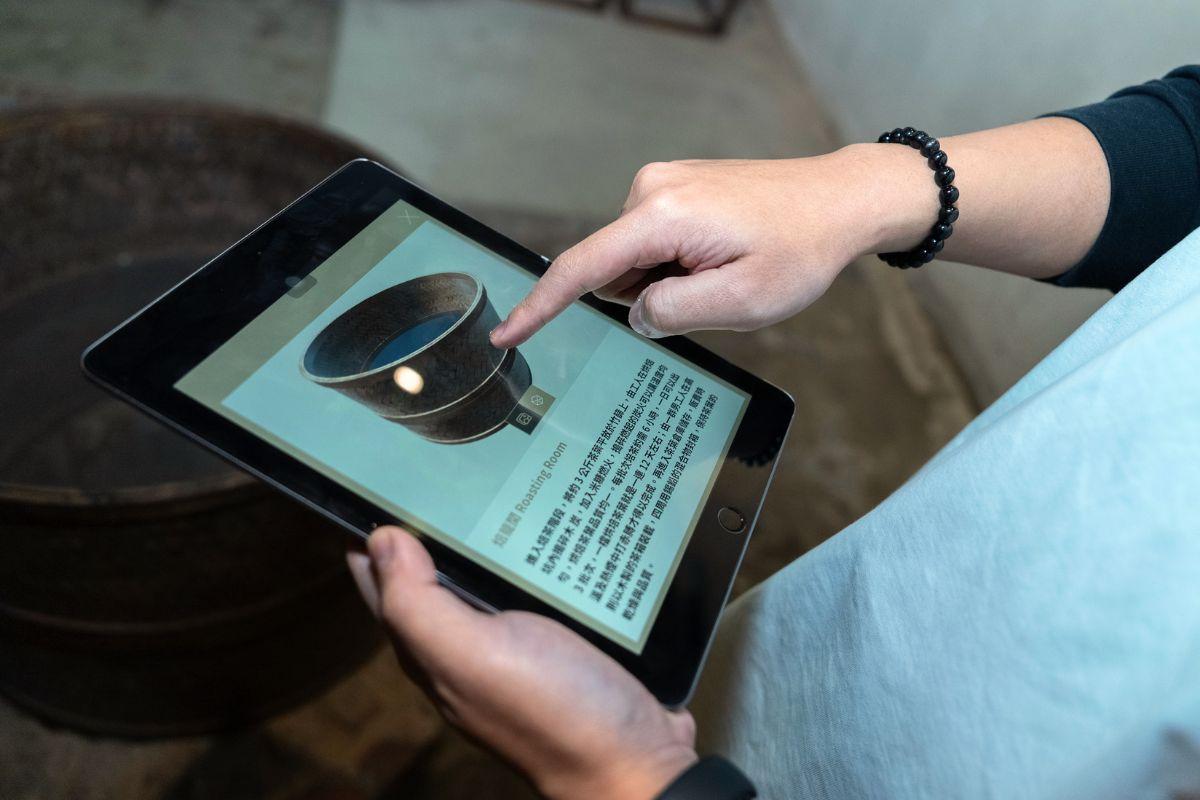
Providing diverse, non-text digital content through digital guides to meet different audience interests is also a practice of smart museums.
Source:King One Design
Q: In the development of museums in Taiwan and abroad, which cases of using digital technology to expand audiences have impressed you the most, and why?
In terms of using digital technology to meet the diverse interests of the public, the Rijksmuseum in the Netherlands is a highly inspiring example.
During the COVID-19 pandemic, it offered online guided tours, allowing people who had to stay at home to continue accessing art. Beyond that, it also used digital tools to keep its iconic collection—Rembrandt Harmenszoon van Rijn’s The Night Watch (1606–1669)—engaging with audiences even while the painting was under restoration.
Through the “Operation Night Watch” conservation project, the Rijksmuseum livestreamed the entire restoration process online. This allowed audiences to gain insight into art restoration while also learning about the professional knowledge and techniques behind it. By bringing what was traditionally a behind-the-scenes practice into the public eye, the project not only satisfied public curiosity but also further enhanced the accessibility of both the artwork and the museum itself.
In addition, the Rijksmuseum’s digital collection of high-resolution images not only serves researchers and audiences with a deep interest in art, but also enables broader applications and reinterpretations of artworks. This creates new value and even generates additional revenue for the museum.
Through these well-known museum cases, we can see that the integration of digital technology with culture and art does more than bring institutions closer to the public. It also lowers the barriers to museum engagement, shifting audiences from passive observation to active participation. At the same time, the use of technology improves operational efficiency and expands the professional possibilities within museum management.
Returning to Sin Hong Choon Tea House, by integrating digital technology, we are able to experiment with new ways of translating history and tradition into contemporary forms for younger generations. Our hope is to ensure that the meaning and value carried by this historic building can continue to be preserved and passed on.
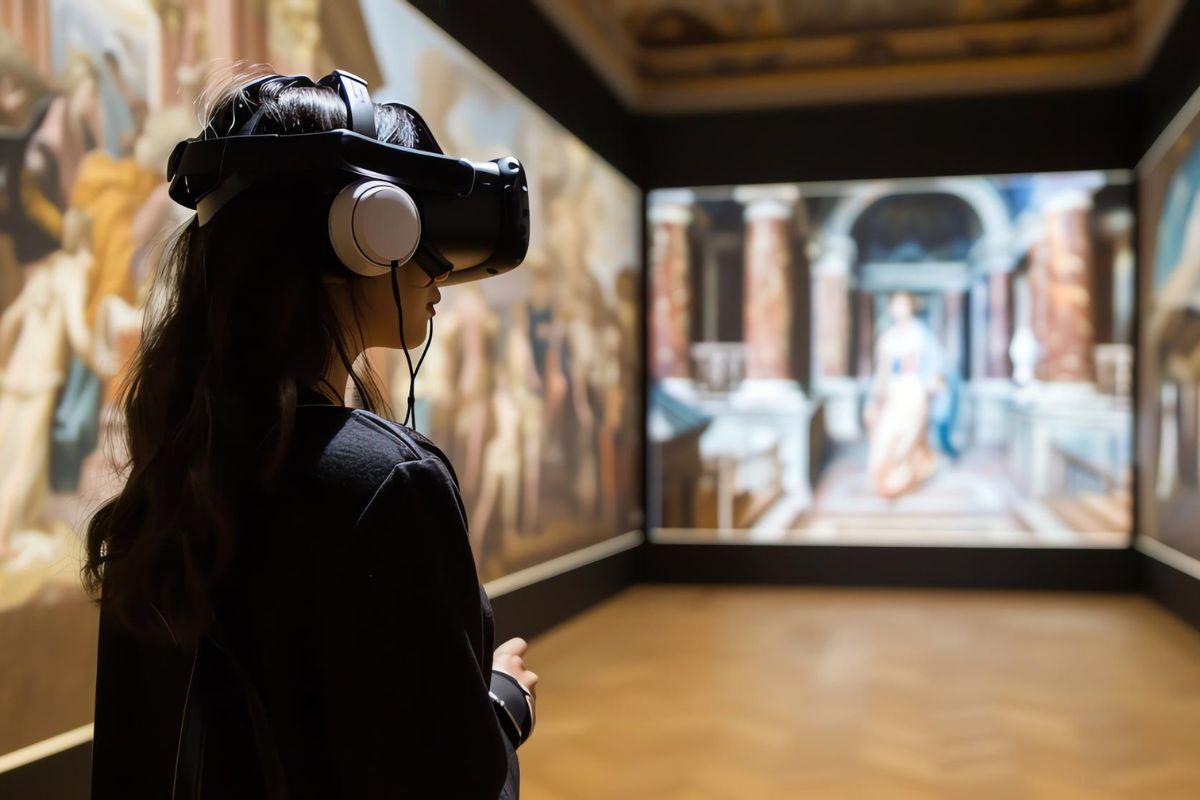
The integration of digital technology with culture and art shifts audiences from passive observation to active participation.
Source:FreePik
Conclusion: Striking a Balance Between Cultural Authenticity and Technological Innovation at Sin Hong Choon Tea House
Through this conversation with the Director, the practice of Sin Hong Choon Tea House demonstrates that the preservation of cultural heritage is no longer limited to “maintenance and display.” Instead, it is grounded in audience orientation and digital transformation, while continuously seeking ways to engage in dialogue with contemporary society.
From audience research to the adoption of technologies such as AR and digital guides, museums and historic sites are gradually shifting from static preservation toward interactive engagement. At the same time, both local and international cases show that digital technology not only enhances the visitor experience but also redefines the role of museums, positioning them as important platforms that connect knowledge, audiences, and society.
Looking ahead, how to strike a balance between cultural authenticity and technological innovation will remain a key challenge in the continued development of cultural spaces.
- 1
6 Different Types of Trade Show Booths You Need to Know
Brand Strategy
- 2
What is CIS? Corporate Identity Design that goes hand in hand with exhibition design
Tech Life & Trends
- 3
3D Logo - The Little Secret in Exhibition Design
Exclusive Perspective
- 4
What is the definition of Experiential Marketing? From 5 perspectives, you will get it!
Tech Life & Trends
- 5
Fly Your Own Airplane - AR Interactive Experience Activity with ANA Airlines
Digital Transformation
- 6
6 Steps to Make Your Own Instagram Filter!
Digital Transformation
Profile of Director Shih-Yu Chen|Shih-Yu Chen is currently the Director of the Sin Hong Choon Tea House, a designated historic site in Dadaocheng, Taipei. She holds a Master’s degree in Material Anthropology and Museum Ethnography, University of Oxford. , UK, and a PhD in Cultural Heritage from the University of Birmingham, UK.She has previously served as a research fellow at the Business School of the University of Greenwich in the UK and worked with the Smart Museum Project Office of Taiwan’s Ministry of Education.Her work focuses on museum management, audience research, and exhibition interpretation and storytelling. She is dedicated to transforming cultural heritage rooted in history and tradition into inclusive and innovative contemporary cultural spaces.