







Making Coal Mining Heritage “Speak”: AI and AR Revitalizes the XPX Taiwan Coal Mine Museum — An Interview with Director Gong Jiunn-yih
Catalog
- Safeguarding Taiwan’s coal mining memory, balancing rational management with emotional preservation.
- Q:What are the main visitor groups currently observed at XPX Taiwan Coal Mine Museum, and could you briefly share its current operational status?
- Q:Why did the Director choose to take on coal mining preservation? What is the greatest value of coal mining culture today?
- Q:How do you view the relationship between AI guide systems , AR Tour Guide and human-guided tours in the context of digital transformation?
- Q:What does the Director consider to be the biggest challenge in operating a private museum today?
- Q:What are your views on regional revitalization, and your vision for the future of Pingxi?
- Conclusion: AI & AR Digital technology brings new narratives to life at XPX Taiwan Coal Mine Museum.
Source : XPX Taiwan Coal Mine Museum,King One Design
Safeguarding Taiwan’s coal mining memory, balancing rational management with emotional preservation.
Deep in the forested mountains of Pingxi, New Taipei, there is a museum that quietly preserves the traces of an era. It is neither heavily promoted nor located along mainstream tourist routes, yet on weekends it still draws families and international visitors who come in a gentle flow—riding the small train, passing through mining tunnels, and listening to stories about Taiwan’s coal mining history.
This privately operated museum, XPX Taiwan Coal Mine Museum, is led by Director Jiunn-yih Gong, who places the preservation of coal mining cultural heritage at its core mission. He has continuously invested substantial resources in maintaining the mining area and settlement ruins, while also embracing diverse and innovative possibilities. The museum has introduced the AI immersive guided tour TAG and the AI Smart Guide Kiosk, enabling visitors to independently explore the history of coal mining and the stories embedded in the site. This approach enhances the depth of understanding while improving the efficiency of guided tours.
From the perspective of a museum operator, the director also reflects on the value of preserving coal mining artifacts and the ongoing challenge of balancing rational management with emotional preservation within a museum setting.
Source : King One Design
Q:What are the main visitor groups currently observed at XPX Taiwan Coal Mine Museum, and could you briefly share its current operational status?
A: The main visitor group of XPX Taiwan Coal Mine Museum is primarily families with children, who respond well to hands-on activities and the small train tour, creating a natural peak in weekend family visits. On weekdays, the museum mainly receives pre-booked group tours. Visitor numbers are also highly weather-dependent; on good weather days, daily attendance can reach up to 400 people, with particularly lively periods during the July and August summer holidays.
The Pingxi area also receives a significant number of international visitors. However, many of them only stop for sky lantern experiences before leaving, which the museum considers a missed opportunity. As a result, efforts have been made to strengthen engagement with visitors from Japan, Europe, and the United States. International tourists are generally very interested in Taiwan’s culture and history, and the AI Smart Guide Kiosk supports multiple languages, allowing them to gain a deeper understanding of the site.
In terms of operations, due to budget considerations, the museum does relatively little external promotion and instead dedicates about 90% of its efforts to cultural heritage preservation—such as restoring rail tracks, mining artifacts, and equipment, all of which require significant maintenance work. We currently offer rides on a national-treasure-class historic mining electric locomotive as part of the event and a 30-minute site tour. However, as many visitors are less interested in long guided explanations, the museum has introduced the L’AiR TAG augmented reality guide, which is environmentally friendly and allows visitors to independently explore the content at their own pace.
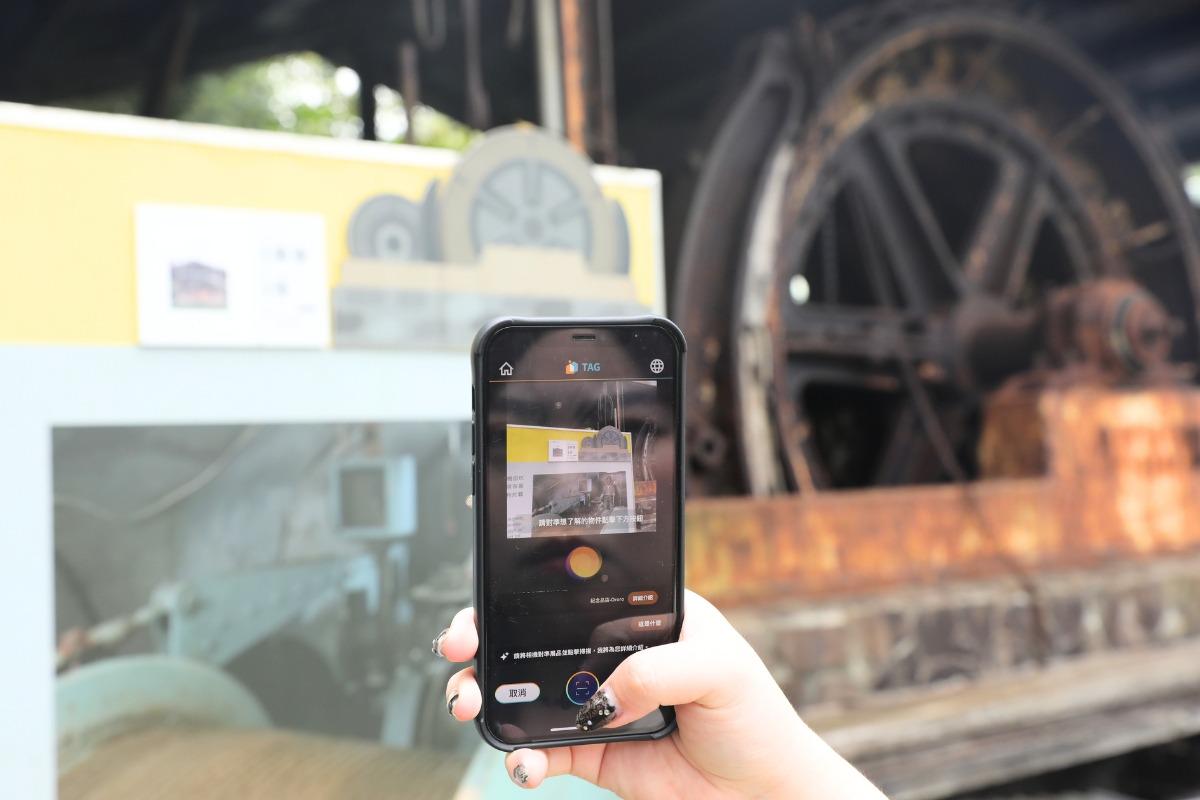
The Seeulair TAG augmented reality guided system is environmentally friendly and also allows visitors to independently access and explore the tour content at their own pace.
Source : King One Design
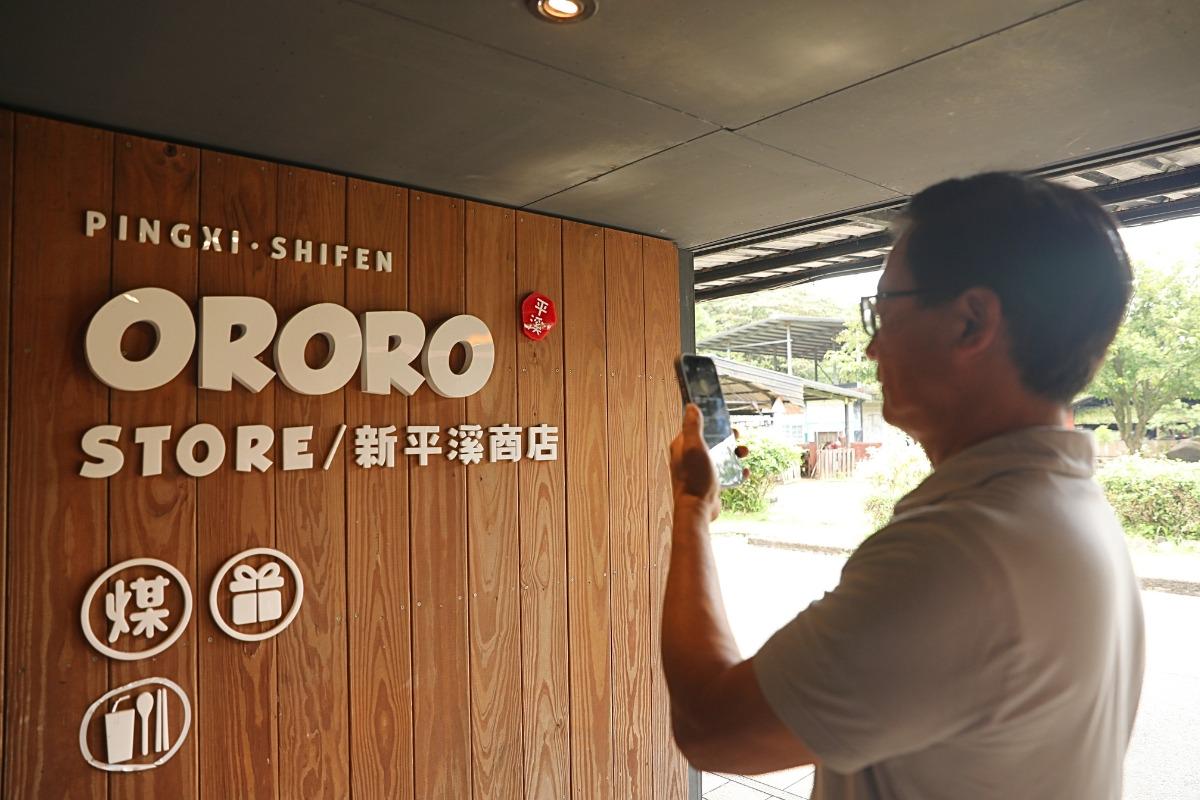
By opening the TAG app and scanning points of interest within the site, the AI automatically recognizes the scene and provides relevant guided tour content.
Source : King One Design
Q:Why did the Director choose to take on coal mining preservation? What is the greatest value of coal mining culture today?
A: I used to work for a company in Canada that specialized in promotional gifts for the alcoholic beverage industry. I returned to Taiwan to help my aging father keep the museum running.
My grandfather began mining in Keelung in the 1950s. Later, when the XPX Coal Mine ceased operations and was officially closed in 1997, my father was determined to preserve the mine and transform it into a museum. At first, our family did not support the idea. We thought it would be too difficult to operate, too expensive to maintain, and nearly impossible to compete with publicly funded museums. However, as I gradually became involved, I came to understand the significance of what he was trying to accomplish.
Taiwan's coal mining industry was once a vital foundation of the country's energy supply and played an important role in the historical development of industry in Taiwan, as well as in its connections with Japan, Europe, and North America. Over time, however, that history has gradually faded from public memory. If no one takes responsibility for documenting and preserving it, this chapter of Taiwan's history could soon disappear.
Managing the museum has therefore become a cultural responsibility. Coal mining is an irreplaceable part of Taiwan's industrial heritage, and once it is lost, it can never be recovered. That is why I believe it must be preserved. The XPX Coal Mine was the last coal mine in Taiwan to cease production, and today it remains the country's most comprehensively preserved coal mining site. At the end of 2024, ten facilities within the mining area were officially designated as a cluster of historic buildings by the New Taipei City Government.
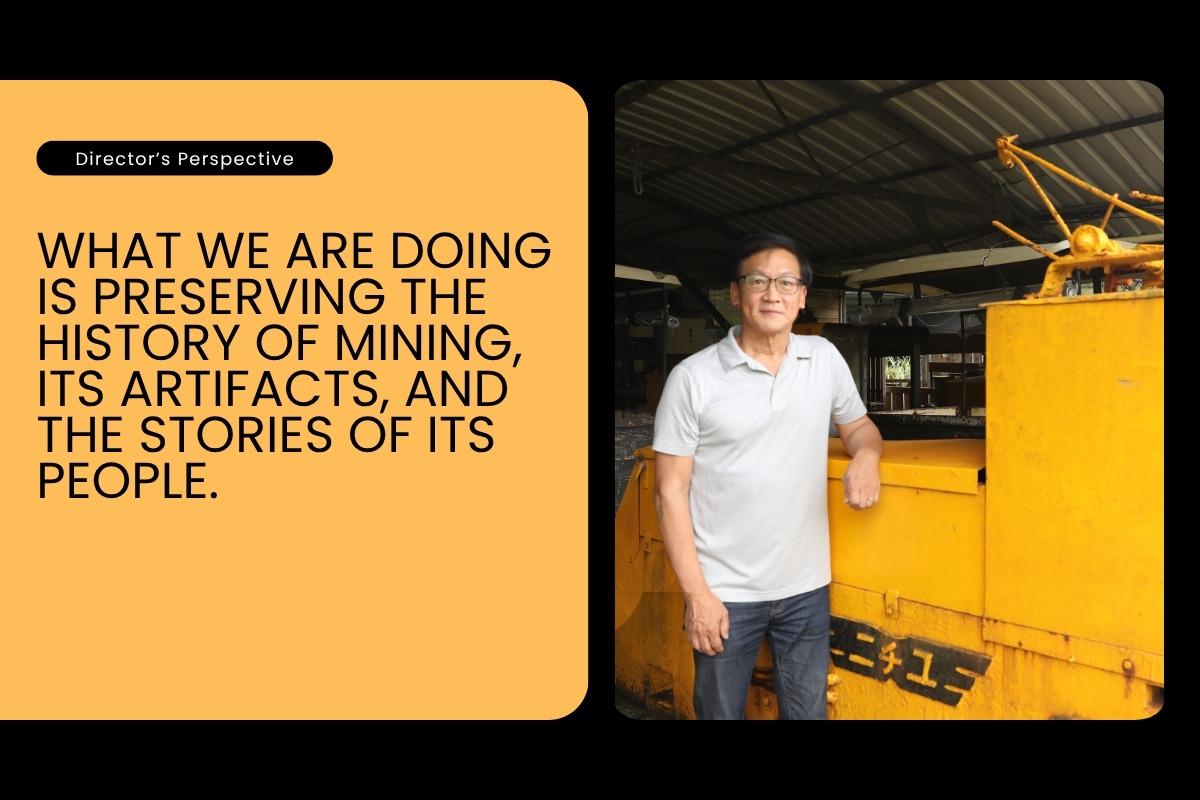
Our mission goes beyond preserving the mine's buildings and machinery. We are also safeguarding the entire history of the mining operation—its production systems, mining processes, the lives of miners, and the memories and stories of the community.
The XPX Coal Mine was closely connected with the Shifen community. Fifty years ago, the mine employed more than 500 miners, while Shifen Elementary School enrolled over 1,200 children from mining families. Behind these numbers are the stories of hundreds of mining households. The site also represents the broader history of the Pingxi railway, which once served more than a dozen coal mines along its route.
Beyond its local significance, the museum also serves as a platform for international cultural exchange. Taiwan's mining industry has long-standing historical and technological connections with Japan and Europe. Today, the museum is building partnerships with sister museums overseas and promoting international cultural collaboration, creating an important gateway for people around the world to better understand Taiwan's history and the development of this land.
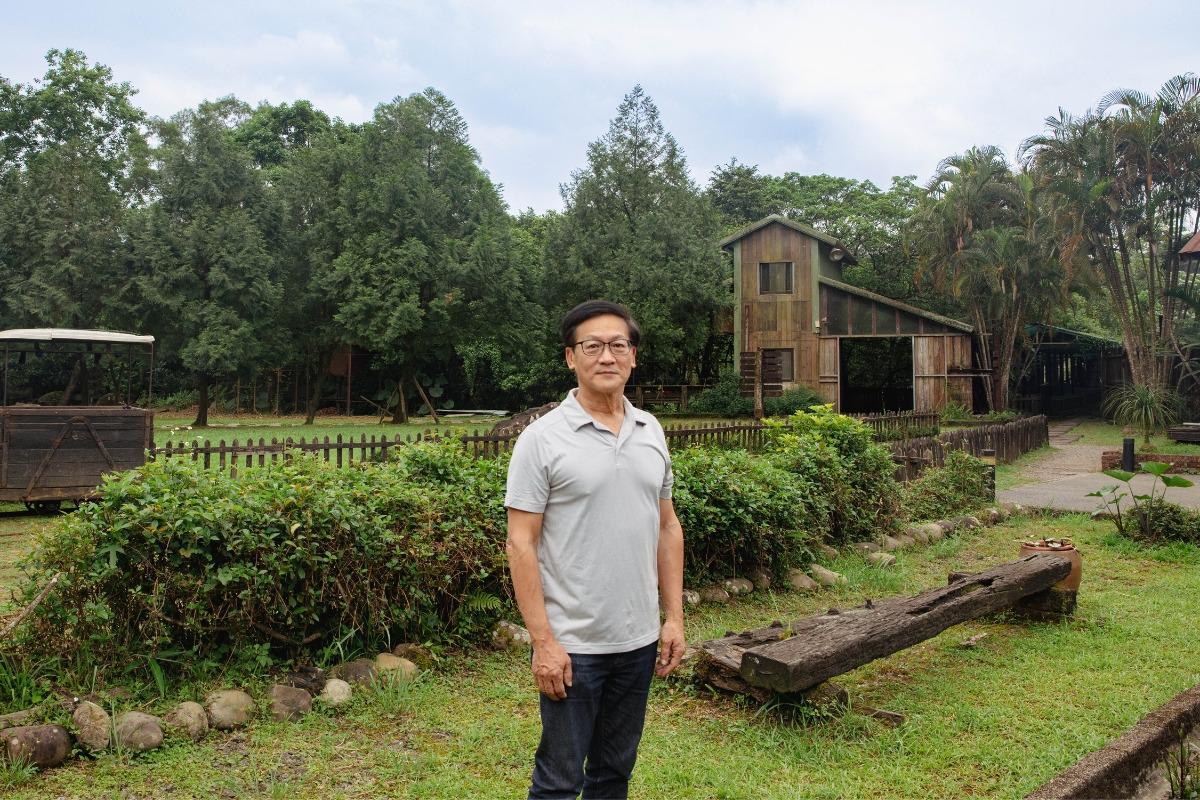
Operating the XPX Coal Mine Museum Park is about more than preserving its buildings and machinery; it is also about safeguarding the history of the entire mining operation, the lives of miners, and their memories and stories.
Source : King One Design
Q:How do you view the relationship between AI guide systems , AR Tour Guide and human-guided tours in the context of digital transformation?
A: I believe AI guide systems and human-guided tours are not in opposition—they are more of a complementary relationship.
In our site, the greatest value of AI or digital guiding tools is making basic information more easily accessible. Because our manpower is limited, we cannot provide on-site guides at every location at all times. Therefore, tools such as AI guides, mobile guides, or augmented reality systems help fill the gap in frontline interpretation, allowing visitors to quickly understand the history and stories of the site.
I have also tried introducing various technologies in the past, such as location-based systems or other app-based guiding platforms. However, in actual operation, we found several practical issues—such as high user barriers, phone storage limitations, complicated interfaces, and even concerns about fraud or security risks. Because of this, I now tend to prefer digital tools that are simple and easy to use.
Given the current conditions of our site, the Seeulair AI guide system is particularly suitable for us. With limited manpower and a gradually growing number of visitors, we are very willing to continue developing this kind of lightweight, easy-to-operate “smart guiding system.”
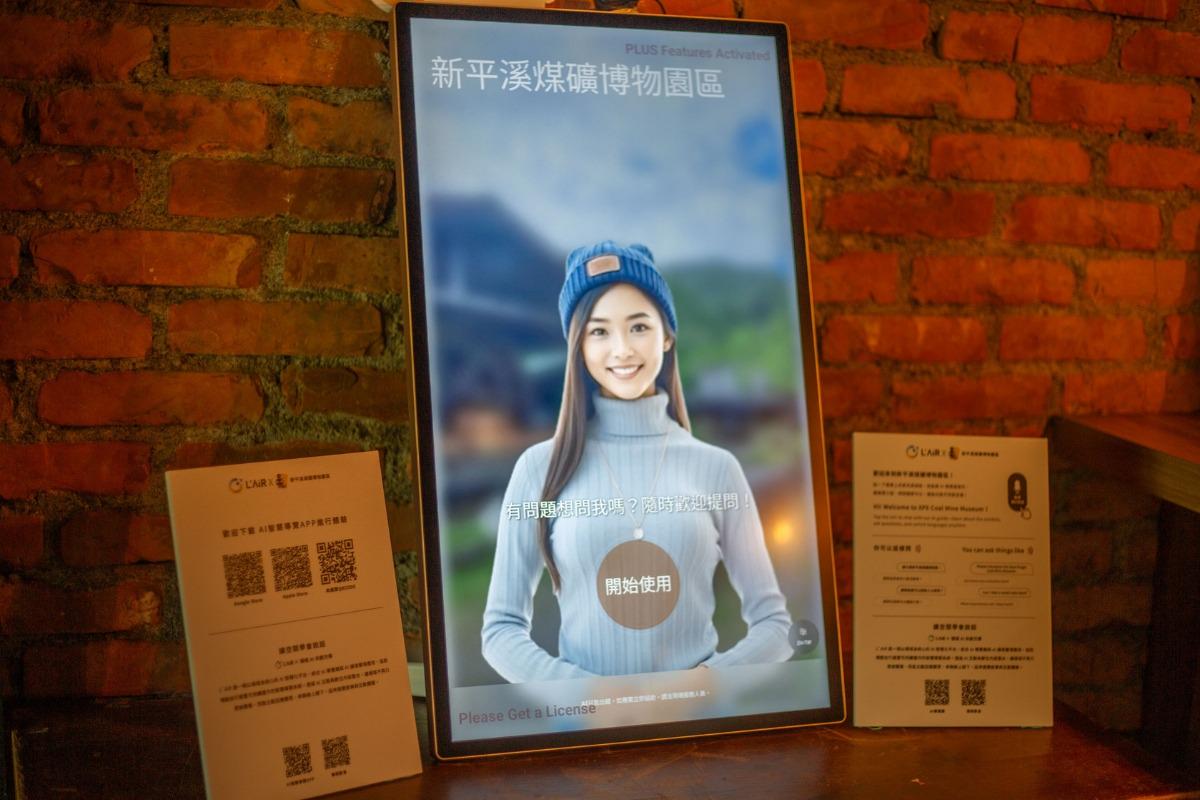
The Seeulair AI guide system provides multilingual support, allowing international visitors in the park to easily access in-depth information.
Source : King One Design
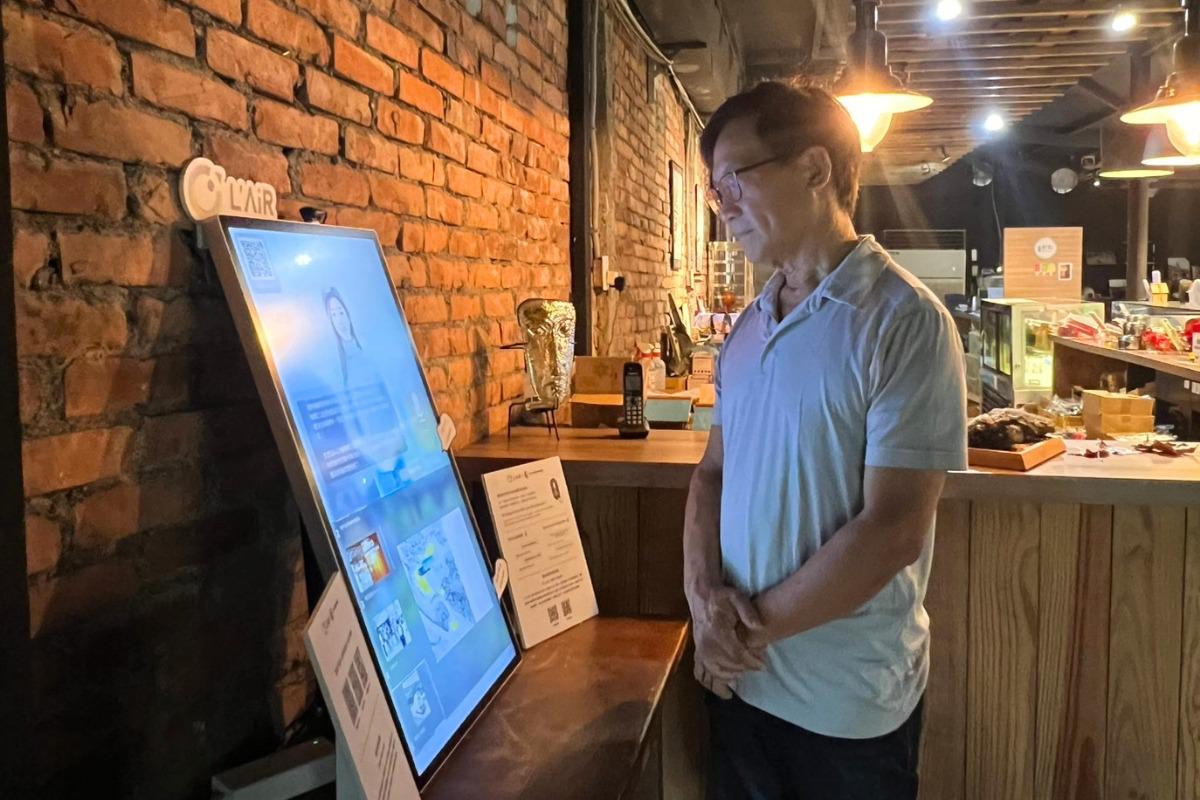
The AI Smart Guide Kiosk offers audio guidance, online exhibition browsing, and spatial positioning functions, providing visitors with an interactive guided tour experience.
Source : King One Design
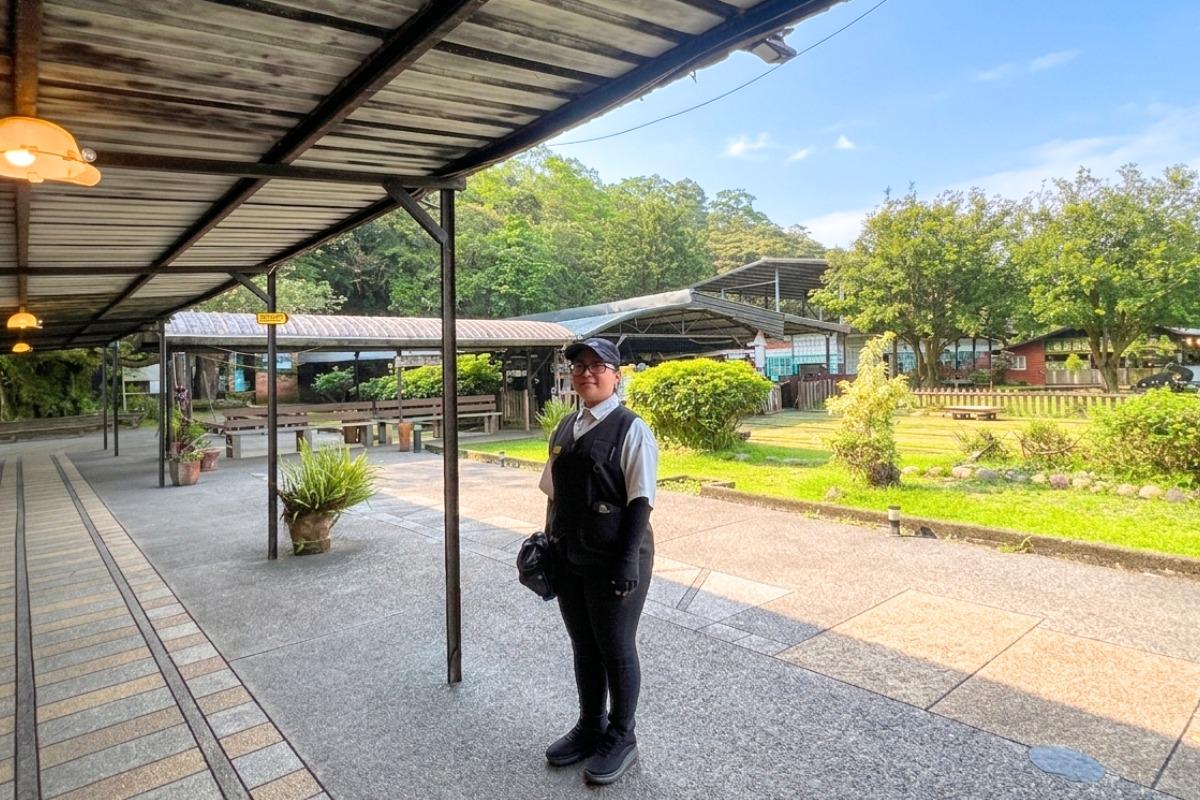
Professional guide Ms. Wang is responsible for scheduled in-depth commentary at designated points. She works in complement with the AI Smart Guide Kiosk, which provides basic guidance and multilingual services, together jointly telling the story of the site.
Source : King One Design
Q:What does the Director consider to be the biggest challenge in operating a private museum today?
A: First, it is the lack of resources and funding. Unlike public museums, we do not have stable budget support. Many tasks—such as equipment maintenance, repairs, documentation, and even daily operations—are all sustained by ourselves.
The site spans a 1.2-kilometer route, not just a single building but an entire mining area and circulation system, which requires a great deal of maintenance. Naturally, the costs are very high.
Second, there are limitations in manpower. A mining heritage site like ours is a dynamic environment, with railways, tunnels, and various facilities. The conditions are humid and rainy, so deterioration happens easily. Without continuous maintenance, the site can quickly degrade. Managing this with limited staff requires significant time and physical effort.
Finally, there is the balance between commercialization and cultural preservation. If we pursue large-scale commercial development, such as restaurants or souvenir businesses, it could increase revenue but would also risk damaging the original cultural atmosphere. However, if we focus entirely on preservation, we face insufficient income to sustain operations.
So for me, the greatest challenge is maintaining both cultural preservation and operational sustainability under limited resources—balancing these two priorities at the same time.
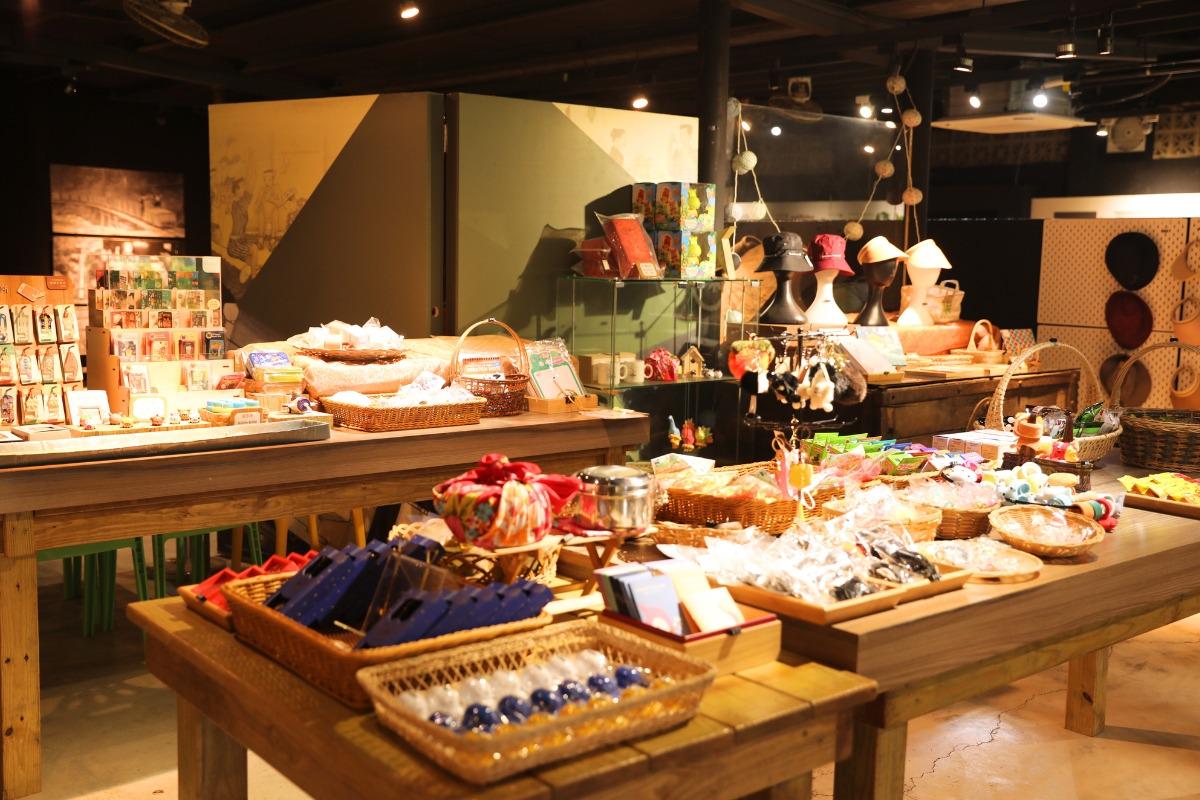
Maintaining both “cultural preservation” and “basic operational sustainability” is the key challenge in operating XPX Taiwan Coal Mine Museum.
Source : King One Design
Q:What are your views on regional revitalization, and your vision for the future of Pingxi?
A : To be honest, I've always kept a certain distance from the term "regional revitalization" because there are simply too many variables involved. Its success depends on two key factors: available resources and government policy.
More than a decade ago, I was already thinking about how industrial heritage preservation could be integrated with regional revitalization. My focus was on how to bring the mining community back to life, rather than simply preserving it as a historical site, and how its cultural heritage could be meaningfully incorporated into local development.
When the government began promoting regional revitalization in 2019, I proposed two concrete directions. First, to develop an “international mining heritage park,” connecting Taiwan’s mining culture to a global context through international exchange.
Second, to position Pingxi as an “international blessing town.” Although the area receives around five million visitors a year, about 60% of whom are international tourists, the region is mostly known only for sky lanterns. That is somewhat a pity, as the idea of “blessing” could be developed into a richer cultural experience rather than a single symbol.
I believe Pingxi has very strong conditions for development, including its railway system, mining history, complete settlement structure, and rich local stories. It has great potential to become a destination for in-depth tourism or even multi-hour experiences beyond a simple day trip.
What we can do now is steadily strengthen cultural content, storytelling, and international connections step by step. When systems, regulations, and resources are eventually in place, I hope it can help address population decline and naturally support local development, while also allowing visitors to experience a more well-planned and meaningful tourism journey.
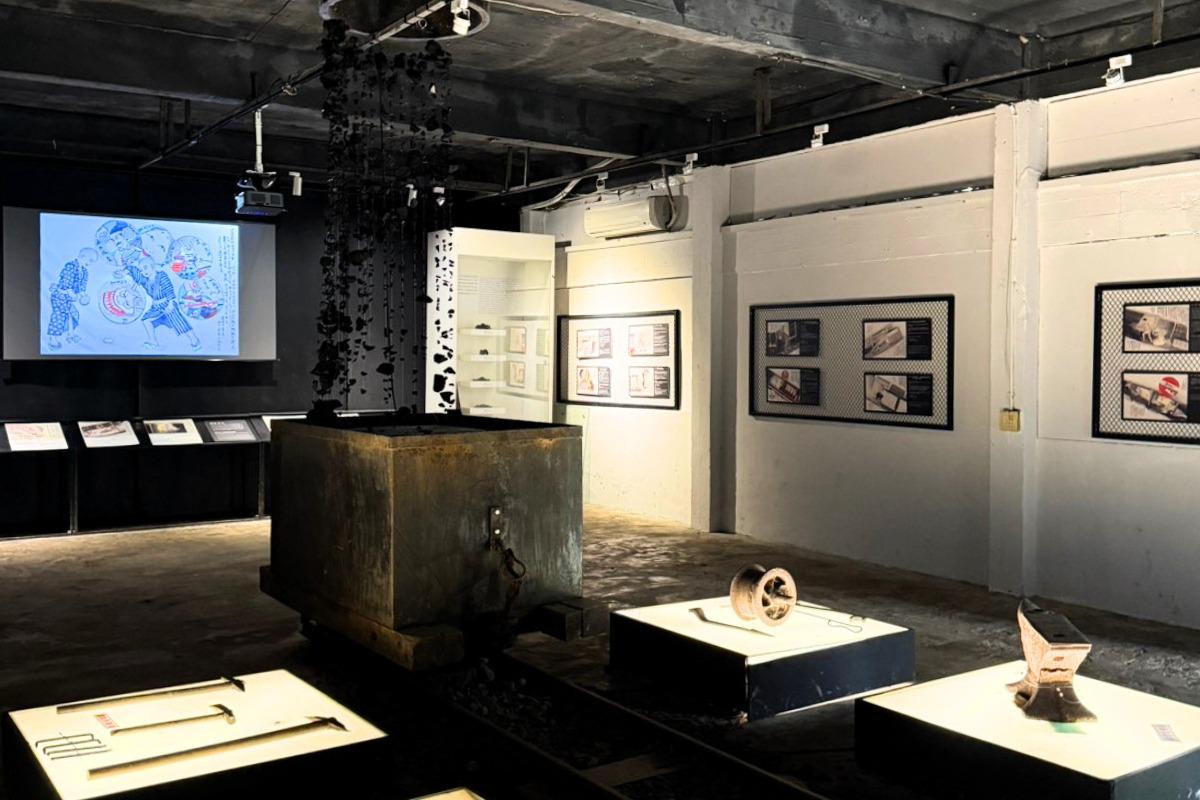
Local cultural venues should first focus on strengthening culture, content, and international connections, with the hope that in the future visitors can enjoy more well-structured and thoughtfully planned tourism experiences.
Source : King One Design
Conclusion: AI & AR Digital technology brings new narratives to life at XPX Taiwan Coal Mine Museum.
Through this interview with Director Jiunn-yih Gong, we gain insight into the operational challenges of XPX Taiwan Coal Mine Museum, as well as his strong commitment to promoting Taiwan’s coal mining culture and connecting it with the international community.
The introduction of AI guided tour technology helps address manpower shortages, enhances interactive visitor experiences, and reduces communication barriers with international tourists, thereby further promoting Taiwan’s historical narratives.
At the same time, audiences are shifting from passive viewing to active exploration. Whether they are families or foreign travelers, visitors can build deeper connections with history through digital technology and storytelling.
How to balance the mission of cultural preservation with the sustainability of site operations will remain a key challenge for many local cultural institutions in the future.
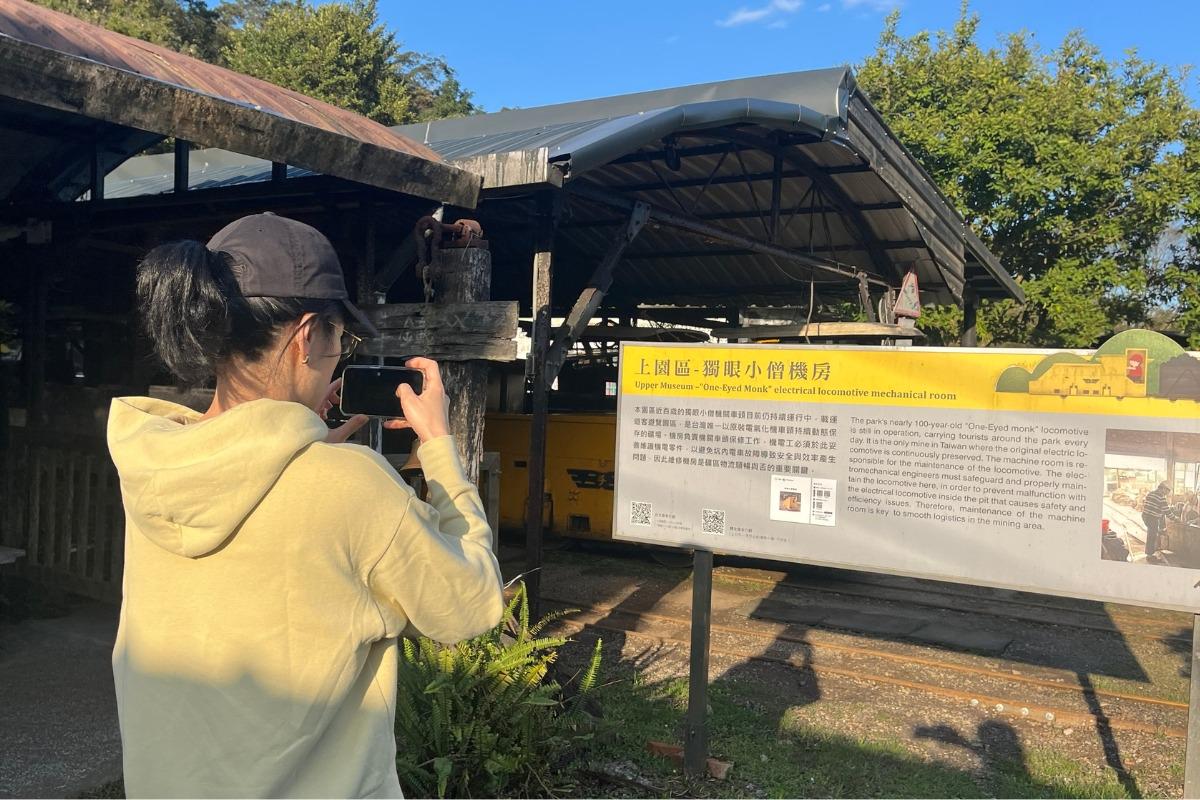
Family visitors and international travelers can build deeper connections with history through digital technology and storytelling.
Source : King One Design

- 1
6 Different Types of Trade Show Booths You Need to Know
Brand Strategy
- 2
What is CIS? Corporate Identity Design that goes hand in hand with exhibition design
Tech Life & Trends
- 3
6 Steps to Make Your Own Instagram Filter!
Digital Transformation
- 4
3D Logo - The Little Secret in Exhibition Design
Exclusive Perspective
- 5
Fly Your Own Airplane - AR Interactive Experience Activity with ANA Airlines
Digital Transformation
- 6
What is the definition of Experiential Marketing? From 5 perspectives, you will get it!
Tech Life & Trends
Director Jiunn-yih Gong was born in Keelung City. In 2008, he participated in the rehabilitation project of the Xin Pingxi coal mine. In 2014, he took over the operation of the XPX Taiwan Coal Mine Museum from his father.
He served as Chairman of the Taiwan Mining Economy and Culture Promotion Association for eight years, dedicating himself for many years to the promotion of mining culture and the preservation of historical records. In recent years, he has actively advanced international exchanges and cooperation with coal mining–related museums in Japan.