









What are AR, VR, MR, XR? Quickly popularize their differences and applications in one minute!
Catalog
- What are AR, VR, MR, and XR?
- What is the difference between AR and VR?
- What is the difference between MR and XR?
- Deep Dive: Applications, Technologies, and Devices of AR, VR, MR, and XR
- AR (Augmented Reality)
- VR (Virtual Reality)
- MR (Mixed Reality)
- XR (Extended Reality)
- AR, VR, MR, XR Classic Case Studies.
- AR Augmented Reality (Game) - Pokémon GO
- VR Virtual Reality (Learning) - Holoroom How To
- MR (Mixed Reality) - The Intersection of Reality and Virtuality
- XR Extended Reality (Taste Experience) - Aerobanquets RMX
- Wide range of future applications: The key to winning in the Metaverse transition.
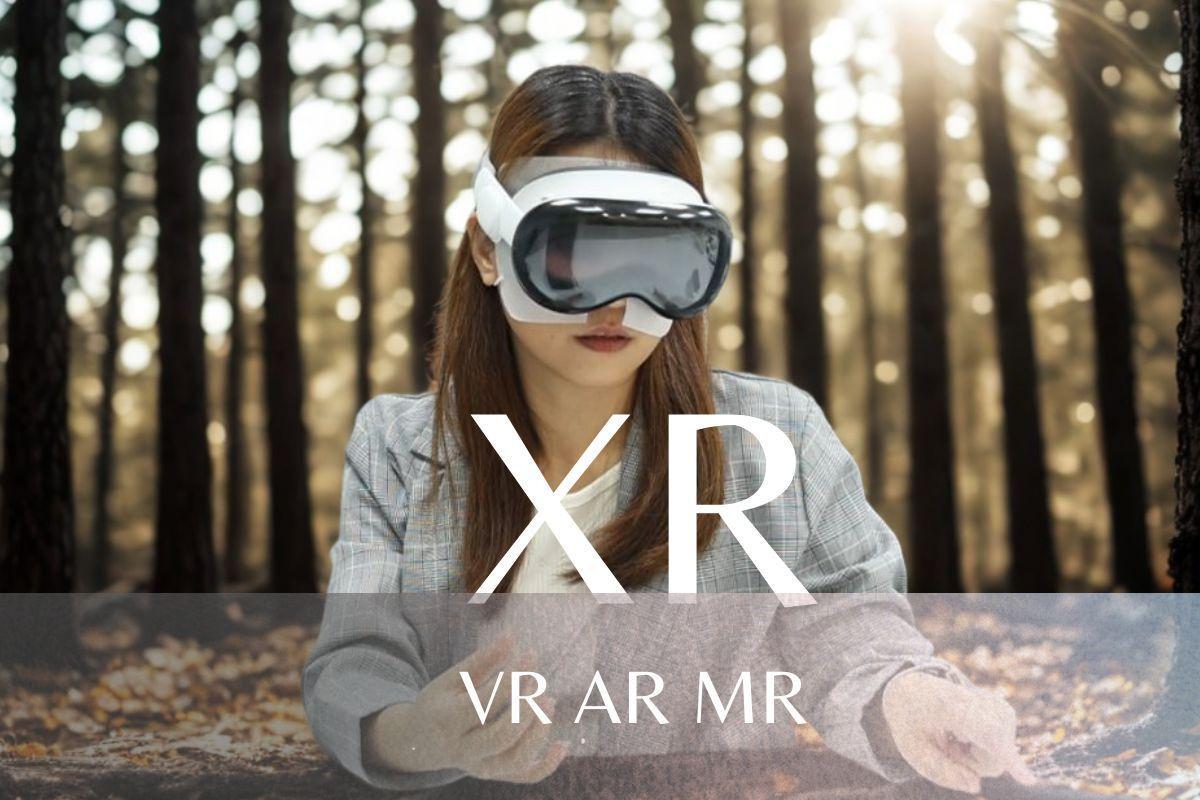
AR, VR, MR, XR? Why are there so many "Rs"? Along with the rapid advancement of technology, the integration of virtual and physical worlds—AR (Augmented Reality) and VR (Virtual Reality)—has gradually expanded into numerous industries. Looking back from 2026 at the "Metaverse" craze of 2021, the vision of that time has now become part of our daily lives. Meanwhile, the rise of MR (Mixed Reality) and XR (Extended Reality) has also gained significant momentum, profoundly challenging our sensory and interactive experiences.
In today’s article, we’ll provide a quick primer on these "R" technologies. We will explore their differences, their ideal applications, and wrap up with some famous real-world examples of AR, VR, MR, and XR. You'll get the full picture in just one minute!
What are AR, VR, MR, and XR?
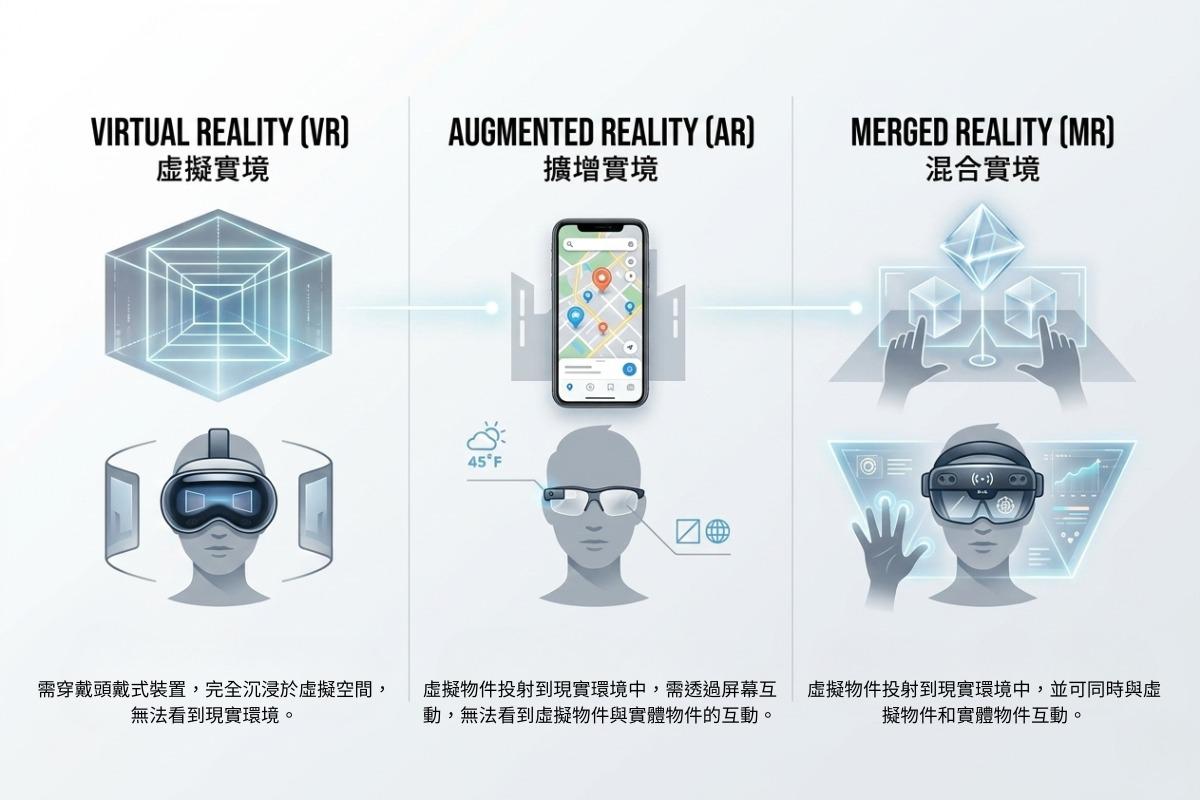
AR, VR, MR, XR summary
What is the difference between AR and VR?
AR (Augmented Reality)
VR (Virtual Reality)
Virtual Reality. VR blocks out the real environment, completely immersing the user in a virtual world presented through a head-mounted display.
The primary difference between AR and VR lies in whether the real-world environment remains visible.
The former, Augmented Reality (AR), allows users to see "augmented" virtual objects within their actual physical surroundings. The latter, Virtual Reality (VR), means the user cannot see the real world during the experience; as a result, the sensory stimulation in VR provides a much more immersive experience. A "god-tier" example of VR is the famous Netflix series Black Mirror, where two protagonists put on neural-link devices to transform into virtual characters in a fighting game, engaging in intense combat!
Consequently, when it comes to practical design, VR naturally requires greater computing power and a stable network connection. Moreover, creating a fully virtual environment demands advanced 3D modeling techniques to truly transport the user into the scenario.
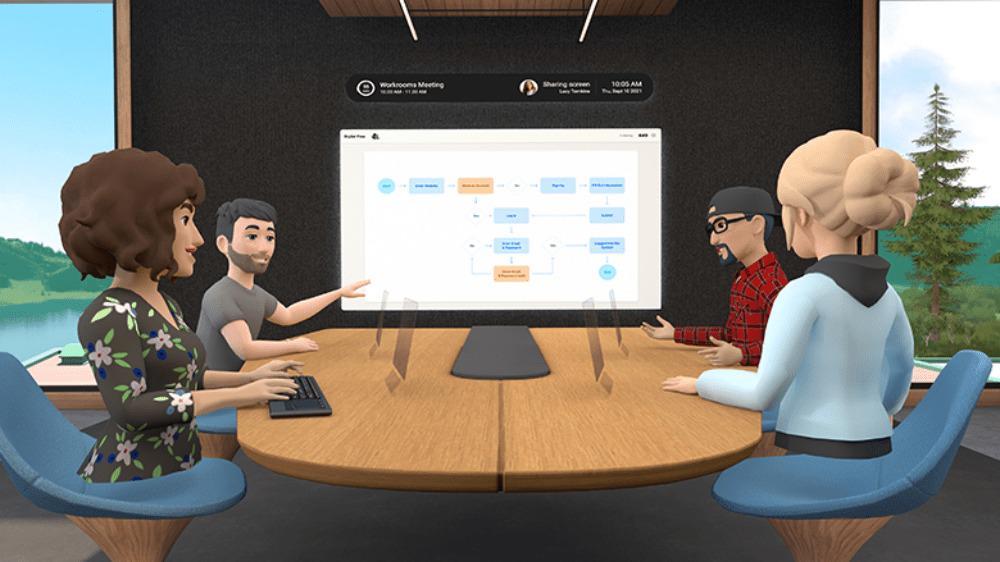
Characters in virtual reality require powerful 3D modeling techniques.
What is the difference between MR and XR?
Both MR and XR are relatively new technical terms that extend from the foundational technologies of AR and VR.
MR and XR place a greater emphasis on the integration of virtual and physical worlds. By utilizing high-intensity and high-precision 3D modeling in virtual environments, they provide users with a profound immersive experience while significantly enhancing the diversity of interaction between virtual and real elements.
MR (Mixed Reality)
Mixed Reality. MR is an integrated application of AR and VR, typically involving a head-mounted display. In MR, virtual objects can interact directly with the real-world environment.
XR (Extended Reality)
X-Reality or Extended Reality. Extended Reality (XR) is the collective term for VR, AR, and MR. It is currently used as a synonym for "integrated AR, VR, and MR technologies."
Deep Dive: Applications, Technologies, and Devices of AR, VR, MR, and XR
AR App
AR (Augmented Reality)
- Common Applications: Smart Marketing, Smart Healthcare, Smart Cities, Industry 4.0
- Related Technologies: IoT, AI, Image Detection, Motion Sensing, 3D Modeling
- Devices Used: See-through devices, such as AR glasses and smartphones.
Overview and Origins
Augmented Reality (AR) was originally developed for military purposes to simulate real-world combat scenarios. Today, it has expanded into widespread commercial use.
Diverse Industry Applications
Common formats of AR include gaming, guided tours, and applications within the exhibition industry. Key examples include:
Exhibitions: Displaying machinery at tool machine trade shows.
Industrial Maintenance: Performing remote equipment repairs using AR glasses.
Healthcare: Facilitating remote surgeries for patients on offshore islands.
Marketing: Showcasing products through interactive AR gaming apps.
VR (Virtual Reality)
- Common Applications: Metaverse, Smart Marketing, Industry 4.0, Vocational Training, Video Games
- Related Technologies: Motion Sensing, 3D Modeling (Scenery)
- Devices Used: Opaque head-mounted displays (HMDs), such as VIVE and Oculus VR
Core Overview and Applications
Virtual Reality (VR) is primarily applied in experiential marketing, simulation training, and vocational training. Experiential marketing, which emphasizes "empathy," allows consumers to perceive the most authentic experience possible within a VR environment.
Advantages of Simulation Training
In terms of simulation and direct training, the risk of operation is significantly reduced within the virtual world. Furthermore, it minimizes the wear and tear of physical equipment, effectively killing two birds with one stone by balancing safety and cost-efficiency.
Future Trends
The technology has now expanded to the consumer market through virtual showrooms and VR games. Even the recent trending topic, the Metaverse, is constructed using these very principles!
Further Reading: Why is VR so popular? The new digital business opportunities that even tech giants are eyeing.
MR (Mixed Reality)
- Common Applications: Metaverse, Smart Marketing, Industry 4.0, Vocational Training, Video Games
- Related Technologies: Motion Sensing, 3D Modeling (Scenery)
- Devices Used: Microsoft HoloLens
Overview and Application Range
The application range of Mixed Reality (MR) largely overlaps with AR and VR, spanning from simulation and vocational training to various commercial uses. With the rapid advancement of 5G technology and the decreasing cost of hardware, we are bound to see even broader and more diverse applications in the near future.
Interactive Experience
To give a simple example: imagine coming home from work and putting on your MR device to watch Chef Gordon Ramsay’s cooking show. The chef himself would step out of the traditional screen and appear right before your eyes, chopping vegetables and searing steaks. No matter how you move your head or change your line of sight, he will remain perfectly aligned and oriented toward you!
XR (Extended Reality)
- Common Applications: Metaverse, Smart Marketing, Industry 4.0, Vocational Training, Video Games
- Related Technologies: Motion Sensing, 3D Modeling (Scenery)
- Devices Used: See-through devices, such as AR glasses and smartphones.
Overview and Definition
XR is the latest technical term among the "R" technologies. It is currently used as a synonym for the "integration of AR, VR, and MR technologies." Driven by the (1) impact of the pandemic and (2) rapid technological advancements, almost every industry has developed specific AR, VR, or MR applications tailored to their own products.
Strategic Value
Whether utilized for product marketing, live events, or brand exposure, XR is an excellent choice. However, it is important to note that XR is not a "silver bullet" or a universal panacea; rather, it is a powerful technology that helps brands grow and even achieve successful digital transformation!
AR, VR, MR, XR Classic Case Studies.
AR Augmented Reality (Game) - Pokémon GO
Pokémon GO has dominated the mobile gaming world for five years, relying on AR (Augmented Reality)!
Pokémon is an incredibly successful IP capable of attracting all age groups. Pokémon GO, which plummeted onto the mobile game charts in 2016, utilized AR technology to allow players to catch Pokémon in the real world with their own eyes and hands, fulfilling a long-held dream. By 2018 statistics, the game's market value had already surpassed $4 billion!
In addition to gaming, AR can also be used for...
AR is the best way to augment "virtual objects" into the real world, and Pokémon GO seized the advantages of this technology to let players catch Pokémon on their phones. If you want to design AR interactions for a brand, it is recommended to select core products or services and create matching usage scenarios. By using AR interactive technology, consumers can experience the product's effects before purchasing, thereby increasing conversion rates!
VR Virtual Reality (Learning) - Holoroom How To
People always learn by doing, and VR (Virtual Reality) creates a safe and harmless learning environment.
Holoroom How To is a VR experience software that focuses on "learning." With Virtual Reality technology, users can perform actual operations within a fully immersive environment and acquire practical skills. As 3D modeling technology advances, virtual environments are becoming increasingly realistic, providing users with a learning experience that is closer to reality than ever before!
In addition to learning, VR can also be used for...
In 2026, VR virtual environments have long since become an indispensable core technology. Major brands are now accelerating their layout within the immersive virtual experience ecosystem—moving beyond mere observation to active implementation. From high-precision 3D modeling to full-sensory VR interactive experiences, enterprises are continuously optimizing their digital transformation measures to seamlessly integrate products with the virtual world. This business model of integrating the virtual and the physical is no longer just a concept; it is reshaping the daily interactions of consumers worldwide!
MR (Mixed Reality) - The Intersection of Reality and Virtuality
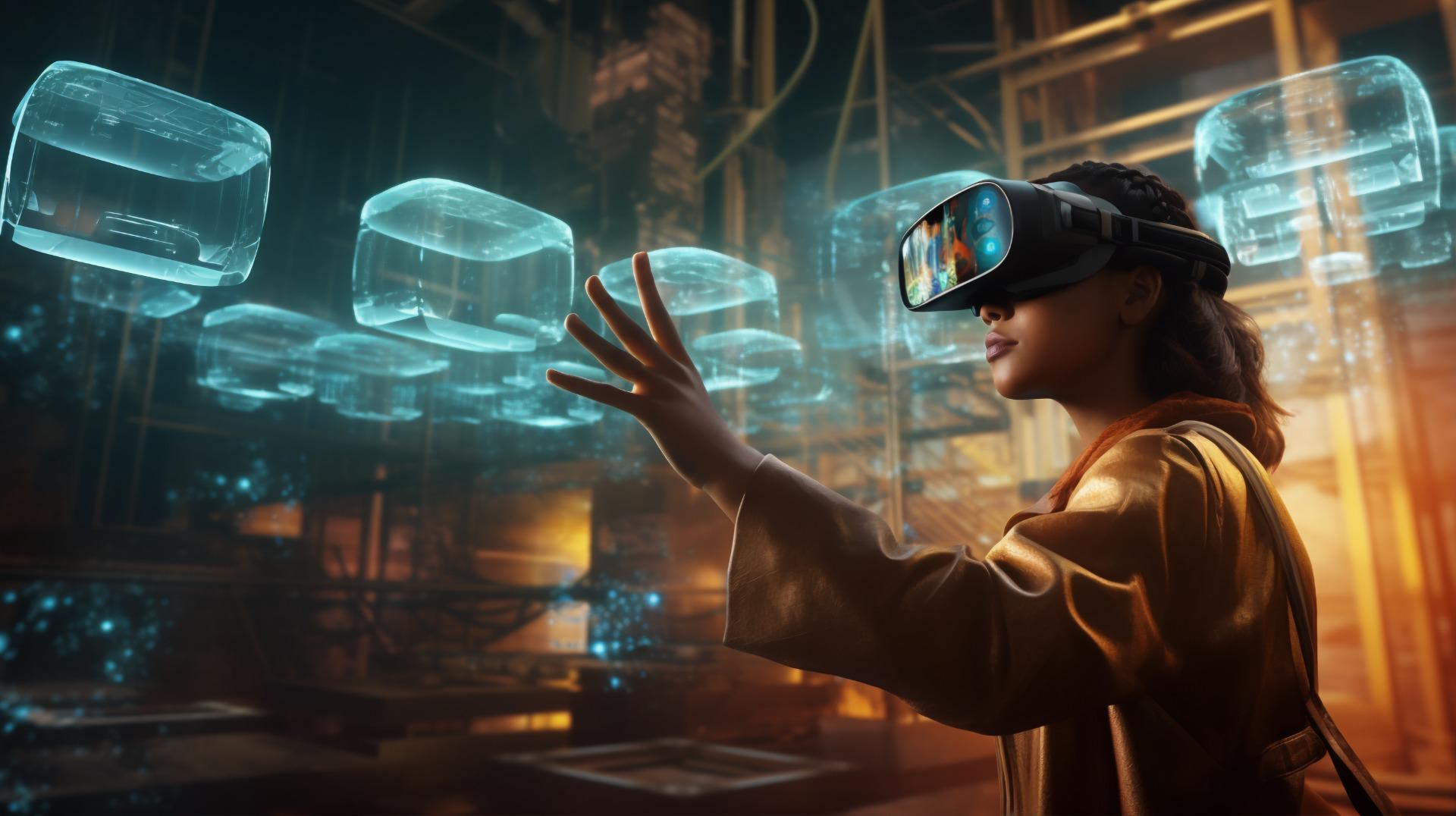
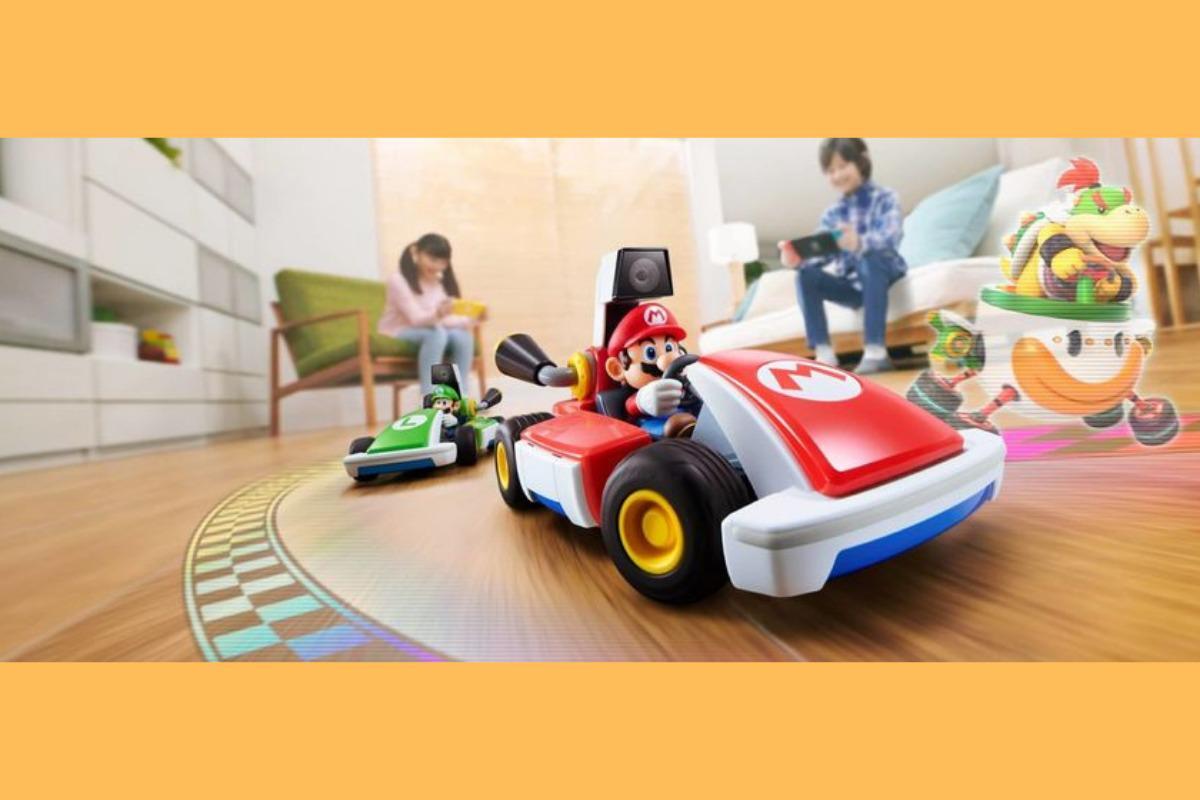
The Metaverse emphasizes an integrated and unified virtual world, becoming the best example of MR application.
The Metaverse is essentially an "immersive experience"! Within the concept of the Metaverse, beyond employing VR (Virtual Reality), it advocates for the importance of integration and unity. Therefore, AR (Augmented Reality) and advanced AI technologies are applied simultaneously. Today, we are enjoying a virtual world without boundaries, where all platforms, software, and games are consolidated into a single universe, truly realizing a "complete virtual world."
In addition to the Metaverse, MR can also be used for...
If the Metaverse feels too vast, looking back at the massive Nintendo Switch hit from a few years ago, Mario Kart Live: Home Circuit, provides a very successful example of MR. To play, users purchase the Switch console and an accessory (a physical kart) equipped with a hidden camera. This camera performs physical and route mapping of real-life spaces (AR technology), transforming your living room into a race track. Within one month of its release, sales reached 74,000 units. As of today in 2026, it has become the most renowned immersive reality game, proving that its influence is deeply rooted in our entertainment lives!
XR Extended Reality (Taste Experience) - Aerobanquets RMX
Can you actually taste food in a virtual world? XR brings an unprecedented sensory experience to your palate!
Inspired by the 1932 Italian book The Futurist Cookbook, artist Mattia Casalegno proposed the idea of "virtual dining" in 2018, officially launching the Aerobanquets RMX project. The goal is for diners to traverse between physical and virtual spaces, challenging the correlation between sight and taste. Although it is a highly experimental dining experience, it caused a sensation when it launched in China and South Korea in 2018. In 2020, it was featured by the renowned American luxury lifestyle site Robb Report, sparking yet another revolution in experiential design!
In addition to virtual dining, XR can also be used for...
The application and definition of XR are not strictly absolute; the term is primarily used to refer to the deep fusion of AR, VR, and MR technologies. Furthermore, the speed of technological progress is far beyond our imagination. We will continue to see more "R" technologies and experience designs that break the boundaries of our expectations!
Wide range of future applications: The key to winning in the Metaverse transition.
Whether it is AR, VR, or the hybrid technologies of MR and XR, they are undoubtedly developing at an even faster pace, seamlessly integrating into our lives before we even realize it. The much-discussed "Metaverse," which officially set sail following Meta CEO Mark Zuckerberg's announcement, has undergone continuous updates and transformations. Today, in 2026, these technologies have evolved so rapidly that they are fully embedded in our daily routines. The gateway to the Metaverse has shifted from mere virtual spaces toward a more practical era of "Spatial Computing" and "AI Wearables." However, the foundational technologies remain rooted in "R" technologies and 3D modeling expertise; as long as you master these two keys, you can stay connected to the "R" world.
To stay updated on the latest in AR, VR, MR, and XR, don't forget to subscribe to the "King One Design Newsletter"—never miss out on the latest interactive technology news and trends!

- 1
6 Different Types of Trade Show Booths You Need to Know
Brand Strategy
- 2
What is CIS? Corporate Identity Design that goes hand in hand with exhibition design
Tech Life & Trends
- 3
3D Logo - The Little Secret in Exhibition Design
Exclusive Perspective
- 4
What is the definition of Experiential Marketing? From 5 perspectives, you will get it!
Tech Life & Trends
- 5
Fly Your Own Airplane - AR Interactive Experience Activity with ANA Airlines
Digital Transformation
- 6
6 Steps to Make Your Own Instagram Filter!
Digital Transformation
Augmented Reality. AR adds virtual objects into a real-world environment and allows interaction with them through a screen.