





[Offline Brand Strategy] 4 Major Types of Exhibition Booths in the U.S.|Complete Guide to Island, Peninsula, Corner, and Inline Booths
Catalog
- Beyond Brand Exposure: Why Leading Companies Choose to Exhibit at US Trade Shows
- What Are the Real Challenges of Exhibiting at US Trade Shows?
- From 0 to Execution: Real-World Case Studies of US Trade Show Marketing
- Cross-Border Touring Exhibition: "Music, Island, Stories: Taiwan Pop Music Exhibition" by Taipei Music Center
- Empowered by Digital Technology: Elevating Booth Visuals and Interactive Experiences
- Understanding US Trade Shows: 4 Common Booth Types Explained
- Island Booth — Ideal for Tech Brands & Maximum Exposure
- Peninsula Booth — Ideal for Medium-to-Large Enterprises
- Corner Booth — Balancing Budget and Foot Traffic
- Inline Booth — Focused on Communication and Product Displays
- Conclusion: From Design to Execution, Creating a Successful US Trade Show Experience
Beyond Brand Exposure: Why Leading Companies Choose to Exhibit at US Trade Shows
For many enterprises looking to build a global footprint, entering the US trade show scene represents a pivotal milestone in international business expansion.
With a population of approximately 340 million, the United States is not only the world’s third-most populous nation but also an unrivaled global consumer market powerhouse. These dynamics make the US a primary, strategic target for brands aiming to scale their overseas market share.
Therefore, investing in a US exhibition is far more than a simple exercise in brand visibility. It serves as a critical, high-impact gateway to plugging into the global supply chain and engaging directly with premium international buyers.
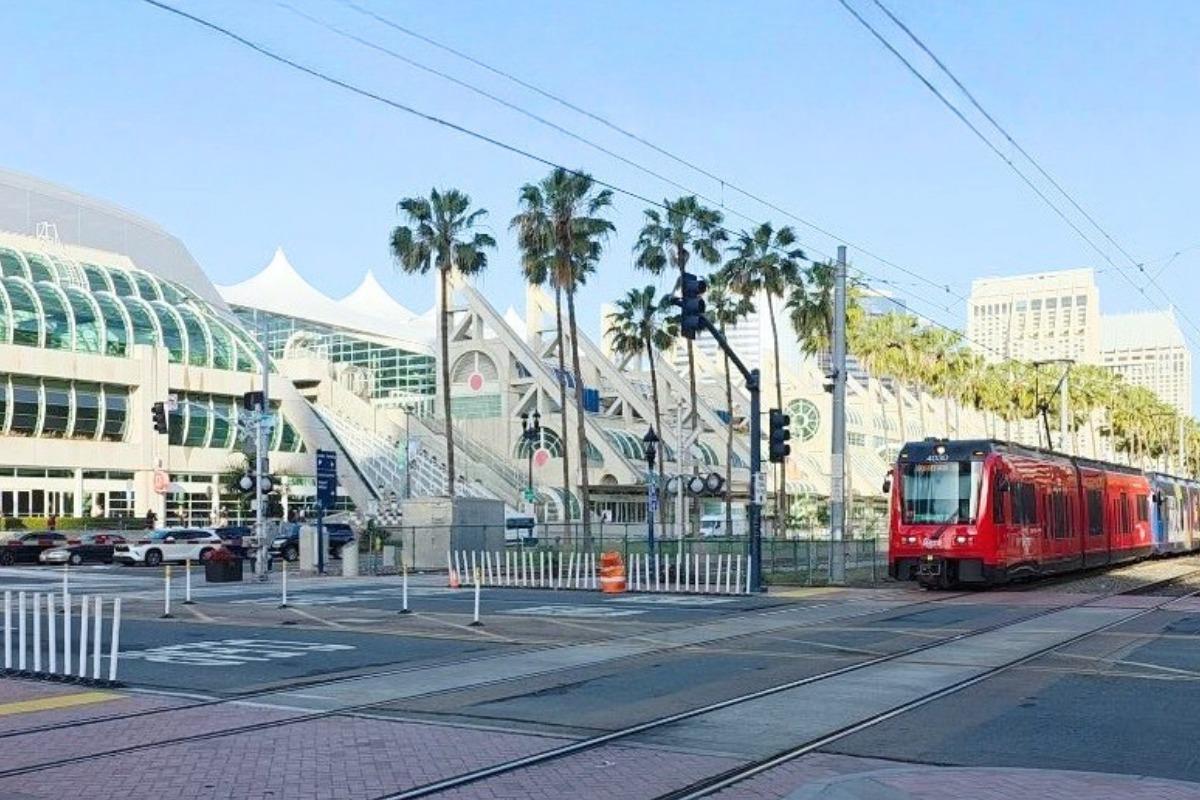
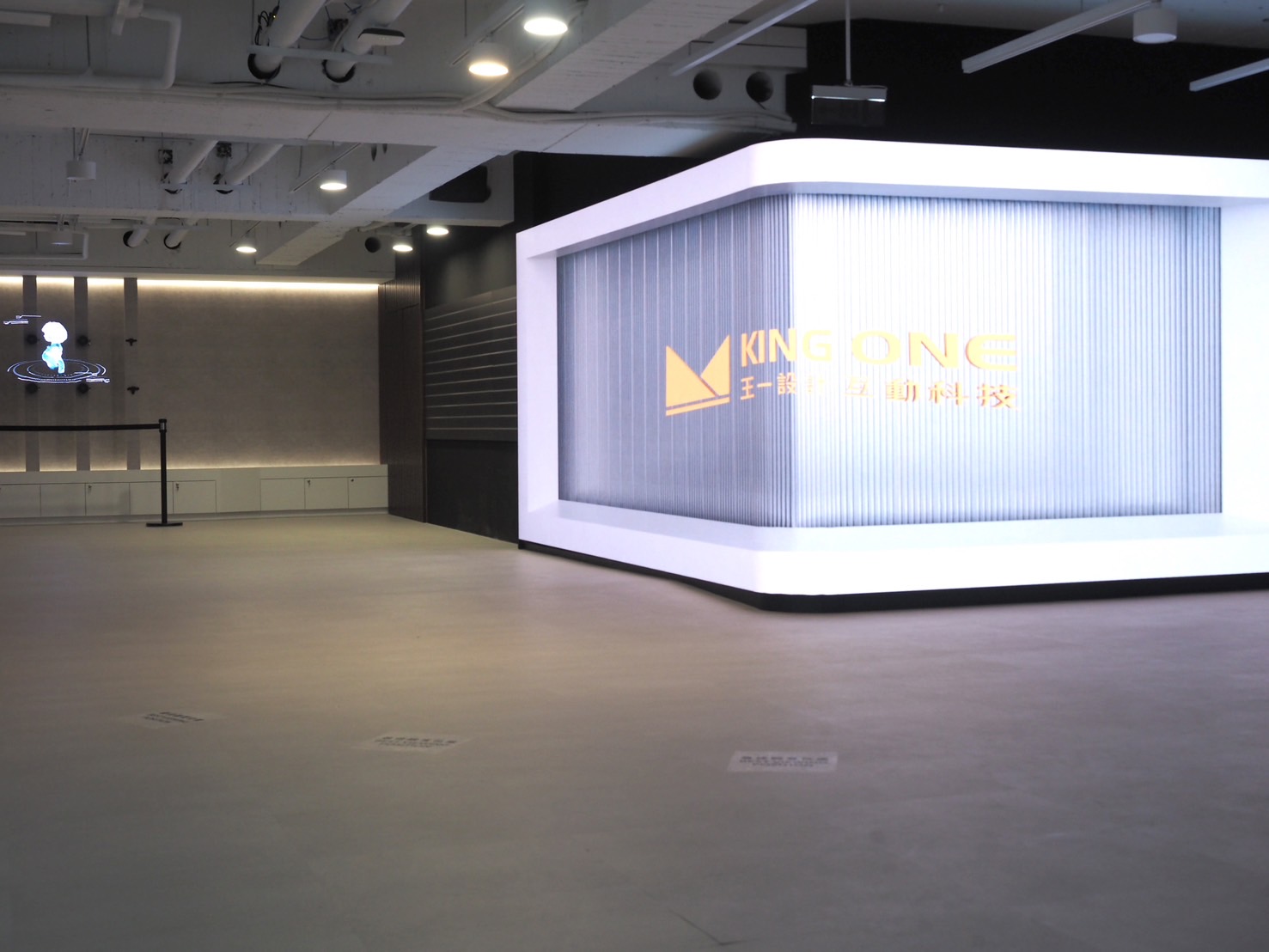
Image Source:Kingone Design
3 Strategic Advantages
1.Accelerate Market Expansion
Connect directly with North American and international buyers, shorten sales cycles, and drive efficient lead generation.
2.Elevate Brand Authority
Showcase at flagship global events to boost international visibility, build market trust, and reinforce corporate identity.
3.Gather Market Intelligence
Analyze competitor dynamics and tech trends to grasp market pulses and guide future strategic directions.
"Trade show marketing isn't just about immediate deals; it’s about positioning your brand for the next phase of global expansion."
The US market offers massive opportunities, but with a higher barrier to entry. The region operates under unique rules: strict fire safety and egress codes, complex union labor regulations, and imperial booth specifications that differ entirely from Asian systems. Without hands-on experience, exhibitors easily face budget overruns or installation delays.
Success goes beyond beautiful exhibition design. It is an integrated operation requiring rigorous pre-show planning, regulatory compliance, and flawless execution. Let's break down the essential logistical details to help you mitigate risks and turn brand exposure into tangible business opportunities.
What Are the Real Challenges of Exhibiting at US Trade Shows?
Many enterprises with extensive experience in Asian trade shows assume that exhibiting in the US is simply a matter of changing venues. However, from regulatory compliance to on-site execution, the US exhibition landscape operates under a completely different set of rules. According to UFI (The Global Association of the Exhibition Industry), North America is one of the most mature exhibition markets globally, maintaining high standards for venue safety, construction workflows, and service protocols. Overseas enterprises relying on Asian operational habits often face increased costs and execution risks.
Stringent Regulations and Safety Standards
U.S. exhibition venues strictly enforce regulations on fire safety (NFPA), electrical setup, and accessibility (ADA). Furthermore, most venues strictly follow the spatial design guidelines set by the International Association of Exhibitions and Events (IAEE). Beyond aesthetic design, booths must strictly comply with height and setback restrictions, such as the "Line-of-Sight" or "Cubic Content" rules. If backwalls are left unfinished or exceed permissible limits, exhibitors may be required to make on-site modifications or even fail final inspection.
The Impact of Union Labor on Construction and Costs
Most major US convention centers operate under strict union labor systems. Specialized tasks—including carpentry, electrical setups, rigging, and drayage (material handling)—must be executed exclusively by authorized union workers. According to trade show industry data, navigating union regulations is one of the most common operational variances international exhibitors face. Consequently, labor scheduling and workforce costs must be planned during the initial project phase.
Discrepancies in Venue Specifications
US trade shows rely entirely on imperial measurements, utilizing modular aluminum frames and tension fabric systems. Because construction methods and material regulations differ drastically from Asian systems, booth designs must be re-engineered to meet local North American standards rather than directly recycling past Asian layouts.
High-Value Audiences Demand Flawless Project Management
According to research by CEIR (Center for Exhibition Industry Research), approximately 81% of US trade show attendees possess purchasing decision-making authority, and over 70% look for new suppliers. To convert high overseas exhibition investments into tangible business opportunities, enterprises must implement meticulous booth planning and strict event project management.
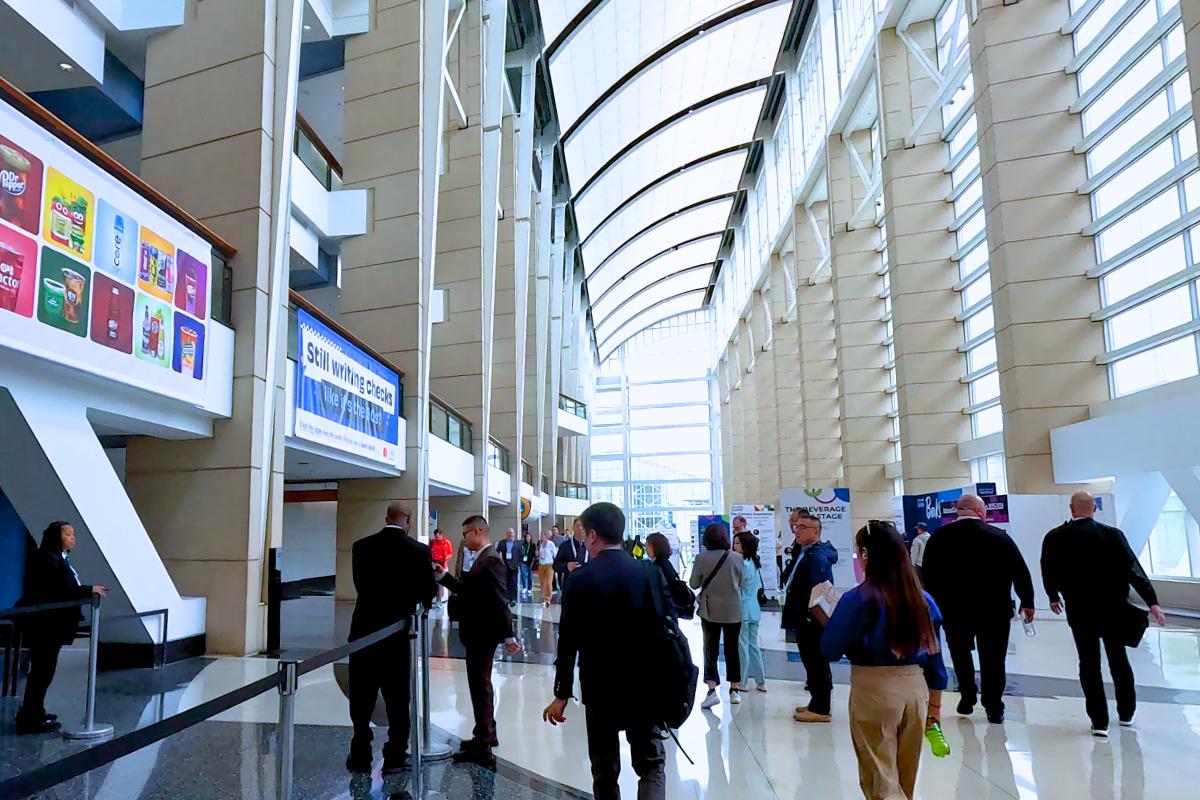
Image Source:Kingone Design
From 0 to Execution: Real-World Case Studies of US Trade Show Marketing
At this point, does the entire process feel a bit overwhelming?
From communications and on-site booth construction to logistics and regulatory compliance, every phase of exhibiting in the US is far more complex than it appears. To eliminate these operational pain points, King One Design has established a comprehensive, turnkey exhibition service.
Our professional team oversees everything from initial exhibition design and manufacturing to overseas project management and on-site execution. Leveraging our overseas offices and trusted local construction crews, we guarantee strict quality control and reliable project timelines—allowing your enterprise to focus entirely on driving business results.
Cross-Border Touring Exhibition: "Music, Island, Stories: Taiwan Pop Music Exhibition" by Taipei Music Center
We proudly assisted the Taipei Music Center (TMC) in transplanting "Music, Island, Stories: Taiwan Pop Music Exhibition" from Taiwan to the University of Washington in Seattle, USA.
Our team managed the complex exhibition logistics and professional artifact handling for over 50 priceless historical exhibits and musical instruments. From international cross-border freight to secure on-site exhibition installation, we ensured every detail met rigorous archival standards, successfully bringing Taiwan’s vibrant music culture to Washington for a deep and impactful cultural exchange.
The greatest challenge of this project lay in the nature of the exhibits, which consisted primarily of highly fragile musical instruments and oversized artifacts. Requiring long-distance, cross-border transport and precise on-site reconstruction, the project demanded the highest standards for both transit safety and exhibition installation precision.
To mitigate these risks, we implemented professional, museum-grade packaging and meticulous exhibition logistics planning to ensure all artifacts arrived in pristine condition. Furthermore, our team flexibly optimized the visitor flow based on the specific venue constraints of the university, perfectly reproducing the core curatorial vision while ensuring a seamless, immersive experience.
Empowered by Digital Technology: Elevating Booth Visuals and Interactive Experiences
Beyond our overseas offices and professional construction teams, what sets us apart from other design agencies is our ability to deliver a comprehensive, turnkey digital integration for trade show booths. We seamlessly blend advanced visual and interactive technologies—including naked-eye 3D displays, interactive projection mapping touch walls, and integrated LED ceiling and pillar systems. Backed by nearly 15 years of deep expertise in exhibition design, we ensure your booth is not only highly recognizable but instantly captivates the attention of the trade show crowd.
By fusing professional booth design with these cutting-edge tech elements, we evolve traditional, static displays into deep, immersive brand experiences. This dynamic approach significantly strengthens brand recall, amplifies on-site attendee engagement, and transforms every exhibition into a highly effective channel for strategic brand communication.
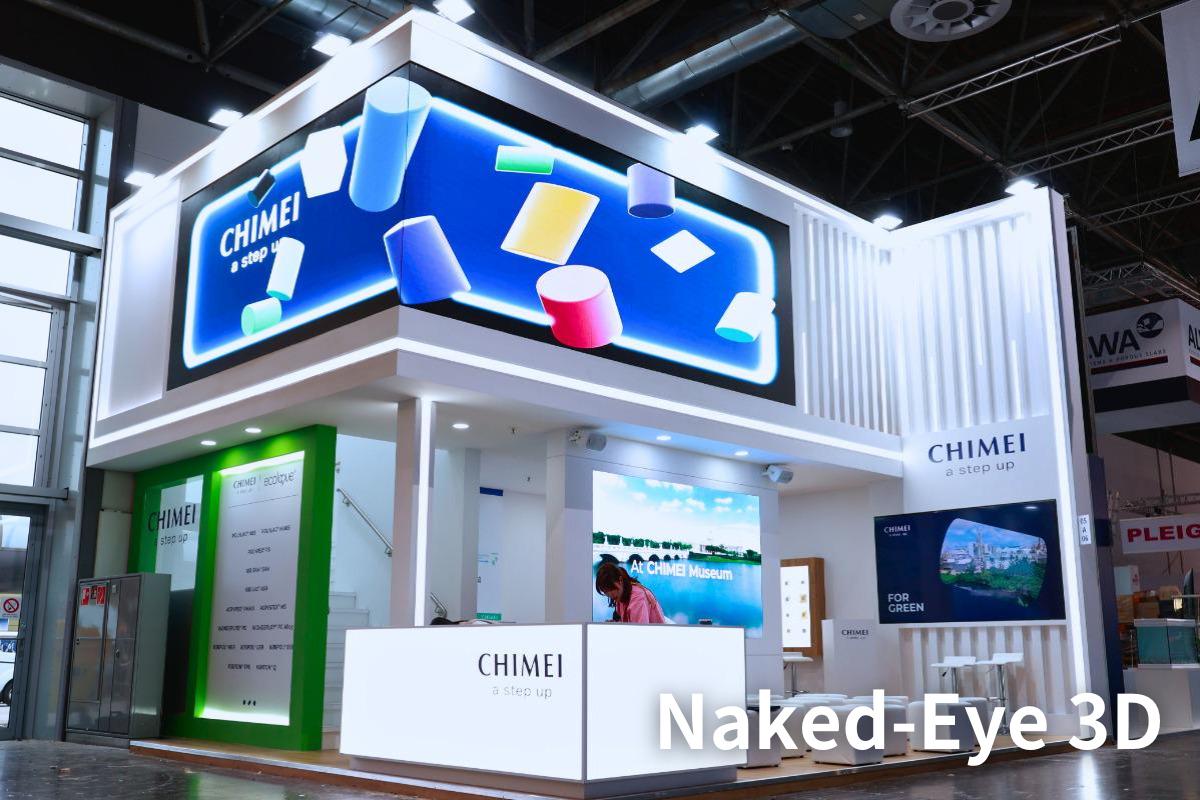
Image Source:Kingone Design
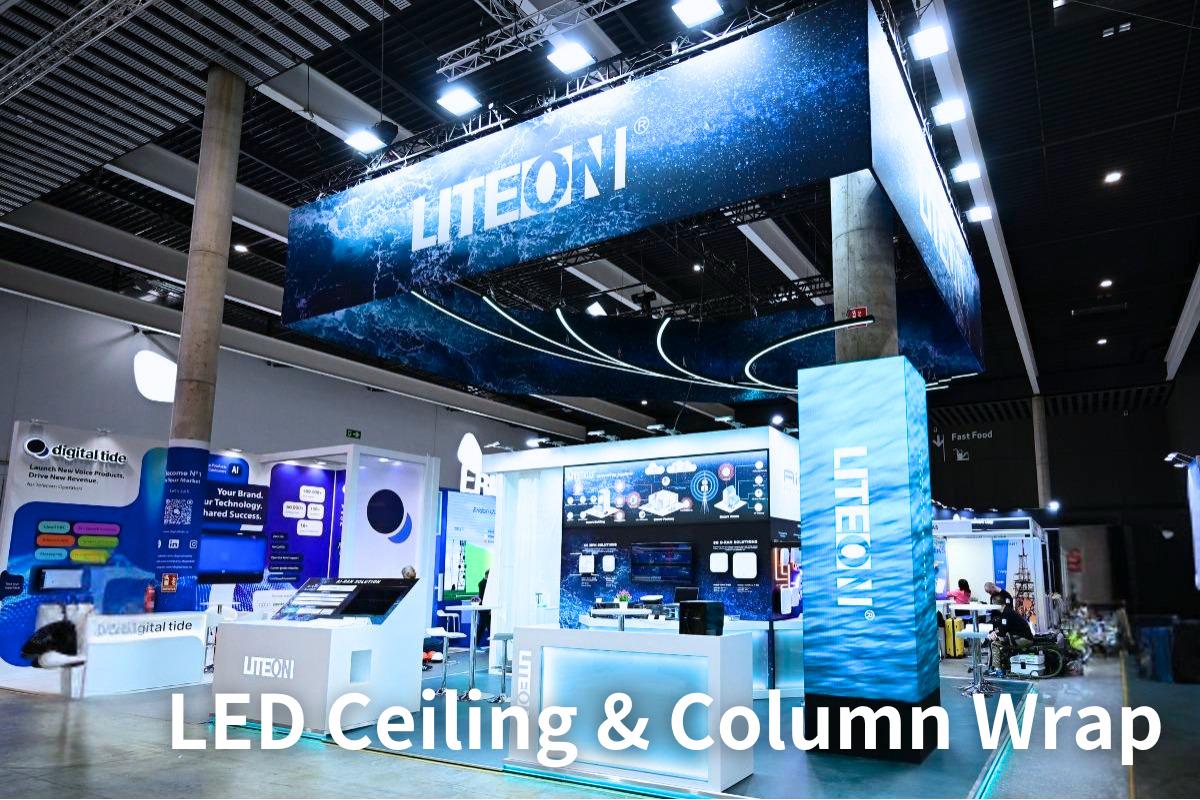
Image Source:Kingone Design
Understanding US Trade Shows: 4 Common Booth Types Explained
Finally, let’s explore the most common booth types utilized across major US trade shows.
Depending on your industry, the ideal booth configuration varies drastically. Every structural element—from the number of open sides and attendee traffic flow to interactive touchpoints—directly impacts your overseas lead conversion.
It is crucial to note that US show organizers strictly enforce line-of-sight regulations. Unlike layouts in other regions, North American venues generally prohibit solid, full-height side walls that block the visibility of neighboring exhibitors. As a result, professional exhibition design in the US prioritizes open-concept layouts and high visual transparency to maximize floor visibility.
Island Booth — Ideal for Tech Brands & Maximum Exposure
Representative Trade Shows: CES (Consumer Electronics Show), Satellite (Global Satellite Connectivity Show)
Booth Features: Four sides open to aisles, maximizing 360-degree foot traffic and high-volume visitor flow advantages.
Design Focus: Frequently paired with large LED screens, naked-eye 3D displays, and interactive installations to create immersive experiential spaces. Utilizing modular aluminum frames, tension fabrics, or semi-translucent materials is recommended to clearly define exhibit zones while maintaining an open-concept feel.
➡ Ideal for: Tech industries seeking high brand visibility and buzzy market engagement.
Peninsula Booth — Ideal for Medium-to-Large Enterprises
Representative Trade Shows: NRA (National Restaurant Association Show), NRF (National Retail Federation Retail's Big Show)
Booth Features: Three sides open to aisles, creating a powerful, focused brand visual statement.
Design Focus: Utilizing hanging signs (rigging points) to elevate vertical visibility, allowing long-distance attendees to quickly identify the brand and boosting traffic-driving efficiency.
➡ Ideal for: Enterprises that require a balance of brand showcase and hands-on, physical interactions.
Corner Booth — Balancing Budget and Foot Traffic
Representative Trade Shows: NRF (National Retail Federation Retail's Big Show)
Booth Features: Offers higher exposure and traffic-driving efficiency than a standard inline booth, providing excellent cost-effectiveness (high ROI).
Design Focus: Requires reinforcing a dual-perspective layout to ensure the brand's main visuals and core products are clearly visible from both intersecting aisles.
➡ Ideal for: Businesses focused on balancing marketing costs with optimal brand exposure.
Inline Booth — Focused on Communication and Product Displays
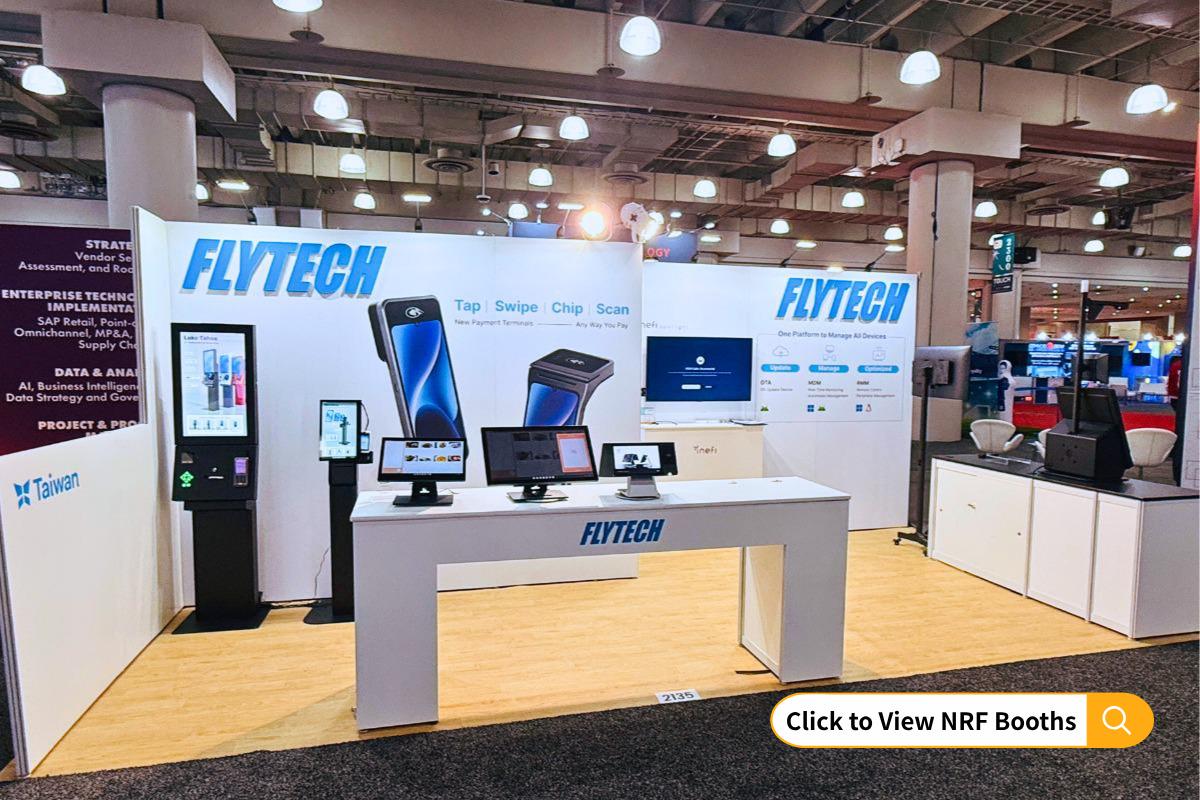
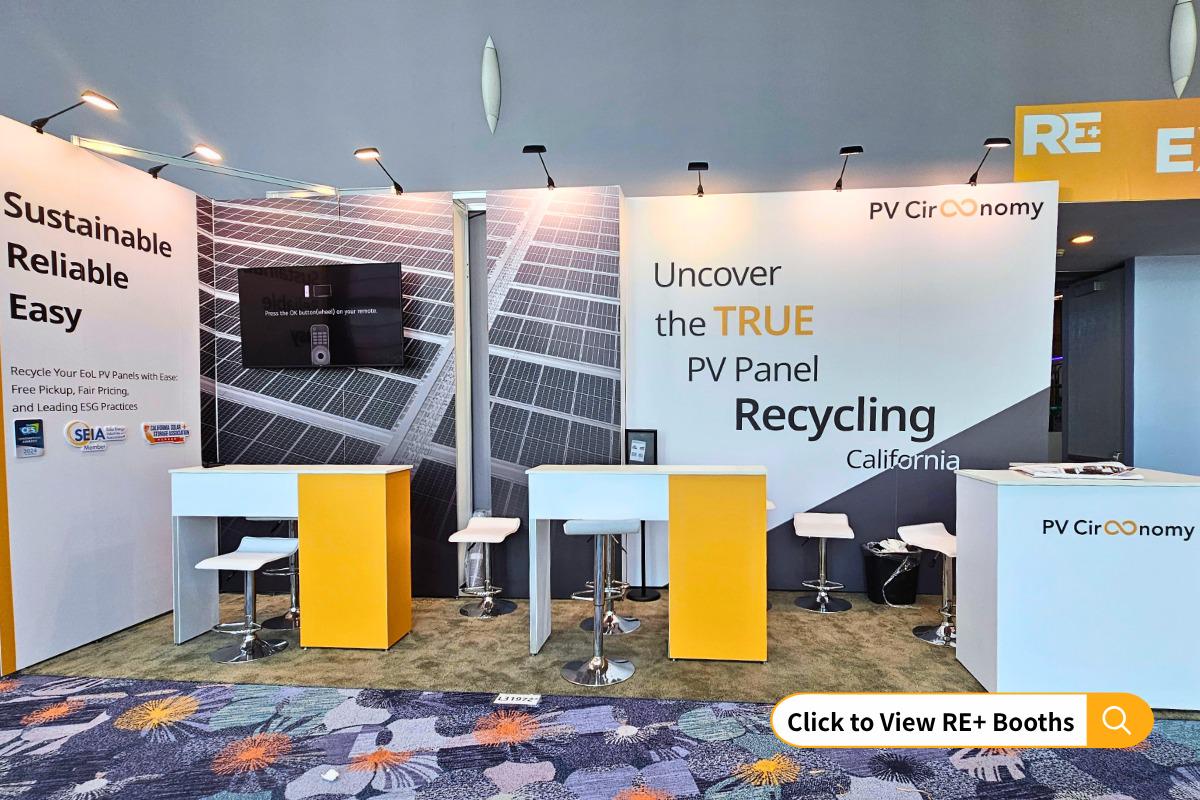
Representative Trade Shows: RE+ (Renewable Energy Plus / Solar Power International & EES)
Booth Features: Three sides closed, with the back wall serving as the primary display area, making it ideal for information-dense presentations.
Design Focus: Key information and text should be positioned at a height of approximately 180 cm (approx. 6 feet) or higher to prevent obstruction by crowds and ensure maximum visibility.
➡ Ideal for: Industries focused on in-depth B2B communication and professional product/technical showcases.
Conclusion: From Design to Execution, Creating a Successful US Trade Show Experience
Venturing to the US for an exhibition is more than just obtaining market exposure—it is a critical milestone for a brand expanding into the international arena. From initial design strategies to on-site execution, every single detail can directly impact the final event ROI.
Exhibiting has never been as simple as merely "renting a booth space"; rather, it is a physical extension and manifestation of a brand's core spirit and values. With rich experience in overseas curation, King One Design combines the strengths of our international offices and professional on-site labor crews. Backed by a deep understanding of US exhibition regulations and operational workflows, we help enterprises effectively avoid potential regulatory pitfalls to create display spaces that balance visual appeal with commercial profitability—ensuring every overseas exhibition successfully translates into tangible business results.
- 1
6 Different Types of Trade Show Booths You Need to Know
Brand Strategy
- 2
What is CIS? Corporate Identity Design that goes hand in hand with exhibition design
Tech Life & Trends
- 3
6 Steps to Make Your Own Instagram Filter!
Digital Transformation
- 4
3D Logo - The Little Secret in Exhibition Design
Exclusive Perspective
- 5
Fly Your Own Airplane - AR Interactive Experience Activity with ANA Airlines
Digital Transformation
- 6
What is the definition of Experiential Marketing? From 5 perspectives, you will get it!
Tech Life & Trends